THE ADVENTURE COLLECTIVE® · Independent discovery and booking for outdoor travel

Stand on a glacier ridge beneath Ausangate on a compact 2-day guided climb from Pacchanta. This itinerary pairs two nights of alpine camping and a pre-dawn summit push to 5,520 m—ideal for fit hikers who want a high-altitude, guided mountaineering introduction.
Stand on a glacier ridge beneath Ausangate on a compact 2-day guided climb from Pacchanta. This itinerary pairs two nights of alpine camping and a pre-dawn summit push to 5,520 m—ideal for fit hikers who want a high-altitude, guided mountaineering introduction.
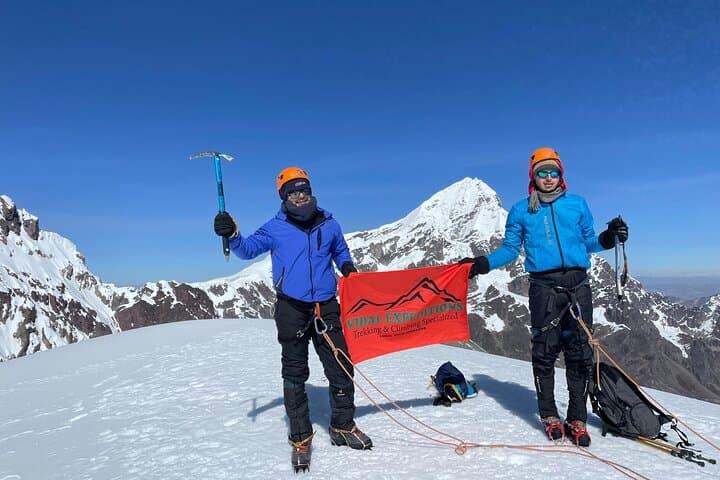
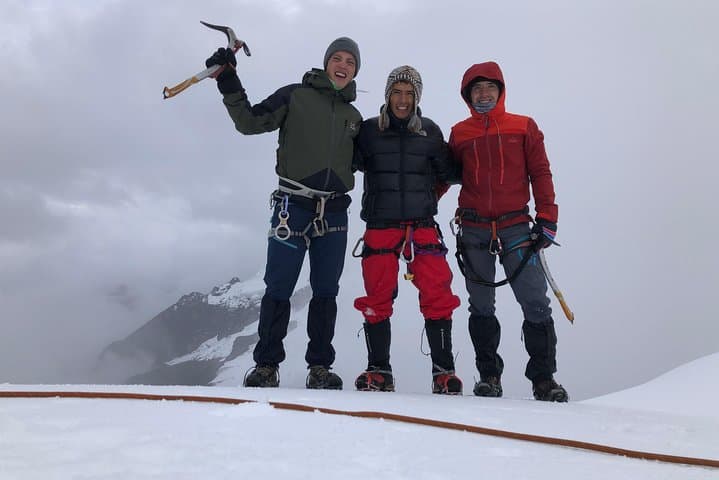
At 2:30 a.m. a headlamp line threads up a cold moraine under the stars; the glacier ahead gleams like a carved river pushing you higher. By dawn the horizon opens—ridges of ice and rock point toward Ausangate’s massive profile while wind carves sharp shadows across the snow.
Verified experiences and guided adventures in the surrounding area.
Operated by Vidal Expeditions · Pacchanta, Cusco
At 2:30 a.m. a headlamp line threads up a cold moraine under the stars; the glacier ahead gleams like a carved river pushing you higher. By dawn the horizon opens—ridges of ice and rock point toward Ausangate’s massive profile while wind carves sharp shadows across the snow.
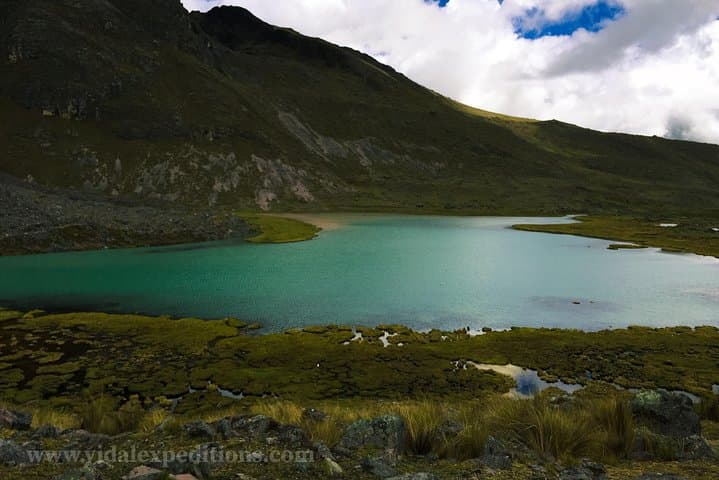
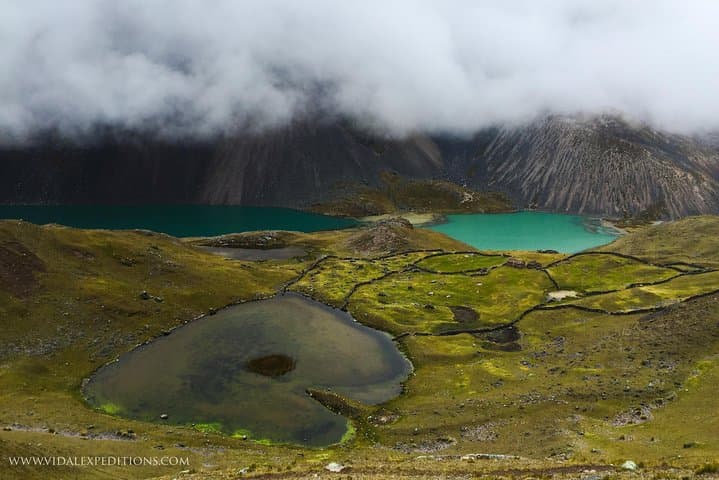
Qampa is one of the more accessible high summits in the Cusco region: a 2-day guided climb that starts from Pacchanta village and moves through high Andean valleys, past Azulccocha lake, onto a 4,680 m base camp and a 5,520 m summit. The route crosses moraine, glacier ice and short steeper steps that may require pegged crampons and fixed-line technique in sections depending on conditions.
Geology here is raw: uplifted Jurassic and Tertiary strata have been sliced by glacial action, leaving polished cirques and erratics. Culturally the region remains Quechua-speaking, with pastoral alpaca and religious mountain offerings (apachetas) that reflect a long history of mountain reverence.
Expect thin air and cold nights; guides supply technical gear and tents. The climb is suitable for fit hikers with no prior technical experience if they join a guided group, but altitude acclimatization is essential. Plan for early starts, short but intensive climbing windows, and a firm descent that can fatigue knees.
Practical tips: prioritize hydration, layered insulation, and break-in crampons. Time your visit in the dry season (May–September) for more stable ice and clearer summit views. After the route, reward yourself with a soak at Pacchanta hot springs while watching Ausangate push the sky back.
challenging.
2 days (approx. 48 hours).
Good aerobic fitness and prior high-altitude hiking experience or prior acclimatization; able to hike 4–6 hours at high elevation.
No formal experience is required if you join a guided trip; guides instruct on crampon use and short rope sections, but you should be comfortable on steep, icy terrain.
The summit reaches 5,520 m—altitude is the main challenge; proper acclimatization, hydration, and pacing are essential.
Yes—guides typically supply tents, ropes, and communal technical equipment; verify whether personal items like crampons are included in your booking.
The dry season (May–September) offers more stable weather and clearer views; heavy snowfall and unstable glacier conditions are more likely during the wet season (Nov–Mar).
Local Quechua communities have used these high passes for pastoralism and ritual offerings for centuries; the mountains play a central role in Andean cosmology.
High Andean puna is fragile—stick to established trails, pack out waste, and support local guiding services that contribute to community conservation.
Vidal Expeditions operates guided outdoor trips and adventures with an emphasis on safety, stewardship, and memorable experiences.
At 2:30 a.m. a headlamp line threads up a cold moraine under the stars; the glacier ahead gleams like a carved river pushing you higher. By dawn the horizon opens—ridges of ice and rock point toward Ausangate’s massive profile while wind carves sharp shadows across the snow.
At 2:30 a.m. a headlamp line threads up a cold moraine under the stars; the glacier ahead gleams like a carved river pushing you higher. By dawn the horizon opens—ridges of ice and rock point toward Ausangate’s massive profile while wind carves sharp shadows across the snow.
Qampa is one of the more accessible high summits in the Cusco region: a 2-day guided climb that starts from Pacchanta village and moves through high Andean valleys, past Azulccocha lake, onto a 4,680 m base camp and a 5,520 m summit. The route crosses moraine, glacier ice and short steeper steps that may require pegged crampons and fixed-line technique in sections depending on conditions.
Geology here is raw: uplifted Jurassic and Tertiary strata have been sliced by glacial action, leaving polished cirques and erratics. Culturally the region remains Quechua-speaking, with pastoral alpaca and religious mountain offerings (apachetas) that reflect a long history of mountain reverence.
Expect thin air and cold nights; guides supply technical gear and tents. The climb is suitable for fit hikers with no prior technical experience if they join a guided group, but altitude acclimatization is essential. Plan for early starts, short but intensive climbing windows, and a firm descent that can fatigue knees.
Practical tips: prioritize hydration, layered insulation, and break-in crampons. Time your visit in the dry season (May–September) for more stable ice and clearer summit views. After the route, reward yourself with a soak at Pacchanta hot springs while watching Ausangate push the sky back.