THE ADVENTURE COLLECTIVE® · Independent discovery and booking for outdoor travel

Spend a day tracing Lebanon’s oldest monastic routes and stand among the ancient Cedars of God. This small-group tour combines short hikes, cultural stops in Bcharre, and guided access to dramatic valley viewpoints.
Spend a day tracing Lebanon’s oldest monastic routes and stand among the ancient Cedars of God. This small-group tour combines short hikes, cultural stops in Bcharre, and guided access to dramatic valley viewpoints.
A morning bus winds out of Beirut and climbs into cedar-scrubbed slopes; by the time the valley opens, limestone cliffs have taken on the color of old parchment and caves peer back like shuttered rooms. The tour moves at a measured pace—short walks at monasteries, a focused stop at the Gibran Museum in Bcharre, and a held breath in the grove of the Cedars of God.
Verified experiences and guided adventures in the surrounding area.
Operated by Lebanon Tours · Bcharre, North Governorate
A morning bus winds out of Beirut and climbs into cedar-scrubbed slopes; by the time the valley opens, limestone cliffs have taken on the color of old parchment and caves peer back like shuttered rooms. The tour moves at a measured pace—short walks at monasteries, a focused stop at the Gibran Museum in Bcharre, and a held breath in the grove of the Cedars of God.
This corridor of the Qadisha Valley holds some of Christianity’s earliest monastic sites carved into steep karst walls and terraced farmland. Geologically, the valley is a deep incision in Lebanon’s limestone range—streams have cut narrow gorges and left sheer cliffs where hermits and monks found refuge. Culturally, Bcharre is where Khalil Gibran was born; his museum anchors the town’s artistic legacy. The Cedars, at roughly 1,800–1,900 m, are living relics cited in ancient texts and etched into Lebanon’s flag.
Practical guidance: expect a 9-hour day with most transport by air-conditioned vehicle and multiple short on-foot visits—plan for 30–45 minute walks at sites and a few stairs at monasteries (Monastery of Saint Anthony sits near 950 m). Wear sturdy shoes for uneven stone and bring layers for temperature swings between valley floor and cedar plateau. Carry water, sun protection, and small local currency for modest entrance fees or purchases. Respect religious sites: photography rules and modest dress often apply. For photographers, early light flatters the cedars and canyon walls; for hikers, use the tour as an accessible introduction to longer treks in the Qadisha system.
moderate.
9 hours.
Suitable for travelers in average fitness; mostly vehicle-based with brief on-foot sections and some stairs.
The tour is approximately 9 hours and typically includes hotel pick-up/drop-off from Beirut, air-conditioned transport, a guide, lunch, and admission to listed museum and cedar reserve sites when indicated.
The tour is family-friendly but involves short walks and some stairs at sites; those with limited mobility should check specific accessibility needs with the operator ahead of booking.
Admission to the Gibran Museum and the Cedar Reserve is listed as included for this tour; bring small local currency for incidental purchases.
This is a sightseeing-focused itinerary with short site walks; independent or specialized hiking in Qadisha requires more time, local guides, and appropriate gear.
Qadisha has been a refuge for Christian monasticism since late antiquity; many hermitages and monasteries date back to the early centuries of Christianity.
The Cedars of God is a protected reserve with active restoration and replanting programs; visitors should stick to designated paths and avoid disturbing saplings.
Lebanon Tours operates guided outdoor trips and adventures with an emphasis on safety, stewardship, and memorable experiences.
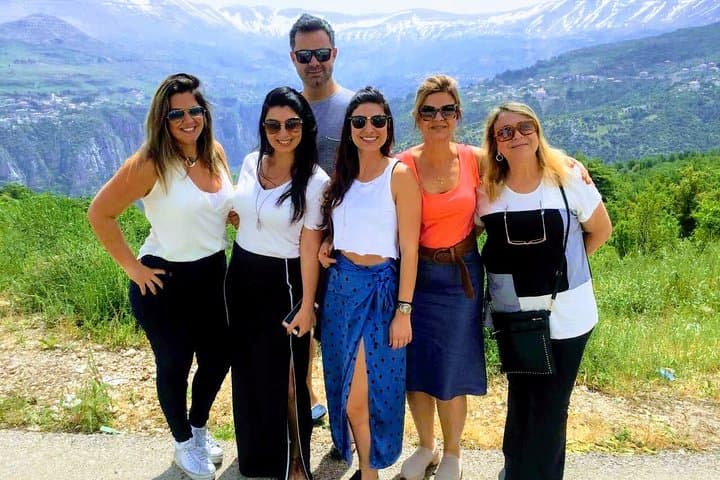
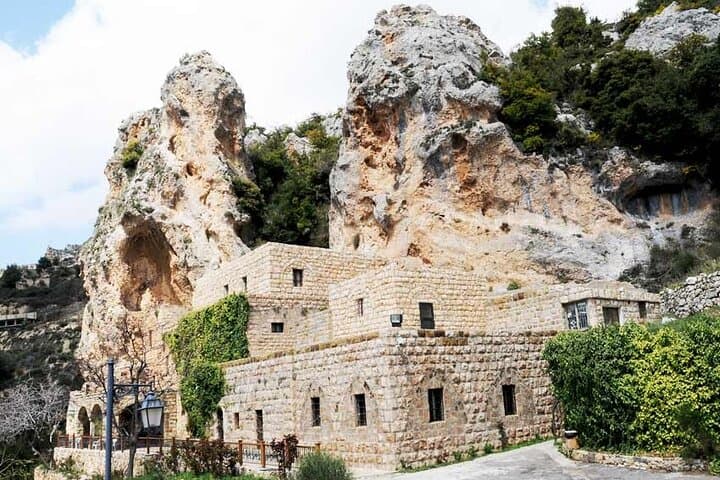
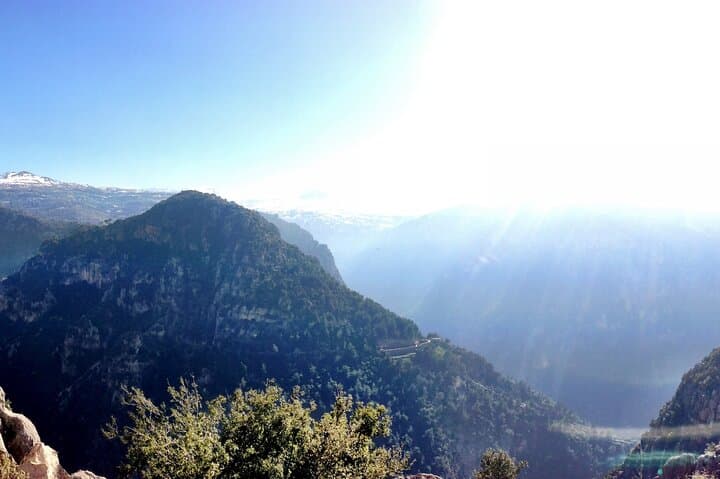
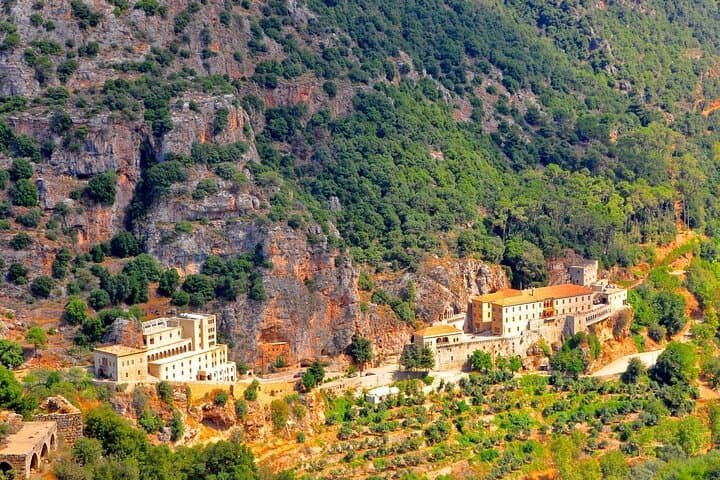
A morning bus winds out of Beirut and climbs into cedar-scrubbed slopes; by the time the valley opens, limestone cliffs have taken on the color of old parchment and caves peer back like shuttered rooms. The tour moves at a measured pace—short walks at monasteries, a focused stop at the Gibran Museum in Bcharre, and a held breath in the grove of the Cedars of God.
A morning bus winds out of Beirut and climbs into cedar-scrubbed slopes; by the time the valley opens, limestone cliffs have taken on the color of old parchment and caves peer back like shuttered rooms. The tour moves at a measured pace—short walks at monasteries, a focused stop at the Gibran Museum in Bcharre, and a held breath in the grove of the Cedars of God.
This corridor of the Qadisha Valley holds some of Christianity’s earliest monastic sites carved into steep karst walls and terraced farmland. Geologically, the valley is a deep incision in Lebanon’s limestone range—streams have cut narrow gorges and left sheer cliffs where hermits and monks found refuge. Culturally, Bcharre is where Khalil Gibran was born; his museum anchors the town’s artistic legacy. The Cedars, at roughly 1,800–1,900 m, are living relics cited in ancient texts and etched into Lebanon’s flag.
Practical guidance: expect a 9-hour day with most transport by air-conditioned vehicle and multiple short on-foot visits—plan for 30–45 minute walks at sites and a few stairs at monasteries (Monastery of Saint Anthony sits near 950 m). Wear sturdy shoes for uneven stone and bring layers for temperature swings between valley floor and cedar plateau. Carry water, sun protection, and small local currency for modest entrance fees or purchases. Respect religious sites: photography rules and modest dress often apply. For photographers, early light flatters the cedars and canyon walls; for hikers, use the tour as an accessible introduction to longer treks in the Qadisha system.