THE ADVENTURE COLLECTIVE® · Independent discovery and booking for outdoor travel

Drive into the high ridges of Mount Lebanon for a full day among ancient monasteries, the Gibran Museum in Bcharre and the last stands of the Cedars of God. This one-day tour blends geology, cultural history and easy mountain walks.
Drive into the high ridges of Mount Lebanon for a full day among ancient monasteries, the Gibran Museum in Bcharre and the last stands of the Cedars of God. This one-day tour blends geology, cultural history and easy mountain walks.
You step off the highway into thin, cold mountain air and the road plunges along the lip of Qadisha Valley, cliffs dropping like pages of history. Pines and terraced orchards thread the slopes; monastery bell towers punctuate the ridgeline. The day tour moves deliberately — a drive through Mount Lebanon, a walk among ancient cedars, a museum visit in Bcharre, and a quiet moment at the Monastery of Saint Anthony in Kozhaya.
Verified experiences and guided adventures in the surrounding area.
Operated by Beirut Daily Tours · Bcharre, North Governorate
You step off the highway into thin, cold mountain air and the road plunges along the lip of Qadisha Valley, cliffs dropping like pages of history. Pines and terraced orchards thread the slopes; monastery bell towers punctuate the ridgeline. The day tour moves deliberately — a drive through Mount Lebanon, a walk among ancient cedars, a museum visit in Bcharre, and a quiet moment at the Monastery of Saint Anthony in Kozhaya.
Qadisha Valley holds one of Christianity’s oldest monastic landscapes, where hermitages and cliff cavities sheltered ascetics from the fourth century onward. Geologically, the valley is carved from limestone and marl; water and time created steep gorges and sheltered grottos. Bcharre is both a cultural hub — birthplace of Kahlil Gibran — and a gateway to high-elevation cedar stands that once supplied timber to empires and now survive as symbolic relics of Lebanon’s natural heritage.
Expect easy to moderate walking: short trails and boardwalks around the cedars, cobbled village lanes in Bcharre, and steps at monasteries. Weather changes quickly at elevation — sun becomes wind becomes drizzle — so layer. Photography is constant: close-ups of gnarled cedar boles, panoramic views down the valley, and intimate monastery chapels. Practicalities: total tour time is about nine hours with hotel pickup in Beirut, light walking shoes are sufficient, and most stops include short guided explanations. Bring water, a wind layer, and a charged phone for steep-road stretches. Pace yourself — the route trades adrenaline for an immersive, historically rich landscape that rewards slow attention.
easy.
9 hours.
Suitable for most fitness levels; involves short stretches of walking and stairs but no technical hikes.
The full day tour runs about nine hours and normally includes hotel pickup and drop-off in Beirut.
No technical hikes — expect short, moderate walks around the cedars and monasteries; most stops are accessible with short stair sections.
Museum access may be included depending on the operator; confirm at booking and allow time for the museum visit in Bcharre.
Yes; the itinerary is labeled easy with short walks, but mobility limitations with steps or long stands should be discussed in advance for tailored pickup/drop-off.
Qadisha Valley hosted monastic communities from the early Christian era; cliff hermitages and centuries-old monasteries reflect continuous religious life and refuge.
The Cedars of God is a protected reserve and visitor traffic is managed to protect ancient trees; stick to marked paths and avoid touching old wood to minimize impact.
Beirut Daily Tours operates guided outdoor trips and adventures with an emphasis on safety, stewardship, and memorable experiences.
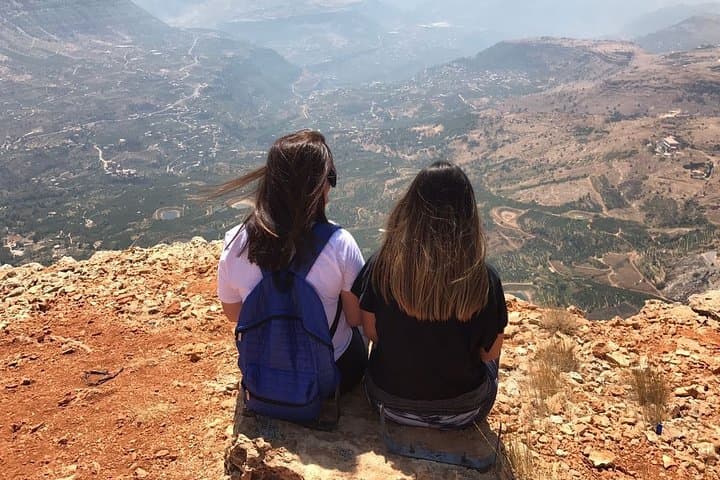
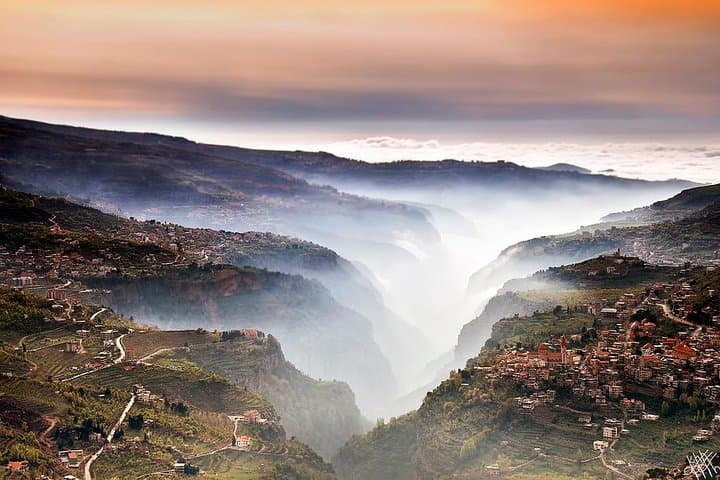
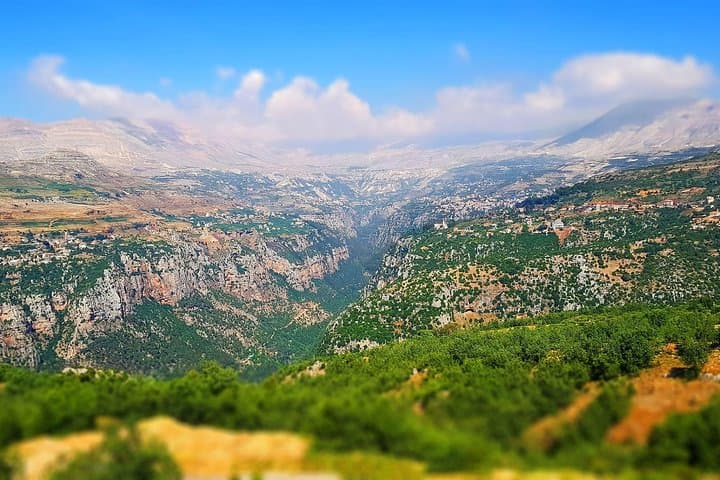
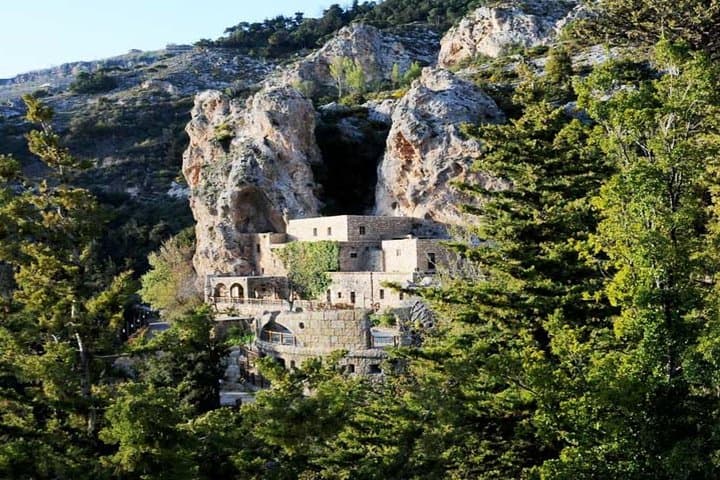
You step off the highway into thin, cold mountain air and the road plunges along the lip of Qadisha Valley, cliffs dropping like pages of history. Pines and terraced orchards thread the slopes; monastery bell towers punctuate the ridgeline. The day tour moves deliberately — a drive through Mount Lebanon, a walk among ancient cedars, a museum visit in Bcharre, and a quiet moment at the Monastery of Saint Anthony in Kozhaya.
You step off the highway into thin, cold mountain air and the road plunges along the lip of Qadisha Valley, cliffs dropping like pages of history. Pines and terraced orchards thread the slopes; monastery bell towers punctuate the ridgeline. The day tour moves deliberately — a drive through Mount Lebanon, a walk among ancient cedars, a museum visit in Bcharre, and a quiet moment at the Monastery of Saint Anthony in Kozhaya.
Qadisha Valley holds one of Christianity’s oldest monastic landscapes, where hermitages and cliff cavities sheltered ascetics from the fourth century onward. Geologically, the valley is carved from limestone and marl; water and time created steep gorges and sheltered grottos. Bcharre is both a cultural hub — birthplace of Kahlil Gibran — and a gateway to high-elevation cedar stands that once supplied timber to empires and now survive as symbolic relics of Lebanon’s natural heritage.
Expect easy to moderate walking: short trails and boardwalks around the cedars, cobbled village lanes in Bcharre, and steps at monasteries. Weather changes quickly at elevation — sun becomes wind becomes drizzle — so layer. Photography is constant: close-ups of gnarled cedar boles, panoramic views down the valley, and intimate monastery chapels. Practicalities: total tour time is about nine hours with hotel pickup in Beirut, light walking shoes are sufficient, and most stops include short guided explanations. Bring water, a wind layer, and a charged phone for steep-road stretches. Pace yourself — the route trades adrenaline for an immersive, historically rich landscape that rewards slow attention.