THE ADVENTURE COLLECTIVE® · Independent discovery and booking for outdoor travel

Climb the historic Camí Vell from Queralbs to Vall de Núria: a 10 km, 800 m ascent through Pyrenean gorges, waterfalls and alpine terrain, finished with a return on the rack railway. Expect steep trail, sudden weather shifts, and a cultural stop at the Nuria shrine.
Climb the historic Camí Vell from Queralbs to Vall de Núria: a 10 km, 800 m ascent through Pyrenean gorges, waterfalls and alpine terrain, finished with a return on the rack railway. Expect steep trail, sudden weather shifts, and a cultural stop at the Nuria shrine.
You step off the mountain train in Queralbs with cold air sharpening the view: craggy peaks push the skyline while the Nuria River tugs you along the original Camí Vell. The path climbs steadily, fir forests parting to reveal gullies, waterfalls and steep terraces where alpine flowers take hold between scree and grass.
Verified experiences and guided adventures in the surrounding area.
Operated by World Adventour · Queralbs, Girona
You step off the mountain train in Queralbs with cold air sharpening the view: craggy peaks push the skyline while the Nuria River tugs you along the original Camí Vell. The path climbs steadily, fir forests parting to reveal gullies, waterfalls and steep terraces where alpine flowers take hold between scree and grass.
This is both natural stagecraft and cultural ground. Vall de Núria sits at about 1,954 m and hosts a 20th-century hotel and a small shrine to the Virgin of Núria; the valley was the site where the first draft of the Catalan Statute of Autonomy was discussed in 1931. Geologically the area is classic Pyrenean fold and fault—granite and schist slopes carved by glaciers—so expect steep gullies, rocky trail beds and sudden weather swings.
Practically: the route from Queralbs to Núria is roughly 10 km with about 800 m of ascent, suited for experienced hikers comfortable on high‑mountain terrain. Wear sturdy boots, layered clothing and carry at least 1–2 liters of water and snacks; the rack railway returns you to Queralbs if legs tire. Terrain alternates packed dirt, roots and rocky steps; microclimates mean sun, wind or rain can arrive in the same hour.
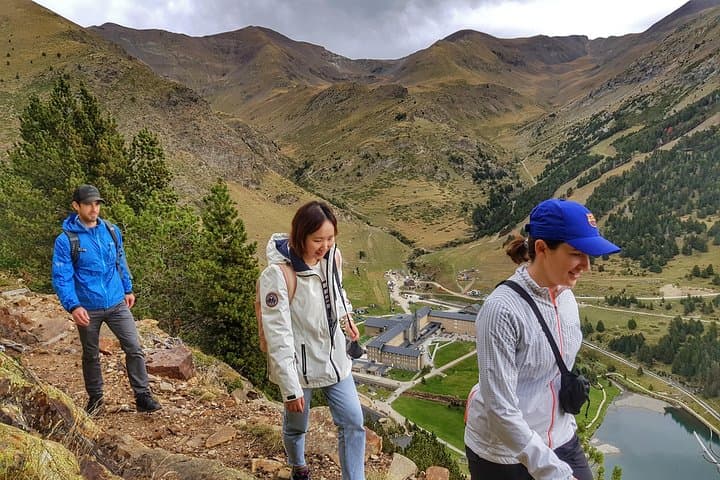
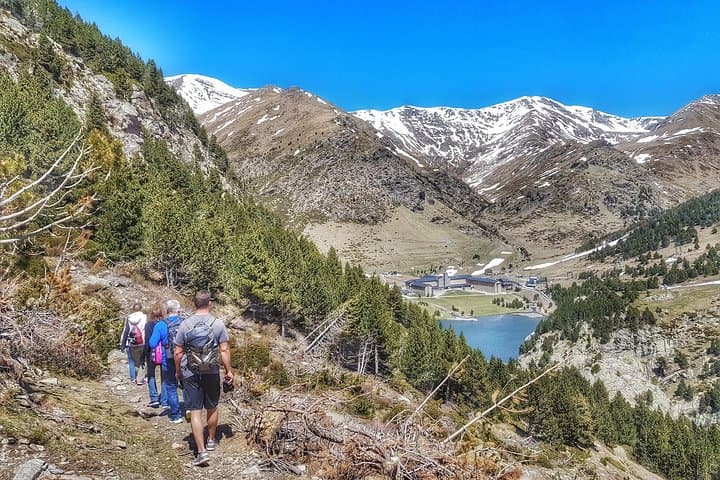
Timing matters—start early for firm ground and clearer views, and leave wiggle room for photo stops, the Font de Sant Gil spring and time at the shrine. Follow marked trails, respect fragile alpine vegetation and be ready for an honest day's work rewarded by a green basin and a lake framed by peaks.
challenging.
6–10 hours.
Good cardiovascular fitness and experience hiking on sustained uphill, uneven terrain; comfortable with prolonged ascents.
The trail from Queralbs to Vall de Núria is about 10 km with roughly 800 m of positive elevation gain; plan for 4–6 hours of hiking plus transport time.
Yes—the tour includes a return rack railway ticket Queralbs ↔ Núria as well as transport to the start and a guide.
Not ideal for beginners or young children: the route is challenging with sustained climbs and uneven terrain; previous mountain hiking experience is recommended.
Tours may be cancelled for severe weather; bring layers and a waterproof shell and follow guide instructions—trail conditions can change quickly at altitude.
Vall de Núria has long been a spiritual and mountain refuge; the shrine and historic hotel reflect early 20th‑century Catalan pilgrimage and the 1931 discussions around regional autonomy.
The high‑alpine environment is fragile—stick to trails, avoid trampling vegetation and carry out all rubbish; the area is managed to balance tourism with habitat protection.
World Adventour operates guided outdoor trips and adventures with an emphasis on safety, stewardship, and memorable experiences.
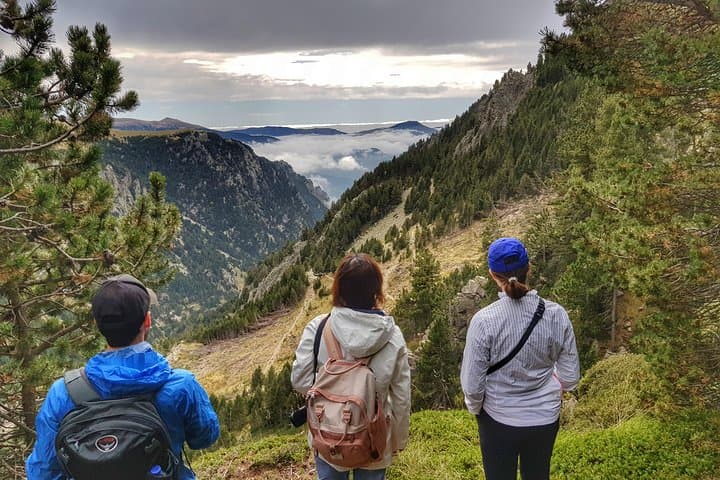
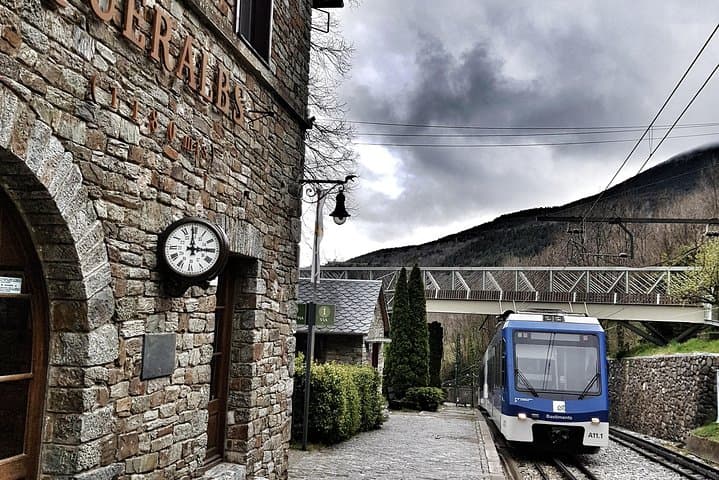
You step off the mountain train in Queralbs with cold air sharpening the view: craggy peaks push the skyline while the Nuria River tugs you along the original Camí Vell. The path climbs steadily, fir forests parting to reveal gullies, waterfalls and steep terraces where alpine flowers take hold between scree and grass.
You step off the mountain train in Queralbs with cold air sharpening the view: craggy peaks push the skyline while the Nuria River tugs you along the original Camí Vell. The path climbs steadily, fir forests parting to reveal gullies, waterfalls and steep terraces where alpine flowers take hold between scree and grass.
This is both natural stagecraft and cultural ground. Vall de Núria sits at about 1,954 m and hosts a 20th-century hotel and a small shrine to the Virgin of Núria; the valley was the site where the first draft of the Catalan Statute of Autonomy was discussed in 1931. Geologically the area is classic Pyrenean fold and fault—granite and schist slopes carved by glaciers—so expect steep gullies, rocky trail beds and sudden weather swings.
Practically: the route from Queralbs to Núria is roughly 10 km with about 800 m of ascent, suited for experienced hikers comfortable on high‑mountain terrain. Wear sturdy boots, layered clothing and carry at least 1–2 liters of water and snacks; the rack railway returns you to Queralbs if legs tire. Terrain alternates packed dirt, roots and rocky steps; microclimates mean sun, wind or rain can arrive in the same hour.
Timing matters—start early for firm ground and clearer views, and leave wiggle room for photo stops, the Font de Sant Gil spring and time at the shrine. Follow marked trails, respect fragile alpine vegetation and be ready for an honest day's work rewarded by a green basin and a lake framed by peaks.