THE ADVENTURE COLLECTIVE® · Independent discovery and booking for outdoor travel

A full-day private tour that pairs the open-air drama of the Giza Pyramids and Sphinx with the concentrated history of the Egyptian Museum. Expect substantial walking, strong sun, and close-up encounters with antiquity.
A full-day private tour that pairs the open-air drama of the Giza Pyramids and Sphinx with the concentrated history of the Egyptian Museum. Expect substantial walking, strong sun, and close-up encounters with antiquity.
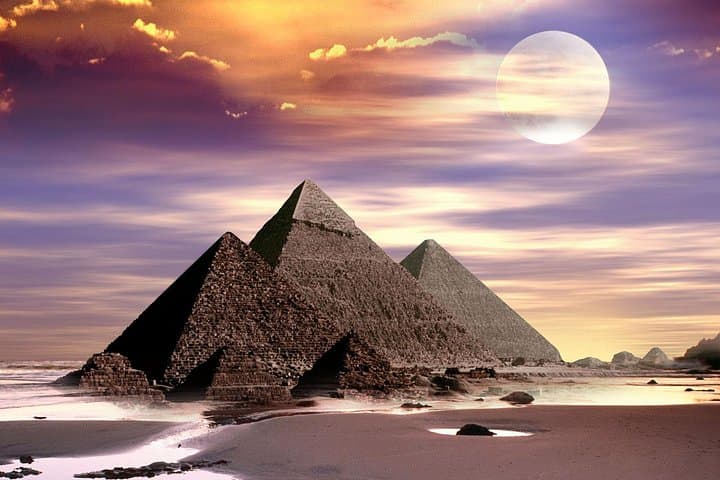
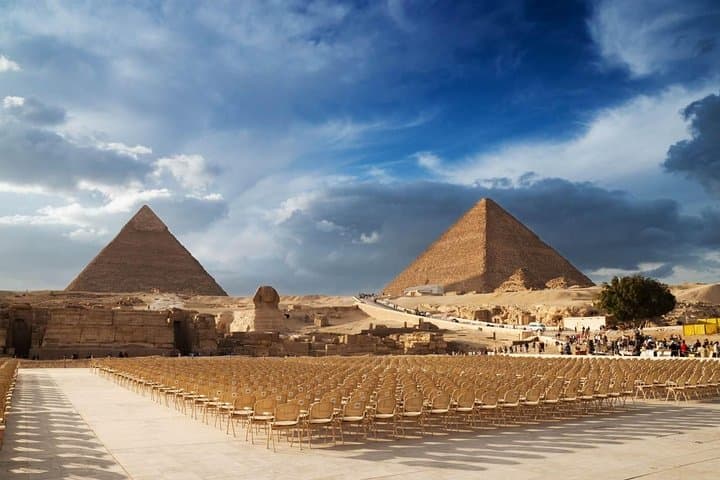
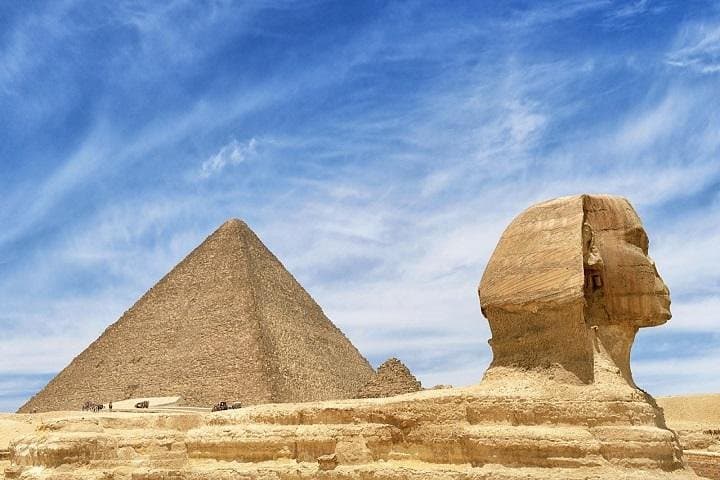
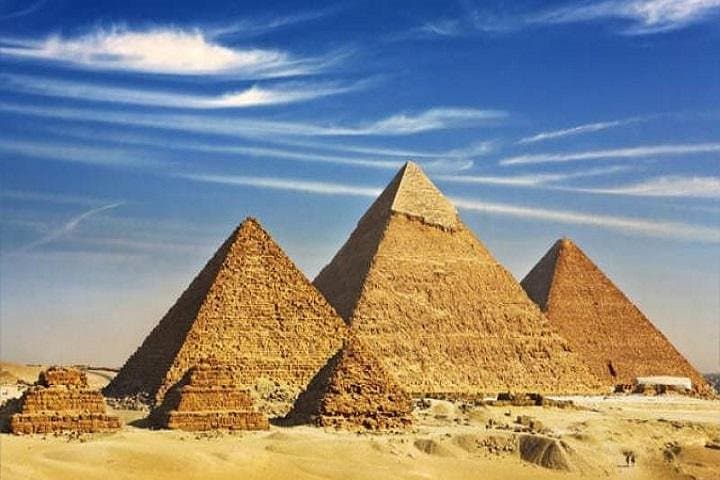
The day opens with sun cutting across the desert, and the three great stones of Giza growing from the heat like slow-moving mountains. You arrive on the western plateau where the Pyramids of Khufu, Khafre and Menkaure stand in deliberate silence; sand grit underfoot, camera shutters punctuating the hush. The Sphinx watches the approach — its lion body and human face daring you to imagine the hands that carved it.
Verified experiences and guided adventures in the surrounding area.
Operated by Oman Day Tours · Giza, Giza Governorate
The day opens with sun cutting across the desert, and the three great stones of Giza growing from the heat like slow-moving mountains. You arrive on the western plateau where the Pyramids of Khufu, Khafre and Menkaure stand in deliberate silence; sand grit underfoot, camera shutters punctuating the hush. The Sphinx watches the approach — its lion body and human face daring you to imagine the hands that carved it.
This route stitches ancient history and modern curation: a sweep of Old Kingdom funerary architecture followed by the dense galleries of the Egyptian Museum in downtown Cairo. Geologically, the plateau is limestone bedrock sculpted by millennia of wind and human quarrying. Culturally, the site is layered — Pharaonic ritual, 19th–20th century excavation, and contemporary Egyptian life rubbing shoulders in the nearby markets.
Expect substantial walking on uneven surfaces and short climbs near the pyramid bases; inside access to certain pyramids may require stooping through low passages. The museum visit covers cramped rooms and prized artifacts, including Tutankhamun’s treasures, which demand careful, deliberate viewing.
Practical edge: schedule early to avoid midday heat and crowds, carry water and a sun hat, and bring your passport — entrance is ticketed and often checked. Wear sturdy, closed-toe shoes for the plateau and modest clothing for cultural respect. Allow 6–8 hours for a relaxed pace with transport between sites included in many private tours. If you plan to enter the Great Pyramid, be ready for narrow, steep corridors and limited ventilation. This is a full-day cultural immersion that balances awe with manageable logistics.
moderate.
6–8 hours.
Moderate fitness for walking on uneven ground and occasional stooping; able to manage several hours on foot.
Many private tours include entrance fees for the pyramids, Sphinx area and the Egyptian Museum — confirm at booking; the listed product includes admission.
Some tours offer access to the Great Pyramid’s interior but it involves narrow, steep passages and may be restricted for health reasons; check in advance.
Not recommended for travelers with spinal issues or serious mobility limits due to uneven ground and low interior passages; children should be supervised closely.
Early morning departures are best for cooler temperatures and clearer photos; late afternoon can be quieter after tour buses leave.
The Giza pyramids date to Egypt’s Fourth Dynasty (about 2550–2490 BCE) and the Sphinx likely served a funerary and symbolic role tied to nearby royal complexes. The Egyptian Museum (opened 1902) houses artifacts spanning millennia, including Tutankhamun’s treasures.
Foot traffic and humidity challenge fragile stone and artifacts; stick to marked paths, avoid touching ancient masonry, and follow museum rules to limit flash photography and handling.
Oman Day Tours operates guided outdoor trips and adventures with an emphasis on safety, stewardship, and memorable experiences.
The day opens with sun cutting across the desert, and the three great stones of Giza growing from the heat like slow-moving mountains. You arrive on the western plateau where the Pyramids of Khufu, Khafre and Menkaure stand in deliberate silence; sand grit underfoot, camera shutters punctuating the hush. The Sphinx watches the approach — its lion body and human face daring you to imagine the hands that carved it.
The day opens with sun cutting across the desert, and the three great stones of Giza growing from the heat like slow-moving mountains. You arrive on the western plateau where the Pyramids of Khufu, Khafre and Menkaure stand in deliberate silence; sand grit underfoot, camera shutters punctuating the hush. The Sphinx watches the approach — its lion body and human face daring you to imagine the hands that carved it.
This route stitches ancient history and modern curation: a sweep of Old Kingdom funerary architecture followed by the dense galleries of the Egyptian Museum in downtown Cairo. Geologically, the plateau is limestone bedrock sculpted by millennia of wind and human quarrying. Culturally, the site is layered — Pharaonic ritual, 19th–20th century excavation, and contemporary Egyptian life rubbing shoulders in the nearby markets.
Expect substantial walking on uneven surfaces and short climbs near the pyramid bases; inside access to certain pyramids may require stooping through low passages. The museum visit covers cramped rooms and prized artifacts, including Tutankhamun’s treasures, which demand careful, deliberate viewing.
Practical edge: schedule early to avoid midday heat and crowds, carry water and a sun hat, and bring your passport — entrance is ticketed and often checked. Wear sturdy, closed-toe shoes for the plateau and modest clothing for cultural respect. Allow 6–8 hours for a relaxed pace with transport between sites included in many private tours. If you plan to enter the Great Pyramid, be ready for narrow, steep corridors and limited ventilation. This is a full-day cultural immersion that balances awe with manageable logistics.