THE ADVENTURE COLLECTIVE® · Independent discovery and booking for outdoor travel

Experience the Giza Plateau on a focused half-day tour with an Egyptologist guide. See the Great Pyramid, Khafre and Menkaure, stand before the Sphinx, and choose optional entry into an interior chamber to feel 4,500 years of history.
Experience the Giza Plateau on a focused half-day tour with an Egyptologist guide. See the Great Pyramid, Khafre and Menkaure, stand before the Sphinx, and choose optional entry into an interior chamber to feel 4,500 years of history.
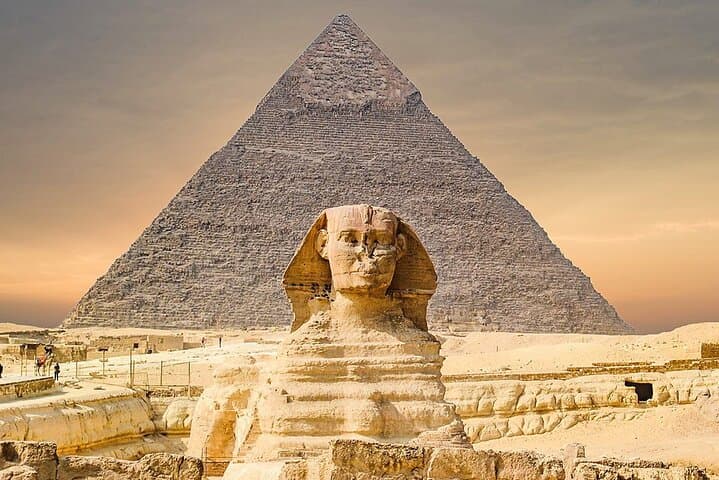
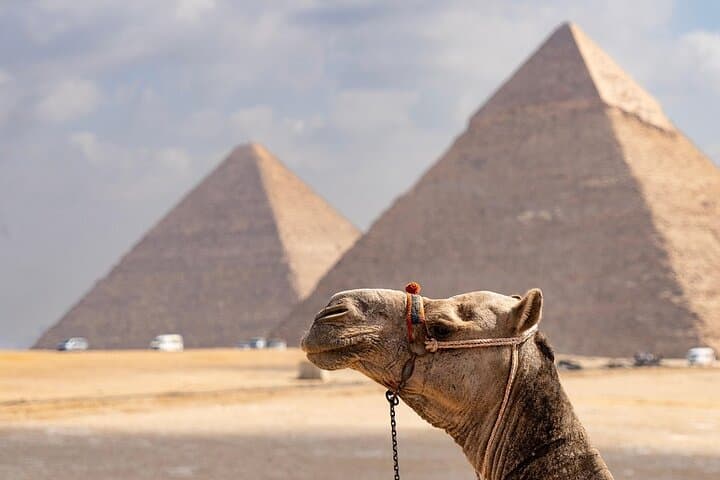
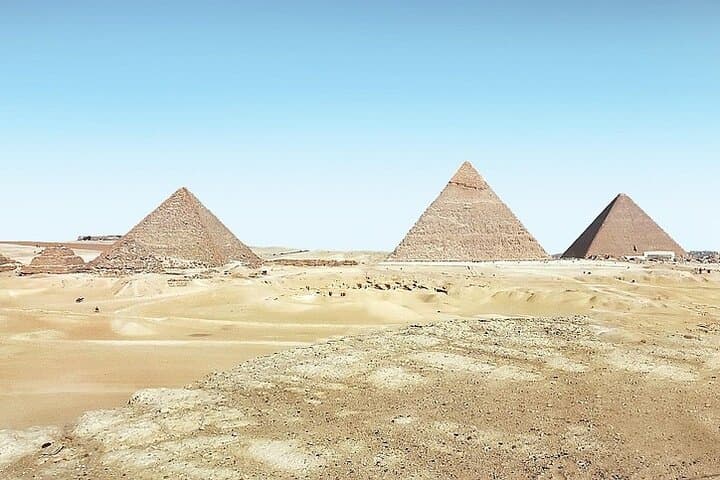
You step off the air-conditioned minivan and the Giza Plateau opens like a pale, ancient sea — limestone ramps, crisp horizon lines and the massive silhouette of Khufu asking for attention. Wind carries fine sand against your shoes while your Egyptologist guide points out the three pyramid crowns — Khufu, Khafre and Menkaure — and the squat watchfulness of the Great Sphinx carved from local bedrock.
Verified experiences and guided adventures in the surrounding area.
Operated by eu travel · Giza, Giza Governorate
You step off the air-conditioned minivan and the Giza Plateau opens like a pale, ancient sea — limestone ramps, crisp horizon lines and the massive silhouette of Khufu asking for attention. Wind carries fine sand against your shoes while your Egyptologist guide points out the three pyramid crowns — Khufu, Khafre and Menkaure — and the squat watchfulness of the Great Sphinx carved from local bedrock.
The stones you walk beside are roughly 4,500 years old. The Great Pyramid, attributed to Khufu, remains the last surviving Wonder of the Ancient World; the Sphinx is a single limestone figure that has been reshaped and repaired across millennia. Geologically the plateau is Eocene limestone and the area preserves traces of ancient quarrying and burial practices that define Old Kingdom funerary culture.
Culturally, this is where pharaonic power met ritual landscape: processional causeways, satellite mastabas and the nearby Solar Boat Museum add context to the raw scale. Expect stories of engineering, solar alignments and the very human labor behind the monuments.
Practical notes: the tour runs about three hours with hotel pickup and an Egyptologist guide; general admission to the plateau is included and entering an interior chamber is optional and limited. Wear sturdy shoes, sun protection and carry water; mornings and late afternoons are cooler and photographically favorable. Surfaces are uneven and there are many stairs if you choose internal access — request wheelchair-accessible transport if needed. Plan for crowds, keep to marked areas, and respect site rules: the plateau is ancient and fragile, and management restricts climbing and certain behaviors to protect it.
easy.
3 hours.
Suitable for most fitness levels; involves walking on uneven ground for up to a couple of hours.
Optional interior access is sometimes available but limited and may require an extra fee; passages are narrow and steep, so it's not suitable for anyone with severe claustrophobia or mobility issues.
The plateau and transport can be arranged to be wheelchair accessible, but interior pyramid chambers are not accessible and many walkways are uneven.
This is a roughly three-hour tour that includes pickup/drop-off from Cairo or Giza hotels, an Egyptologist guide, general admission to the Giza Plateau and a provided lunch; optional pyramid entry is extra.
Early morning and late afternoon provide softer light and fewer visitors; midday produces harsh shadows and higher temperatures.
The main pyramids date to Egypt’s Old Kingdom (c. 26th century BCE); Khufu’s Great Pyramid was the tallest man-made structure for millennia.
Tourist pressure and erosion threaten exposed stone and archaeological context — stick to paths and heed site rules; ongoing conservation work limits certain areas to protect them.
eu travel operates guided outdoor trips and adventures with an emphasis on safety, stewardship, and memorable experiences.
You step off the air-conditioned minivan and the Giza Plateau opens like a pale, ancient sea — limestone ramps, crisp horizon lines and the massive silhouette of Khufu asking for attention. Wind carries fine sand against your shoes while your Egyptologist guide points out the three pyramid crowns — Khufu, Khafre and Menkaure — and the squat watchfulness of the Great Sphinx carved from local bedrock.
You step off the air-conditioned minivan and the Giza Plateau opens like a pale, ancient sea — limestone ramps, crisp horizon lines and the massive silhouette of Khufu asking for attention. Wind carries fine sand against your shoes while your Egyptologist guide points out the three pyramid crowns — Khufu, Khafre and Menkaure — and the squat watchfulness of the Great Sphinx carved from local bedrock.
The stones you walk beside are roughly 4,500 years old. The Great Pyramid, attributed to Khufu, remains the last surviving Wonder of the Ancient World; the Sphinx is a single limestone figure that has been reshaped and repaired across millennia. Geologically the plateau is Eocene limestone and the area preserves traces of ancient quarrying and burial practices that define Old Kingdom funerary culture.
Culturally, this is where pharaonic power met ritual landscape: processional causeways, satellite mastabas and the nearby Solar Boat Museum add context to the raw scale. Expect stories of engineering, solar alignments and the very human labor behind the monuments.
Practical notes: the tour runs about three hours with hotel pickup and an Egyptologist guide; general admission to the plateau is included and entering an interior chamber is optional and limited. Wear sturdy shoes, sun protection and carry water; mornings and late afternoons are cooler and photographically favorable. Surfaces are uneven and there are many stairs if you choose internal access — request wheelchair-accessible transport if needed. Plan for crowds, keep to marked areas, and respect site rules: the plateau is ancient and fragile, and management restricts climbing and certain behaviors to protect it.