THE ADVENTURE COLLECTIVE® · Independent discovery and booking for outdoor travel

From Suez Port to the Giza Plateau: a full‑day cultural run that packs the Great Pyramids, the Sphinx, a papyrus demonstration and a local lunch into one well‑paced excursion. Ideal for cruise passengers wanting a concise encounter with Egypt’s ancient core.
From Suez Port to the Giza Plateau: a full‑day cultural run that packs the Great Pyramids, the Sphinx, a papyrus demonstration and a local lunch into one well‑paced excursion. Ideal for cruise passengers wanting a concise encounter with Egypt’s ancient core.
You step off a ship into Suez’s hot air, climb into an air‑conditioned van and watch the Red Sea recede as the road unfurls toward the Nile valley. By late morning the horizon changes: low desert gives way to the Western Plateau where the Great Pyramids puncture Cairo’s skyline — geometric giants of sun‑bleached limestone that both dominate and dare you to measure history against your own pace.
Verified experiences and guided adventures in the surrounding area.
Operated by NORTH AFRICAN SHIPPING AND TOURISM COMPANY (NASCO TOURS) · Suez, Suez Governorate
You step off a ship into Suez’s hot air, climb into an air‑conditioned van and watch the Red Sea recede as the road unfurls toward the Nile valley. By late morning the horizon changes: low desert gives way to the Western Plateau where the Great Pyramids puncture Cairo’s skyline — geometric giants of sun‑bleached limestone that both dominate and dare you to measure history against your own pace.
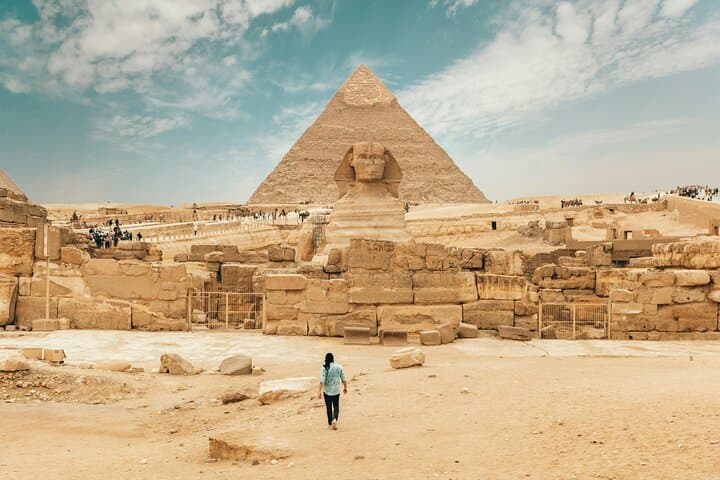
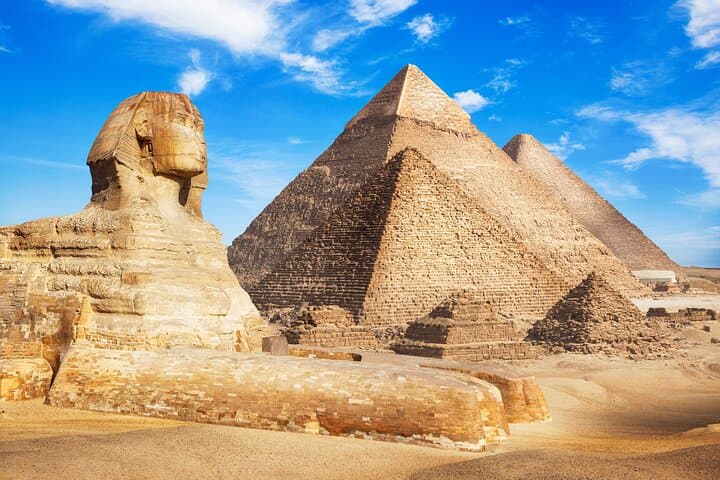
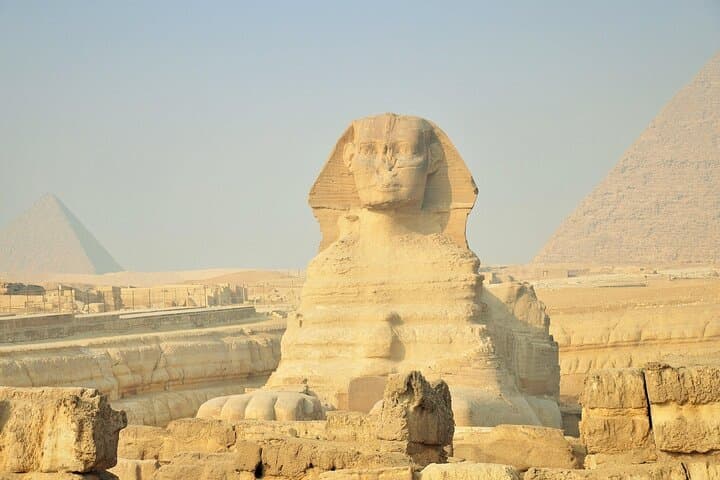
Built more than 4,500 years ago, the Giza monuments are cut from local Tura limestone and Korai granite; each block tells the story of ancient engineering, funerary rites, and a city that swelled around the river’s life. Nearby, the Sphinx — weathered, enigmatic — keeps a quiet watch over the plateau while vendors, Bedouin horsemen, and modern Cairo traffic remind you this is a living cultural crossroads.
A short visit to a Papyrus Institute offers a tactile counterpoint: reed to sheet, tradition to craft. Lunch in a local restaurant brings simple, spiced flavors that anchor the day before the return drive to Suez Port.
Practical guidance: plan a 7–8 hour day with long periods of standing and walking on uneven stone and sand. Sun protection and sturdy closed shoes matter more than fashion; carry water and a photocopy of passport pages if you’re on a cruise timetable. Expect photo stops, brief interpretive talks from a guide, and roughly two hours on the plateau for viewpoints and exploration. Time your visit for morning light or late afternoon to avoid harsh sun and to get flatter, more photogenic shadows across the pyramids.
easy.
7–8 hours.
Suitable for travelers in average physical condition; involves standing, short walks over uneven ground.
Expect roughly 2–3 hours each way by road depending on traffic; the full tour lasts about 7–8 hours including stops.
This tour description indicates entrance to the Giza Plateau is included for the scheduled stops; confirm specifics with the local operator before travel.
Yes — the tour is rated easy and infants are allowed; request infant seats if needed and be mindful of sun exposure for young children.
Access inside pyramids is limited and may require separate tickets or have restricted availability; check with the guide on the day of travel.
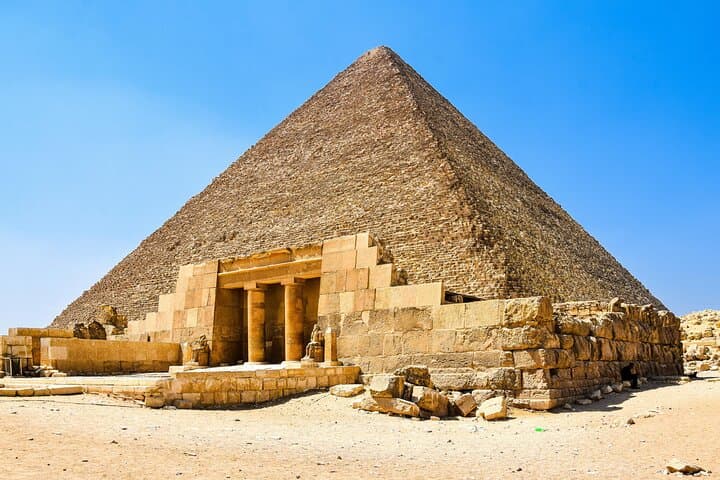
The Giza complex dates to Egypt’s Fourth Dynasty (c. 2600–2500 BCE); the Great Pyramid was built as Khufu’s tomb and remained the tallest man‑made structure for millennia.
Visitor management aims to limit wear on stone and control souvenir trade; avoid climbing monuments and support certified local artisans to reduce impact.
NORTH AFRICAN SHIPPING AND TOURISM COMPANY (NASCO TOURS) operates guided outdoor trips and adventures with an emphasis on safety, stewardship, and memorable experiences.
You step off a ship into Suez’s hot air, climb into an air‑conditioned van and watch the Red Sea recede as the road unfurls toward the Nile valley. By late morning the horizon changes: low desert gives way to the Western Plateau where the Great Pyramids puncture Cairo’s skyline — geometric giants of sun‑bleached limestone that both dominate and dare you to measure history against your own pace.
You step off a ship into Suez’s hot air, climb into an air‑conditioned van and watch the Red Sea recede as the road unfurls toward the Nile valley. By late morning the horizon changes: low desert gives way to the Western Plateau where the Great Pyramids puncture Cairo’s skyline — geometric giants of sun‑bleached limestone that both dominate and dare you to measure history against your own pace.
Built more than 4,500 years ago, the Giza monuments are cut from local Tura limestone and Korai granite; each block tells the story of ancient engineering, funerary rites, and a city that swelled around the river’s life. Nearby, the Sphinx — weathered, enigmatic — keeps a quiet watch over the plateau while vendors, Bedouin horsemen, and modern Cairo traffic remind you this is a living cultural crossroads.
A short visit to a Papyrus Institute offers a tactile counterpoint: reed to sheet, tradition to craft. Lunch in a local restaurant brings simple, spiced flavors that anchor the day before the return drive to Suez Port.
Practical guidance: plan a 7–8 hour day with long periods of standing and walking on uneven stone and sand. Sun protection and sturdy closed shoes matter more than fashion; carry water and a photocopy of passport pages if you’re on a cruise timetable. Expect photo stops, brief interpretive talks from a guide, and roughly two hours on the plateau for viewpoints and exploration. Time your visit for morning light or late afternoon to avoid harsh sun and to get flatter, more photogenic shadows across the pyramids.