THE ADVENTURE COLLECTIVE® · Independent discovery and booking for outdoor travel

Mount a dromedary at dawn and watch the Great Pyramid and Sphinx unfold across the Giza Plateau. This accessible camel ride pairs sweeping desert views with compact historical context—perfect for travelers short on time.
Mount a dromedary at dawn and watch the Great Pyramid and Sphinx unfold across the Giza Plateau. This accessible camel ride pairs sweeping desert views with compact historical context—perfect for travelers short on time.
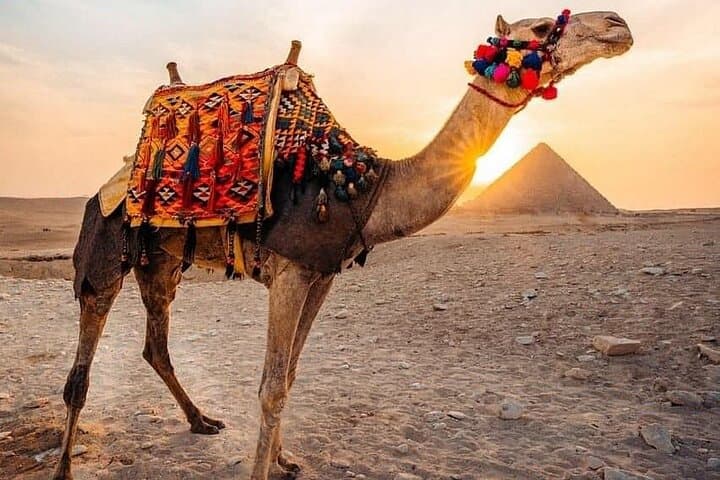
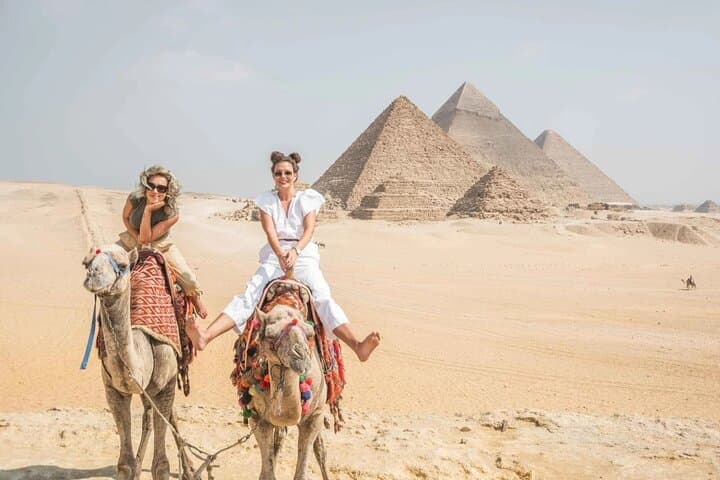
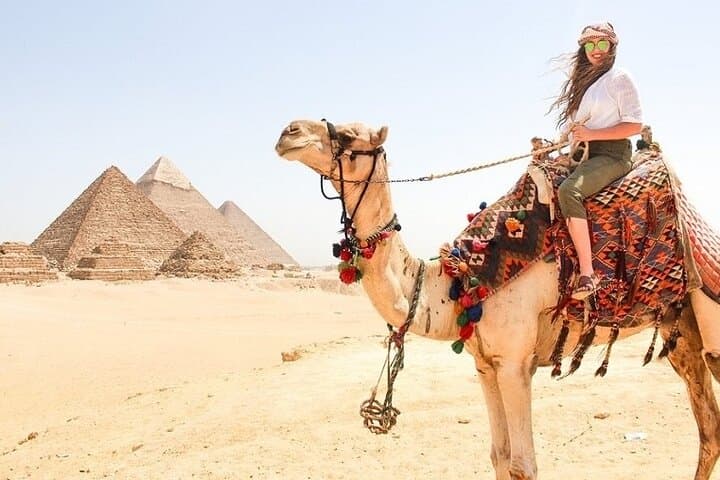
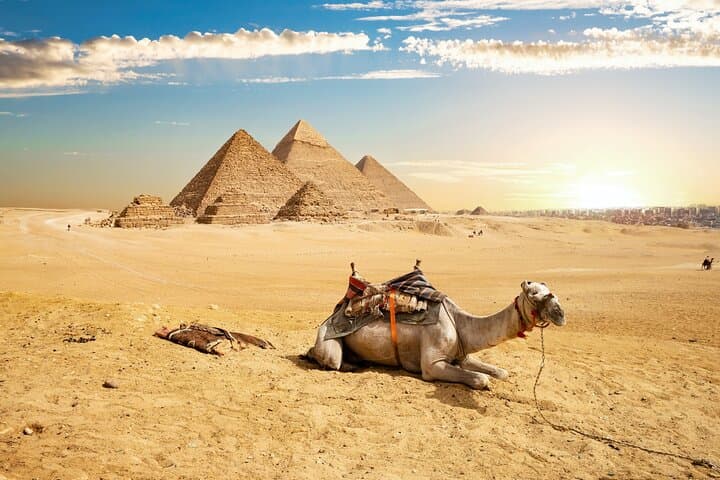
The sun lifts over ochre sand and limestone, and the first silhouettes of the Great Pyramid grow bold against a pale sky. You mount a dromedary and the desert shifts beneath you—slow, rhythmic, intimate—while the Sphinx watches from a short distance. The ride steers through open sand and quieter ridgelines, offering wide-angle views of three pyramids at once and a perspective you don’t get from the crowded causeways.
Verified experiences and guided adventures in the surrounding area.
Operated by Egipto Excursiones · Giza, Cairo Governorate
The sun lifts over ochre sand and limestone, and the first silhouettes of the Great Pyramid grow bold against a pale sky. You mount a dromedary and the desert shifts beneath you—slow, rhythmic, intimate—while the Sphinx watches from a short distance. The ride steers through open sand and quieter ridgelines, offering wide-angle views of three pyramids at once and a perspective you don’t get from the crowded causeways.
This stretch of the Giza Plateau has been hollowed and built by human hands for over 4,500 years; the Great Pyramid of Khufu, the middle Pyramid of Khafre and the smaller Menkaure mark an era of monumental stonework and funerary practice in Egypt’s Fourth Dynasty. Geologically the plateau is limestone capped by wind-swept sand; culturally it remains a working landscape where camel handlers, guides and local vendors intersect with archaeology.
The tour usually includes hotel pickup, an English-speaking guide, camel fees and entry to the Giza area—so you move quickly from city traffic into the quieter desert edge. Expect uneven footing mounting and dismounting camels, intermittent dust, and strong sun. Bring closed-toe shoes, sun protection and a light scarf for sand. Schedule rides early morning or late afternoon to avoid peak heat and to see the pyramids in gentler light.
Respect site rules: do not climb monuments, stay on permitted paths, and follow your guide’s instructions. The camel ride is brief, scenic and very accessible—an easy way to layer history onto a day in Cairo without strenuous effort.
easy.
3–4 hours.
Minimal fitness required; able to mount/dismount a camel and tolerate short periods of standing and walking.
Yes — most bookings include private pickup and drop-off by air-conditioned vehicle from Cairo or Giza hotels.
The activity is suitable for most travelers, but it is not recommended for people with spinal, heart conditions, or pregnant guests.
This tour lists Pyramids area entry tickets and camel fees as included—confirm with the operator at booking for access specifics.
The total tour lasts around four hours; the camel portion typically ranges from 20–45 minutes depending on the route and photo stops.
The Giza Plateau dates to Egypt’s Fourth Dynasty (c. 2600–2500 BCE); the Great Pyramid was constructed as Pharaoh Khufu’s tomb using massive limestone blocks.
Stay on permitted routes and do not climb monuments; preserving fragile archaeological surfaces and limiting litter protects the site for future visitors.
Egipto Excursiones operates guided outdoor trips and adventures with an emphasis on safety, stewardship, and memorable experiences.
The sun lifts over ochre sand and limestone, and the first silhouettes of the Great Pyramid grow bold against a pale sky. You mount a dromedary and the desert shifts beneath you—slow, rhythmic, intimate—while the Sphinx watches from a short distance. The ride steers through open sand and quieter ridgelines, offering wide-angle views of three pyramids at once and a perspective you don’t get from the crowded causeways.
The sun lifts over ochre sand and limestone, and the first silhouettes of the Great Pyramid grow bold against a pale sky. You mount a dromedary and the desert shifts beneath you—slow, rhythmic, intimate—while the Sphinx watches from a short distance. The ride steers through open sand and quieter ridgelines, offering wide-angle views of three pyramids at once and a perspective you don’t get from the crowded causeways.
This stretch of the Giza Plateau has been hollowed and built by human hands for over 4,500 years; the Great Pyramid of Khufu, the middle Pyramid of Khafre and the smaller Menkaure mark an era of monumental stonework and funerary practice in Egypt’s Fourth Dynasty. Geologically the plateau is limestone capped by wind-swept sand; culturally it remains a working landscape where camel handlers, guides and local vendors intersect with archaeology.
The tour usually includes hotel pickup, an English-speaking guide, camel fees and entry to the Giza area—so you move quickly from city traffic into the quieter desert edge. Expect uneven footing mounting and dismounting camels, intermittent dust, and strong sun. Bring closed-toe shoes, sun protection and a light scarf for sand. Schedule rides early morning or late afternoon to avoid peak heat and to see the pyramids in gentler light.
Respect site rules: do not climb monuments, stay on permitted paths, and follow your guide’s instructions. The camel ride is brief, scenic and very accessible—an easy way to layer history onto a day in Cairo without strenuous effort.