THE ADVENTURE COLLECTIVE® · Independent discovery and booking for outdoor travel

Visit two of Malaysia’s most striking modern mosques on a half-day trip that pairs the rose-domed Putra Mosque with the monumental Blue Mosque in Shah Alam. Expect architectural detail, lakeside promenades, and practical advice on dress and timing.
Visit two of Malaysia’s most striking modern mosques on a half-day trip that pairs the rose-domed Putra Mosque with the monumental Blue Mosque in Shah Alam. Expect architectural detail, lakeside promenades, and practical advice on dress and timing.
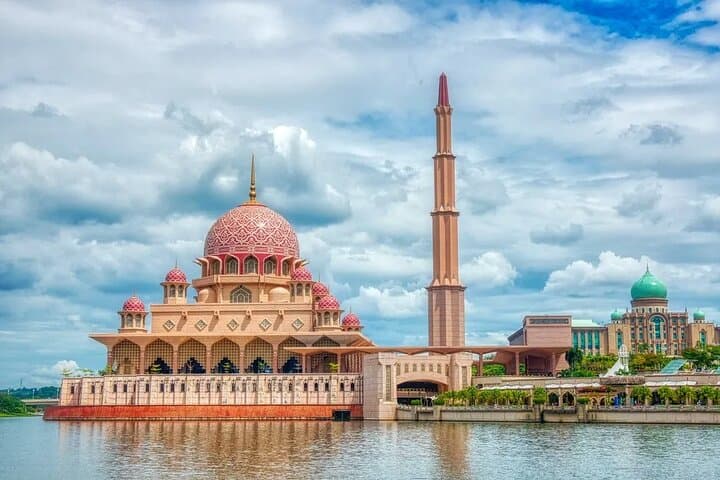
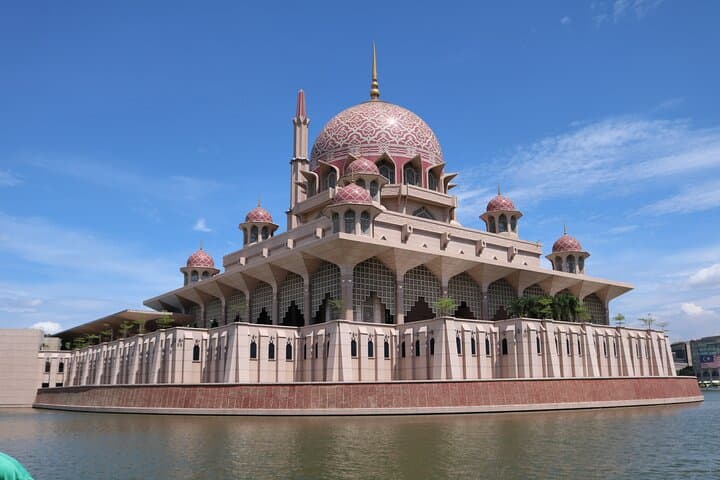
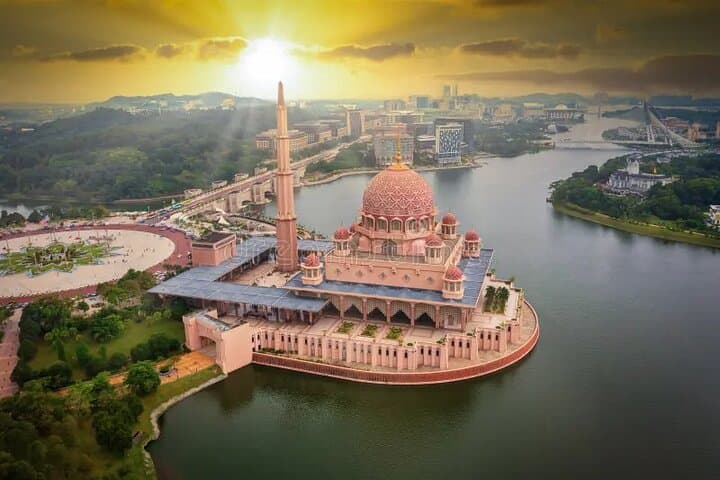
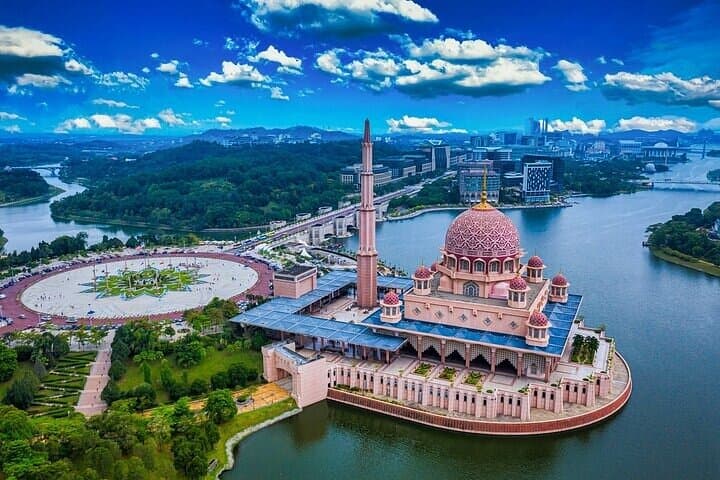
You step off the van onto broad promenades where the water of Putrajaya Lake pulls the sunlight into thin, moving ribbons. The Putra (Pink) Mosque sits at the water’s edge—rose-tinted granite and a domed crown that reads clean against the sky—while palms and planned gardens angle the view toward government buildings and pedestrian bridges.
Verified experiences and guided adventures in the surrounding area.
Operated by FawSha Travels · Putrajaya, Putrajaya
You step off the van onto broad promenades where the water of Putrajaya Lake pulls the sunlight into thin, moving ribbons. The Putra (Pink) Mosque sits at the water’s edge—rose-tinted granite and a domed crown that reads clean against the sky—while palms and planned gardens angle the view toward government buildings and pedestrian bridges.
Both mosques are modern expressions of Malay and Islamic architecture. The Putra Mosque, completed in 1999, mixes Persian and contemporary motifs; its rose hue comes from granite and deliberate pigment choices that age gracefully under tropical sun. The Sultan Salahuddin Abdul Aziz Shah Mosque in Shah Alam, often called the Blue Mosque, opened in the 1980s and is notable for one of the world’s largest domes and four towering minarets clad in blue-and-white tile.
Culturally, these are active houses of worship: call to prayer punctuates the day and visitors share communal space with congregants. The landscape here is engineered—man-made lakes, planted boulevards and bold geometric plazas—so geology is secondary to human design, but the scale and use of water give both sites a calm momentum.
Practical guidance: dress modestly (shoulders and knees covered), carry a light scarf for women and avoid flip-flops for smoother entry. Expect guided or self-guided exploration windows of 60–120 minutes per mosque, queued entry during prayer times, and roughly six hours door-to-door from Kuala Lumpur including hotel transfers. Bring sun protection, a refillable water bottle, and allow time to walk the lakeside promenades—where the water seems to dare you to slow down and look across the city’s civic face.
easy.
6 hours.
Suitable for most fitness levels; involves moderate walking on paved surfaces
Yes—this tour uses hotel transfers and has limited seats; bookings secure pickup and guide services.
Both sites have accessible areas and the tour lists wheelchair-friendly transport and surfaces, but check specific access to upper galleries.
Admission to the mosques is typically free for visitors, but donations are welcome; guided access may be subject to mosque rules.
Children should follow the same modest dress rules; infants are usually free but must sit on laps for transport.
Putrajaya was developed in the 1990s as Malaysia’s administrative capital; the Pink Mosque marked a civic phase blending modern Malaysian identity with Islamic architectural language.
The precincts rely on managed green spaces and lake systems—minimizing litter, using refillable bottles, and following site rules helps preserve these engineered landscapes.
FawSha Travels operates guided outdoor trips and adventures with an emphasis on safety, stewardship, and memorable experiences.
You step off the van onto broad promenades where the water of Putrajaya Lake pulls the sunlight into thin, moving ribbons. The Putra (Pink) Mosque sits at the water’s edge—rose-tinted granite and a domed crown that reads clean against the sky—while palms and planned gardens angle the view toward government buildings and pedestrian bridges.
You step off the van onto broad promenades where the water of Putrajaya Lake pulls the sunlight into thin, moving ribbons. The Putra (Pink) Mosque sits at the water’s edge—rose-tinted granite and a domed crown that reads clean against the sky—while palms and planned gardens angle the view toward government buildings and pedestrian bridges.
Both mosques are modern expressions of Malay and Islamic architecture. The Putra Mosque, completed in 1999, mixes Persian and contemporary motifs; its rose hue comes from granite and deliberate pigment choices that age gracefully under tropical sun. The Sultan Salahuddin Abdul Aziz Shah Mosque in Shah Alam, often called the Blue Mosque, opened in the 1980s and is notable for one of the world’s largest domes and four towering minarets clad in blue-and-white tile.
Culturally, these are active houses of worship: call to prayer punctuates the day and visitors share communal space with congregants. The landscape here is engineered—man-made lakes, planted boulevards and bold geometric plazas—so geology is secondary to human design, but the scale and use of water give both sites a calm momentum.
Practical guidance: dress modestly (shoulders and knees covered), carry a light scarf for women and avoid flip-flops for smoother entry. Expect guided or self-guided exploration windows of 60–120 minutes per mosque, queued entry during prayer times, and roughly six hours door-to-door from Kuala Lumpur including hotel transfers. Bring sun protection, a refillable water bottle, and allow time to walk the lakeside promenades—where the water seems to dare you to slow down and look across the city’s civic face.