THE ADVENTURE COLLECTIVE® · Independent discovery and booking for outdoor travel

A compact full-day shore excursion that pairs the engineered grandeur of Putrajaya with the limestone drama of Batu Caves. Perfect for travelers who want architecture, culture and a short climb without a strenuous hike.
A compact full-day shore excursion that pairs the engineered grandeur of Putrajaya with the limestone drama of Batu Caves. Perfect for travelers who want architecture, culture and a short climb without a strenuous hike.
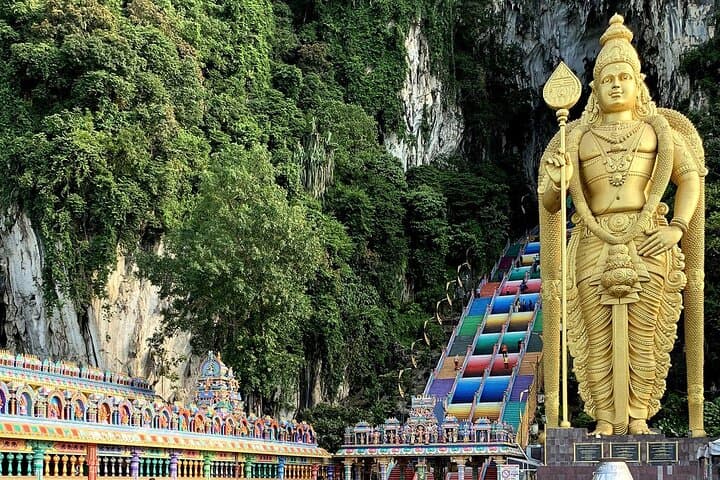
You step off the ship into humid Malaysian air, and within an hour the cityscape gives way to sculpted water and manicured boulevards: Putrajaya’s lake glints like a deliberate mirror. Later, limestone cliffs at Batu Caves loom cool and shadowed, monkeys sizing you up at the foot of the famous 272-step staircase that leads into a cavern sanctified by devotion and frescoed shrines.
Verified experiences and guided adventures in the surrounding area.
Operated by RIYAS TRAVEL MALAYSIA · Putrajaya, Federal Territory of Putrajaya
You step off the ship into humid Malaysian air, and within an hour the cityscape gives way to sculpted water and manicured boulevards: Putrajaya’s lake glints like a deliberate mirror. Later, limestone cliffs at Batu Caves loom cool and shadowed, monkeys sizing you up at the foot of the famous 272-step staircase that leads into a cavern sanctified by devotion and frescoed shrines.
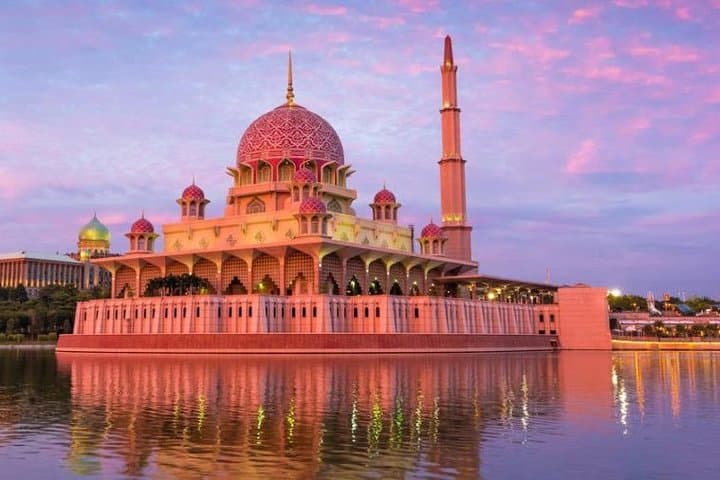
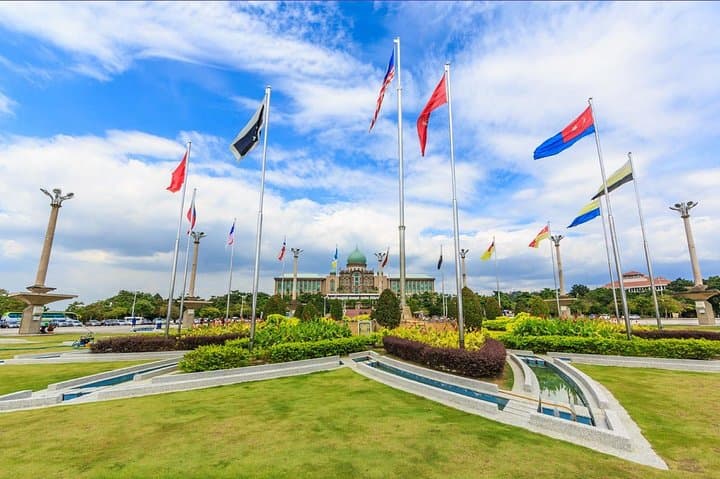
Putrajaya is Malaysia’s late-20th-century administrative capital—planned in the 1990s—with signature landmarks such as the rose-hued Putra Mosque (completed 1997), the green-domed Perdana Putra, and the 240‑metre Seri Wawasan cable-stayed bridge. The Millennium Monument and the Iron Mosque showcase the city’s mix of modern engineering and Islamic-inspired motifs. Batu Caves is a much older story: a limestone outcrop formed over hundreds of millions of years, repurposed into a Hindu temple complex that draws pilgrims, climbers and curious travelers.
Expect a day of short walks, photo stops and cultural notes rather than a strenuous trek: cool caverns, expansive lakefront views and tight encounters with macaques. Practicalities matter—dress respectfully at religious sites, wear grippy shoes for stairs, and carry water for Malaysia’s tropical heat. The tour typically runs about 6–7 hours with port pick-up and drop-off, an English-speaking driver, and entrance fees included. Arrive early to avoid crowds at the caves and schedule mosque visits around prayer times. The rhythm of the day alternates slow cultural appreciation with brisk sightseeing—perfect for travelers who want a compact, varied introduction to the region’s architecture, religion and engineered landscapes.
easy.
6–7 hours.
Light activity; suitable for most people but you should be able to climb stairs and walk short distances repeatedly.
The tour is about 6.5 hours (390 minutes) and includes air-conditioned vehicle transfer with port pick-up and drop-off.
All entrance fees are included; the service provides an English-speaking professional driver but not a dedicated temple guide at every stop.
The climb is steep (272 concrete steps) but not technical; take breaks if needed and watch for monkeys and loose steps.
Yes—mosque interiors may be closed or quiet during prayer times; visits are usually limited to photo opportunities and external viewing when services occur.
Putrajaya was purpose-built in the 1990s to serve as Malaysia’s administrative capital; Batu Caves is an ancient limestone formation repurposed as a Hindu pilgrimage site centered on Thaipusam celebrations.
Putrajaya’s lake and park system were engineered as cooling and recreational green space—stay on paths and avoid feeding wildlife; at Batu Caves, respect signage to protect cave formations and temple precincts.
RIYAS TRAVEL MALAYSIA operates guided outdoor trips and adventures with an emphasis on safety, stewardship, and memorable experiences.

You step off the ship into humid Malaysian air, and within an hour the cityscape gives way to sculpted water and manicured boulevards: Putrajaya’s lake glints like a deliberate mirror. Later, limestone cliffs at Batu Caves loom cool and shadowed, monkeys sizing you up at the foot of the famous 272-step staircase that leads into a cavern sanctified by devotion and frescoed shrines.
You step off the ship into humid Malaysian air, and within an hour the cityscape gives way to sculpted water and manicured boulevards: Putrajaya’s lake glints like a deliberate mirror. Later, limestone cliffs at Batu Caves loom cool and shadowed, monkeys sizing you up at the foot of the famous 272-step staircase that leads into a cavern sanctified by devotion and frescoed shrines.
Putrajaya is Malaysia’s late-20th-century administrative capital—planned in the 1990s—with signature landmarks such as the rose-hued Putra Mosque (completed 1997), the green-domed Perdana Putra, and the 240‑metre Seri Wawasan cable-stayed bridge. The Millennium Monument and the Iron Mosque showcase the city’s mix of modern engineering and Islamic-inspired motifs. Batu Caves is a much older story: a limestone outcrop formed over hundreds of millions of years, repurposed into a Hindu temple complex that draws pilgrims, climbers and curious travelers.
Expect a day of short walks, photo stops and cultural notes rather than a strenuous trek: cool caverns, expansive lakefront views and tight encounters with macaques. Practicalities matter—dress respectfully at religious sites, wear grippy shoes for stairs, and carry water for Malaysia’s tropical heat. The tour typically runs about 6–7 hours with port pick-up and drop-off, an English-speaking driver, and entrance fees included. Arrive early to avoid crowds at the caves and schedule mosque visits around prayer times. The rhythm of the day alternates slow cultural appreciation with brisk sightseeing—perfect for travelers who want a compact, varied introduction to the region’s architecture, religion and engineered landscapes.