THE ADVENTURE COLLECTIVE® · Independent discovery and booking for outdoor travel

Pair a limestone cave temple and a planned‑city architectural tour on a private half‑day shore excursion from Kuala Lumpur. Expect 272 steps at Batu Caves, pink granite mosques, lakefront views, and port pickup included.
Pair a limestone cave temple and a planned‑city architectural tour on a private half‑day shore excursion from Kuala Lumpur. Expect 272 steps at Batu Caves, pink granite mosques, lakefront views, and port pickup included.
Morning light breaks across the harbour and the driver waits curbside—air‑conditioned vehicle, English narration, and a route that trades skyscrapers for sacred limestone and planned‑city grandeur.
Verified experiences and guided adventures in the surrounding area.
Operated by RIYAS TRAVEL MALAYSIA · Putrajaya, Putrajaya
Morning light breaks across the harbour and the driver waits curbside—air‑conditioned vehicle, English narration, and a route that trades skyscrapers for sacred limestone and planned‑city grandeur.
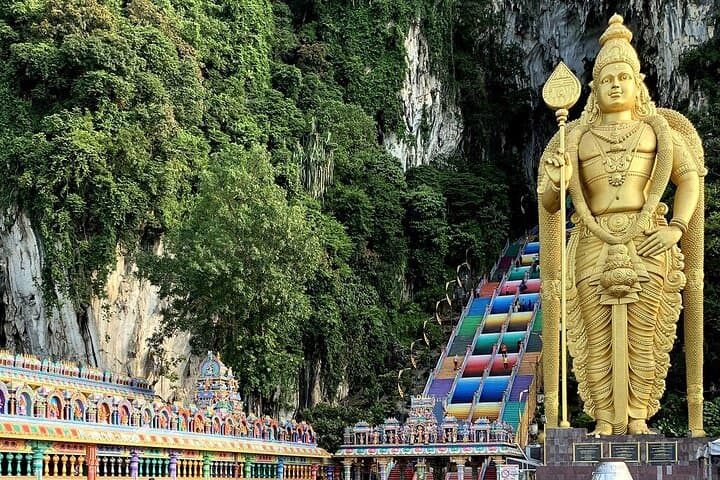
First the climb: Batu Caves rises out of tropical scrub as a jagged limestone outcrop formed hundreds of millions of years ago. Visitors ascend 272 painted steps toward the cave temple, where Hindu shrines occupy cavernous chambers and monkeys patrol the stairwell like mischief with tails. The place pulses most loudly during Thaipusam, when devotees throng the steps, but even on an ordinary day the painted Murugan statue and stalactite‑hung passages feel alive.
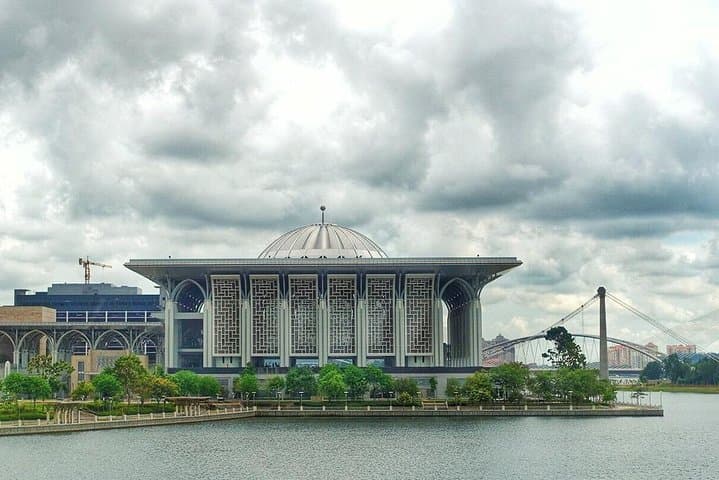
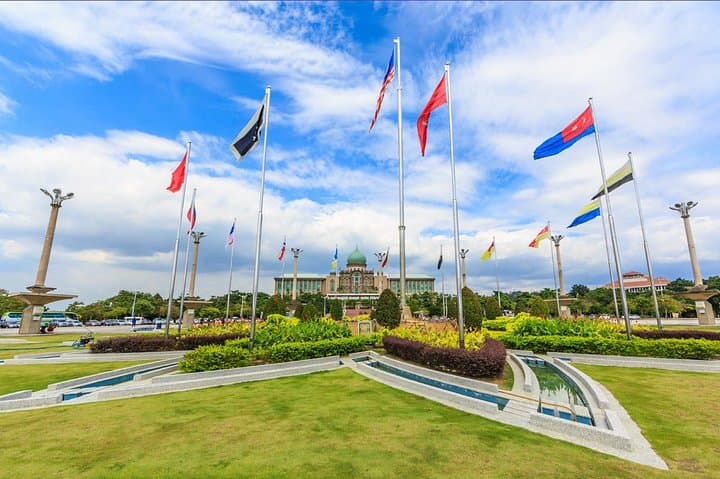
Then the tour slips south to Putrajaya, Malaysia’s late‑20th‑century administrative city. Here the landscape is engineered—broad boulevards, the pink rose‑granite Putra Mosque mirrored on Putrajaya Lake, and the green‑domed Perdana Putra glowering over manicured wetlands. Bridges—like Seri Wawasan—slice the skyline, and modern pavilions borrow Persian and Moroccan motifs to dramatize diplomatic ties.
Practical guidance: plan for a 6‑hour shore excursion with port pickup and drop‑off included. Modest dress is required inside mosques; comfortable closed shoes are best for stairs and uneven cave floors. Carry water, sunscreen and a lightweight rain layer—Malaysia’s weather changes fast. Keep cameras ready but be cautious around monkeys and crowds; follow your guide for traffic and entry logistics. The route is low‑impact physically but rich in cultural and geological contrast—two very different faces of greater Kuala Lumpur in one half‑day.
easy.
6 hours.
Suitable for most fitness levels; requires the ability to climb stairs and walk short distances.
The tour runs about six hours (360 minutes) and includes port pickup and drop‑off as part of the booking.
Yes—this excursion lists all entrance fees included in the tour price.
Yes—information notes stroller accessibility, though the Batu Caves stairs require carrying a stroller or having someone manage steps.
Visitors typically remove shoes and observe modest dress inside mosque prayer areas; follow the guide’s instructions on entry protocols.
Batu Caves has been a Hindu worship site since the late 19th century and hosts major pilgrimages like Thaipusam; Putrajaya was developed in the 1990s as Malaysia’s federal administrative centre.
Putrajaya’s wetlands are managed as a cooling and biodiversity buffer; visitors should stay on paths and avoid feeding wildlife to reduce human impact.
RIYAS TRAVEL MALAYSIA operates guided outdoor trips and adventures with an emphasis on safety, stewardship, and memorable experiences.

Morning light breaks across the harbour and the driver waits curbside—air‑conditioned vehicle, English narration, and a route that trades skyscrapers for sacred limestone and planned‑city grandeur.
Morning light breaks across the harbour and the driver waits curbside—air‑conditioned vehicle, English narration, and a route that trades skyscrapers for sacred limestone and planned‑city grandeur.
First the climb: Batu Caves rises out of tropical scrub as a jagged limestone outcrop formed hundreds of millions of years ago. Visitors ascend 272 painted steps toward the cave temple, where Hindu shrines occupy cavernous chambers and monkeys patrol the stairwell like mischief with tails. The place pulses most loudly during Thaipusam, when devotees throng the steps, but even on an ordinary day the painted Murugan statue and stalactite‑hung passages feel alive.
Then the tour slips south to Putrajaya, Malaysia’s late‑20th‑century administrative city. Here the landscape is engineered—broad boulevards, the pink rose‑granite Putra Mosque mirrored on Putrajaya Lake, and the green‑domed Perdana Putra glowering over manicured wetlands. Bridges—like Seri Wawasan—slice the skyline, and modern pavilions borrow Persian and Moroccan motifs to dramatize diplomatic ties.
Practical guidance: plan for a 6‑hour shore excursion with port pickup and drop‑off included. Modest dress is required inside mosques; comfortable closed shoes are best for stairs and uneven cave floors. Carry water, sunscreen and a lightweight rain layer—Malaysia’s weather changes fast. Keep cameras ready but be cautious around monkeys and crowds; follow your guide for traffic and entry logistics. The route is low‑impact physically but rich in cultural and geological contrast—two very different faces of greater Kuala Lumpur in one half‑day.