THE ADVENTURE COLLECTIVE® · Independent discovery and booking for outdoor travel

A six-hour private shore excursion from Port Klang that pairs Putrajaya’s striking modern architecture and lakeside landmarks with the limestone temples and 272 steps of Batu Caves. Ideal for travelers seeking a compact cultural tour with minimal walking between highlights.
A six-hour private shore excursion from Port Klang that pairs Putrajaya’s striking modern architecture and lakeside landmarks with the limestone temples and 272 steps of Batu Caves. Ideal for travelers seeking a compact cultural tour with minimal walking between highlights.
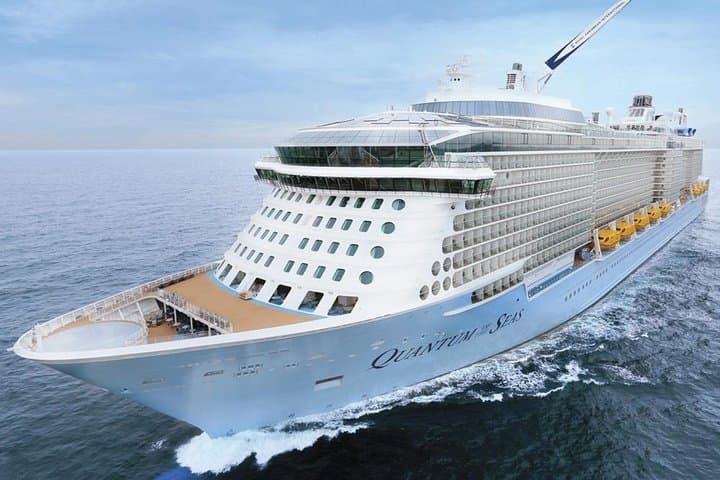
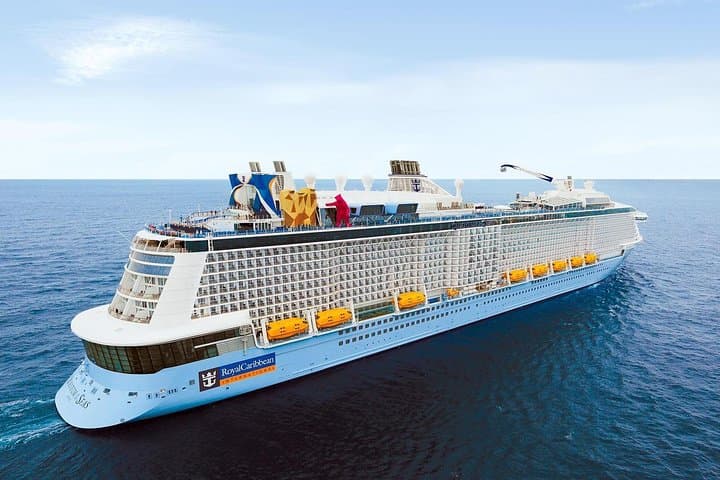
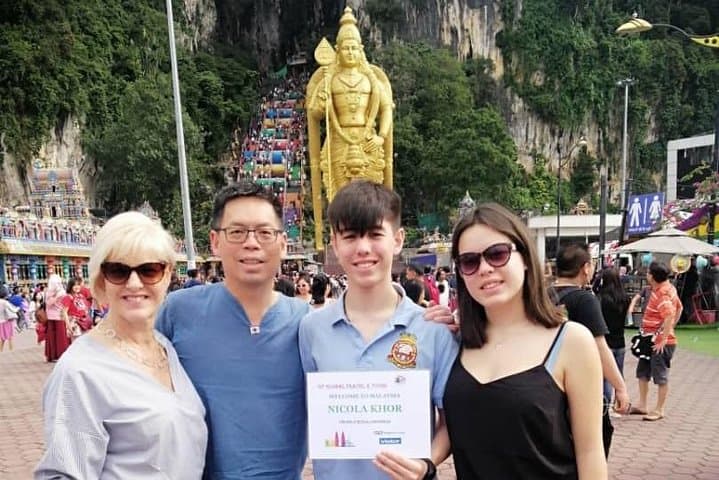
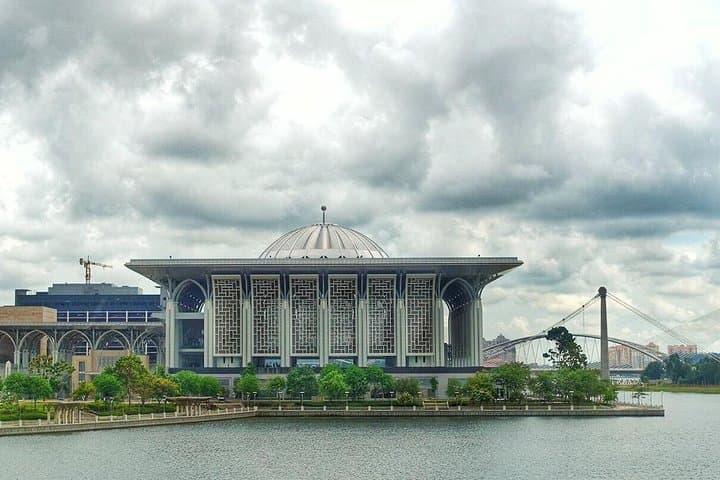
You step off the ship in Port Klang and the city’s traffic recedes as an air-conditioned vehicle hums south toward Putrajaya, the nation’s planned administrative capital. Glassy government domes and the pink blush of Putra Mosque rise above a man-made lake; the cable-stayed Seri Wawasan bridge cuts a clean silhouette against the water. Later, a limestone outcrop north of Kuala Lumpur waits—Batu Caves, its 272-step ascent framed by monkeys and color-washed shrines.
Verified experiences and guided adventures in the surrounding area.
Operated by RIYAS ADVENTURE · Putrajaya, Putrajaya
You step off the ship in Port Klang and the city’s traffic recedes as an air-conditioned vehicle hums south toward Putrajaya, the nation’s planned administrative capital. Glassy government domes and the pink blush of Putra Mosque rise above a man-made lake; the cable-stayed Seri Wawasan bridge cuts a clean silhouette against the water. Later, a limestone outcrop north of Kuala Lumpur waits—Batu Caves, its 272-step ascent framed by monkeys and color-washed shrines.
Putrajaya was built in the late 1990s to relieve Kuala Lumpur, its architecture borrowing from Islamic, Malay and modernist influences; Perdana Putra’s green dome houses the Prime Minister’s office. The area is engineered—Putrajaya Lake (about 650 hectares) cools the precinct and supports recreation. Batu Caves, by contrast, is a natural limestone formation with caves used for Hindu worship and seasonal festivals like Thaipusam. Rock faces here also attract climbers.
Expect a paced day: short photo stops at the Iron Mosque, Millennium Monument and Moroccan Pavilion, a 30-minute park walk at Anjung Floria, and 45 minutes at the caves that includes the staircase climb and temple time. The tour includes port pickup/drop-off, entrance fees and an English-speaking driver; access for strollers is noted, and infants must sit on laps.
Practical guidance: bring sun protection, respectful clothing for mosque and temple visits, and water for the Batu steps. Plan for urban sightseeing—flat walking interrupted by a steep staircase—and allow time for lines and photos if visiting during religious holidays.
easy.
6 hours.
Suitable for travelers in average physical condition; involves short walks and one steep stair climb of 272 steps at Batu Caves.
The tour is approximately 6 hours and includes port pickup/drop-off, entrance fees noted in the itinerary, an English-speaking driver and air-conditioned transport.
Yes—infants must sit on an adult’s lap and the tour notes stroller accessibility for Port Klang pickup and most stops, though stairs at Batu Caves are not stroller-friendly.
Expect short, flat walks at Putrajaya sites and a steep 272-step climb at Batu Caves to reach the main temple; otherwise the day is vehicle-based.
Perdana Putra and some official complexes are viewed from the outside only; the itinerary focuses on external viewpoints and public monuments.
Putrajaya was developed in the late 1990s as Malaysia’s administrative centre to ease congestion in Kuala Lumpur; Batu Caves has served as a Hindu worship site for more than a century and is central to Thaipusam celebrations.
Putrajaya’s lake and parklands are managed to regulate urban heat and provide green space; visitors should stick to paths and avoid feeding wildlife at Batu Caves to limit human-wildlife conflict.
RIYAS ADVENTURE operates guided outdoor trips and adventures with an emphasis on safety, stewardship, and memorable experiences.
You step off the ship in Port Klang and the city’s traffic recedes as an air-conditioned vehicle hums south toward Putrajaya, the nation’s planned administrative capital. Glassy government domes and the pink blush of Putra Mosque rise above a man-made lake; the cable-stayed Seri Wawasan bridge cuts a clean silhouette against the water. Later, a limestone outcrop north of Kuala Lumpur waits—Batu Caves, its 272-step ascent framed by monkeys and color-washed shrines.
You step off the ship in Port Klang and the city’s traffic recedes as an air-conditioned vehicle hums south toward Putrajaya, the nation’s planned administrative capital. Glassy government domes and the pink blush of Putra Mosque rise above a man-made lake; the cable-stayed Seri Wawasan bridge cuts a clean silhouette against the water. Later, a limestone outcrop north of Kuala Lumpur waits—Batu Caves, its 272-step ascent framed by monkeys and color-washed shrines.
Putrajaya was built in the late 1990s to relieve Kuala Lumpur, its architecture borrowing from Islamic, Malay and modernist influences; Perdana Putra’s green dome houses the Prime Minister’s office. The area is engineered—Putrajaya Lake (about 650 hectares) cools the precinct and supports recreation. Batu Caves, by contrast, is a natural limestone formation with caves used for Hindu worship and seasonal festivals like Thaipusam. Rock faces here also attract climbers.
Expect a paced day: short photo stops at the Iron Mosque, Millennium Monument and Moroccan Pavilion, a 30-minute park walk at Anjung Floria, and 45 minutes at the caves that includes the staircase climb and temple time. The tour includes port pickup/drop-off, entrance fees and an English-speaking driver; access for strollers is noted, and infants must sit on laps.
Practical guidance: bring sun protection, respectful clothing for mosque and temple visits, and water for the Batu steps. Plan for urban sightseeing—flat walking interrupted by a steep staircase—and allow time for lines and photos if visiting during religious holidays.