THE ADVENTURE COLLECTIVE® · Independent discovery and booking for outdoor travel

Experience Rajasthan’s iconic Pushkar Fair: thousands of camels, folk performance, and ritual life converge on desert sands. This guide covers what to expect, local insights, and practical tips for visiting the three-day mela.
Experience Rajasthan’s iconic Pushkar Fair: thousands of camels, folk performance, and ritual life converge on desert sands. This guide covers what to expect, local insights, and practical tips for visiting the three-day mela.
Early morning at Pushkar feels like a market waking up inside a sandstorm: low sun washes the dunes gold, traders move between rows of camels, and the air carries diesel, spices and the distant beat of folk drums. The fair spreads across open sand and the town’s lanes, with camel trading, livestock competitions, folk music and a giant wheel that lights the night.
Verified experiences and guided adventures in the surrounding area.
Operated by Splendid Taj Holidays · Pushkar, Rajasthan
Early morning at Pushkar feels like a market waking up inside a sandstorm: low sun washes the dunes gold, traders move between rows of camels, and the air carries diesel, spices and the distant beat of folk drums. The fair spreads across open sand and the town’s lanes, with camel trading, livestock competitions, folk music and a giant wheel that lights the night.
The Pushkar Fair grew from centuries of pilgrimage and pastoral trade tied to the Kartik month; its heart is Pushkar Lake and the lone Brahma Temple, making this both a religious gathering and a commercial hub. Geologically, the region sits on arid plains at the edge of the Thar, where wind-sculpted dunes meet scrub and seasonal grasses. Culturally, expect Rajasthani dress, camel ornamentation, and bargaining as performance.
On the ground you’ll walk soft sand paths between enclosures, climb low dunes for sunset, and thread narrow bazaar alleys. Watch animal shows and local dance, but remember the fair’s scale: crowds swell at daybreak and dusk.
Practical guidance: plan for strong sun, dusty conditions and cold nights; carry water, layered clothing and local currency for vendors. Book private transport from Delhi or Ajmer in advance and allow extra time for traffic into Pushkar. Respect temple protocols at the ghats, ask before photographing people or livestock, and leave no trace in fragile grazing areas. With basic preparation, the Pushkar Fair is a vivid, tactile window into Rajasthan’s pastoral life and devotional traditions.
easy.
3 days (approx. 72 hours).
Suitable for most fitness levels; expect much walking over sand and steps so moderate mobility helps.
The fair is held annually in the Kartik month (usually October–November on the Gregorian calendar); exact dates vary each year with the lunar calendar.
Most visitors take a private transfer or train to Ajmer then a short taxi to Pushkar; many tour options include pickup from Delhi, Noida or Agra.
Yes—families commonly attend, but expect crowds and loud events; keep children close around animal enclosures and busy streets.
Photography is allowed in most areas but always ask before photographing people or religious rituals and avoid flash in temples; some livestock traders may request payment for photos.
Pushkar is an ancient pilgrimage site centered on Pushkar Lake and the Brahma Temple; the fair evolved from centuries of livestock trading linked to Kartik pilgrimages.
The fair strains local water and waste systems; prioritize refillable containers, pack out trash, and avoid feeding or crowding animals to reduce stress on livestock.
Splendid Taj Holidays operates guided outdoor trips and adventures with an emphasis on safety, stewardship, and memorable experiences.
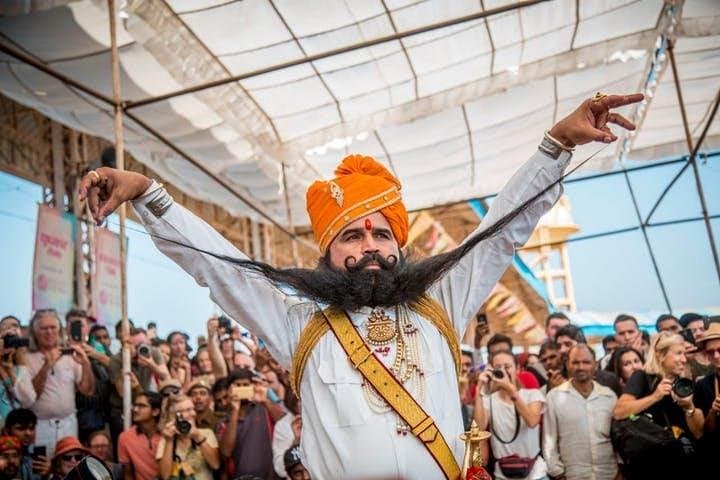
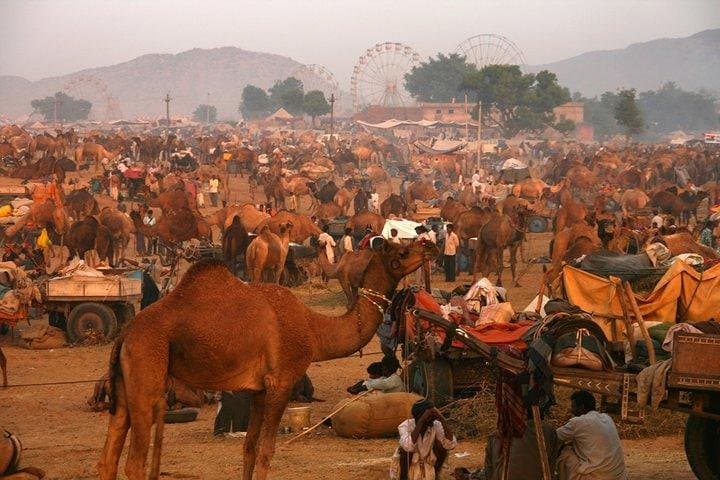
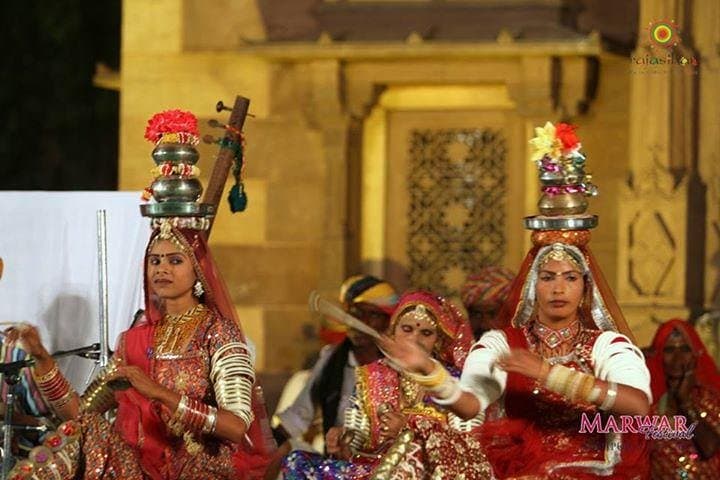
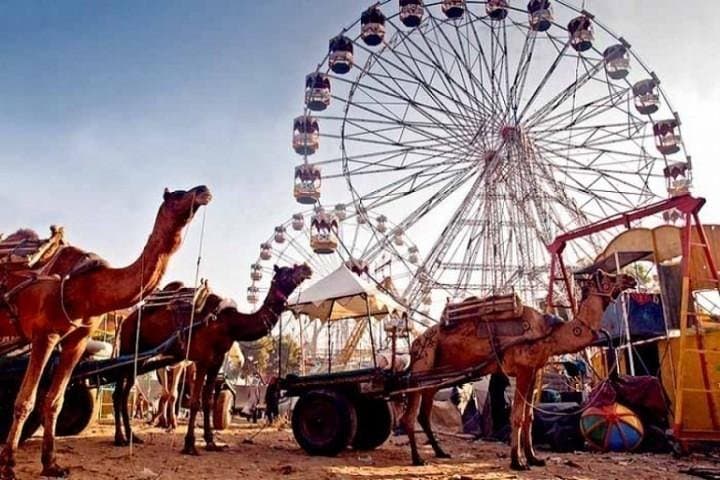
Early morning at Pushkar feels like a market waking up inside a sandstorm: low sun washes the dunes gold, traders move between rows of camels, and the air carries diesel, spices and the distant beat of folk drums. The fair spreads across open sand and the town’s lanes, with camel trading, livestock competitions, folk music and a giant wheel that lights the night.
Early morning at Pushkar feels like a market waking up inside a sandstorm: low sun washes the dunes gold, traders move between rows of camels, and the air carries diesel, spices and the distant beat of folk drums. The fair spreads across open sand and the town’s lanes, with camel trading, livestock competitions, folk music and a giant wheel that lights the night.
The Pushkar Fair grew from centuries of pilgrimage and pastoral trade tied to the Kartik month; its heart is Pushkar Lake and the lone Brahma Temple, making this both a religious gathering and a commercial hub. Geologically, the region sits on arid plains at the edge of the Thar, where wind-sculpted dunes meet scrub and seasonal grasses. Culturally, expect Rajasthani dress, camel ornamentation, and bargaining as performance.
On the ground you’ll walk soft sand paths between enclosures, climb low dunes for sunset, and thread narrow bazaar alleys. Watch animal shows and local dance, but remember the fair’s scale: crowds swell at daybreak and dusk.
Practical guidance: plan for strong sun, dusty conditions and cold nights; carry water, layered clothing and local currency for vendors. Book private transport from Delhi or Ajmer in advance and allow extra time for traffic into Pushkar. Respect temple protocols at the ghats, ask before photographing people or livestock, and leave no trace in fragile grazing areas. With basic preparation, the Pushkar Fair is a vivid, tactile window into Rajasthan’s pastoral life and devotional traditions.