THE ADVENTURE COLLECTIVE® · Independent discovery and booking for outdoor travel

Spend a day in Pushkar visiting the rare Brahma Temple, walking the sacred ghats, exploring the bustling bazaars, riding a camel through nearby dunes, and taking the Savitri ropeway for sunset views. This full-day tour combines culture, light adventure, and local cuisine.
Spend a day in Pushkar visiting the rare Brahma Temple, walking the sacred ghats, exploring the bustling bazaars, riding a camel through nearby dunes, and taking the Savitri ropeway for sunset views. This full-day tour combines culture, light adventure, and local cuisine.
Dust lifts off a sandy lane as the tour vehicle pulls into Pushkar at first light. Pilgrims moving toward the 52 ghats, the copper domes of Brahma Temple catching the sun—this is a town that greets the day with ritual and color. The desert around Pushkar exhales slowly; camels amble, dunes curve like a slow-moving sea, and the ropeway up to Savitri Mata cuts a modern line against old stone.
Verified experiences and guided adventures in the surrounding area.
Operated by Sun Leisure World India · Pushkar, Rajasthan
Dust lifts off a sandy lane as the tour vehicle pulls into Pushkar at first light. Pilgrims moving toward the 52 ghats, the copper domes of Brahma Temple catching the sun—this is a town that greets the day with ritual and color. The desert around Pushkar exhales slowly; camels amble, dunes curve like a slow-moving sea, and the ropeway up to Savitri Mata cuts a modern line against old stone.
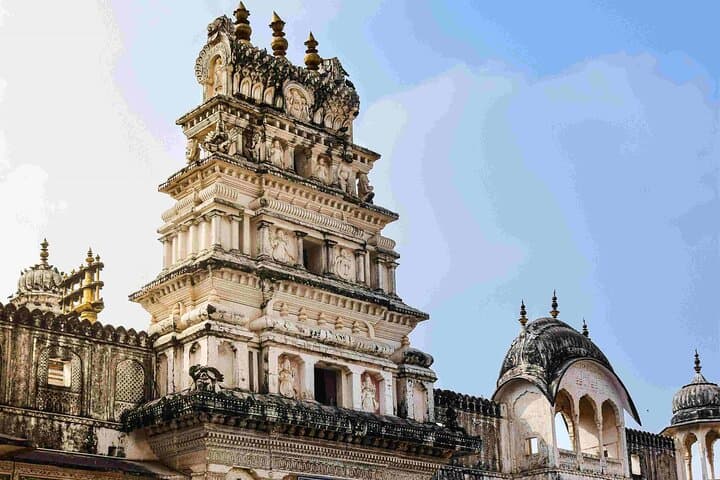
Pushkar is one of India’s oldest pilgrimage centers, famed for the rare Brahma Temple and the sacred lake where devotees perform ablutions. Geologically, the area is arid plain and sand flats that frame the town; culturally it’s a crossroads of Rajasthani craft, commerce, and devotion. The Rangji Temple adds architectural variety with South Indian and Mughal influences, while the Camel Fairgrounds recall centuries of livestock trade and seasonal gathering.
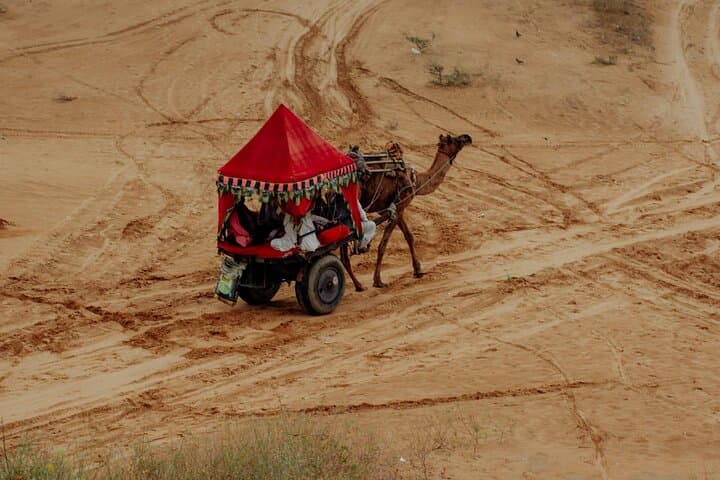
Expect a full-day rhythm: guided visits to temple ghats, a walking tour of the market with time to shop for textiles and silver, a 1–2 hour camel safari across rolling sand, and a ropeway ride to Savitri Mata for broad valley views at sunset. The guide handles logistics—temple etiquette, bargaining tips, and a traditional Rajasthani lunch.
Practical notes: wear sun-covering clothing and comfortable closed shoes, carry at least 1–2 liters of water, and plan for strong daytime heat and cooler evenings. Cameras are welcome, but always ask before photographing worshippers. This itinerary balances cultural immersion with light adventure—ideal for travelers who want a single-day, high-impact experience of Pushkar.
easy.
9 hours.
Suitable for light active travelers comfortable with walking and short camel rides
Ropeway charges are noted as included in the tour information; confirm at booking and on pickup.
Children often join camel rides; infants should secure on an adult’s lap and the operator will advise age or weight limits.
Most temple visits are free, but some areas may request donations; follow guide instructions to avoid delays.
Yes, but temperatures vary—winters are cool and pleasant, summers can be very hot; plan clothing and hydration accordingly.
Pushkar has been a pilgrimage site for centuries, anchored by the rare Brahma Temple and the sacred lake that draws Hindu pilgrims and seasonal fairs.
The lake and ghats face pressures from tourism and water use—minimize plastic, stay on designated paths, and follow local guidelines to protect the shoreline.
Sun Leisure World India operates guided outdoor trips and adventures with an emphasis on safety, stewardship, and memorable experiences.
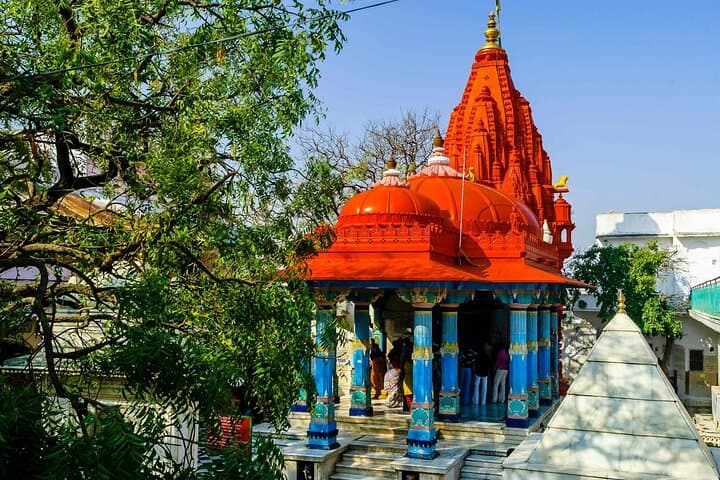
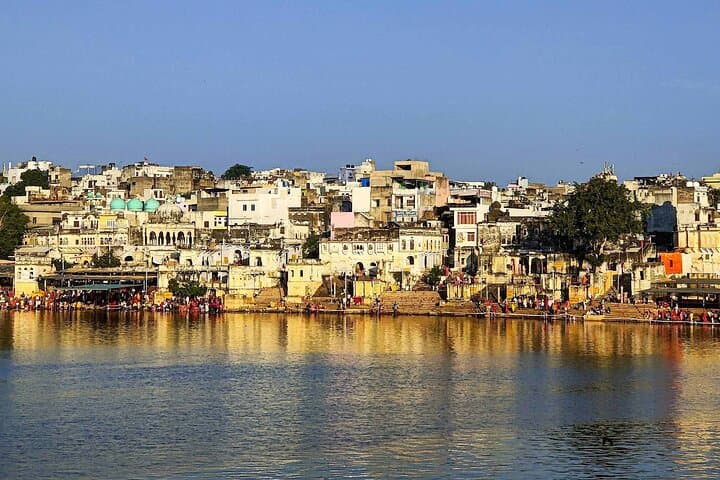
Dust lifts off a sandy lane as the tour vehicle pulls into Pushkar at first light. Pilgrims moving toward the 52 ghats, the copper domes of Brahma Temple catching the sun—this is a town that greets the day with ritual and color. The desert around Pushkar exhales slowly; camels amble, dunes curve like a slow-moving sea, and the ropeway up to Savitri Mata cuts a modern line against old stone.
Dust lifts off a sandy lane as the tour vehicle pulls into Pushkar at first light. Pilgrims moving toward the 52 ghats, the copper domes of Brahma Temple catching the sun—this is a town that greets the day with ritual and color. The desert around Pushkar exhales slowly; camels amble, dunes curve like a slow-moving sea, and the ropeway up to Savitri Mata cuts a modern line against old stone.
Pushkar is one of India’s oldest pilgrimage centers, famed for the rare Brahma Temple and the sacred lake where devotees perform ablutions. Geologically, the area is arid plain and sand flats that frame the town; culturally it’s a crossroads of Rajasthani craft, commerce, and devotion. The Rangji Temple adds architectural variety with South Indian and Mughal influences, while the Camel Fairgrounds recall centuries of livestock trade and seasonal gathering.
Expect a full-day rhythm: guided visits to temple ghats, a walking tour of the market with time to shop for textiles and silver, a 1–2 hour camel safari across rolling sand, and a ropeway ride to Savitri Mata for broad valley views at sunset. The guide handles logistics—temple etiquette, bargaining tips, and a traditional Rajasthani lunch.
Practical notes: wear sun-covering clothing and comfortable closed shoes, carry at least 1–2 liters of water, and plan for strong daytime heat and cooler evenings. Cameras are welcome, but always ask before photographing worshippers. This itinerary balances cultural immersion with light adventure—ideal for travelers who want a single-day, high-impact experience of Pushkar.