THE ADVENTURE COLLECTIVE® · Independent discovery and booking for outdoor travel

Spend a day from Jaipur exploring Pushkar’s sacred lake, the rare Brahma Temple, vibrant markets and a camel ride through desert tracks. This private tour pairs cultural insight with practical logistics—ideal for a single‑day immersion into Rajasthan’s spiritual heart.
Spend a day from Jaipur exploring Pushkar’s sacred lake, the rare Brahma Temple, vibrant markets and a camel ride through desert tracks. This private tour pairs cultural insight with practical logistics—ideal for a single‑day immersion into Rajasthan’s spiritual heart.
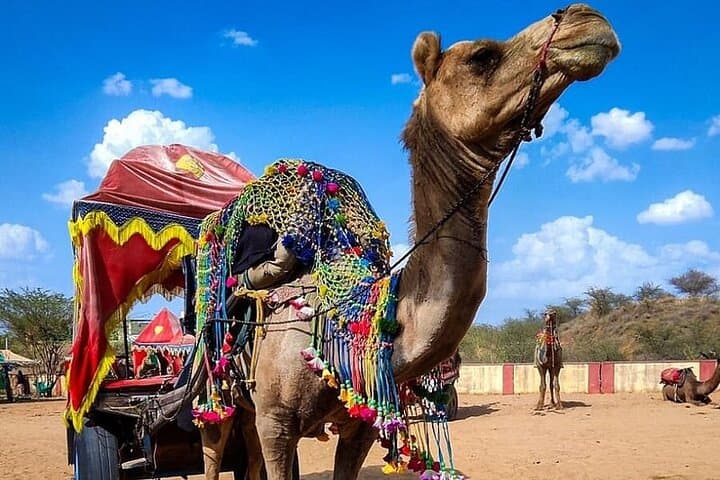
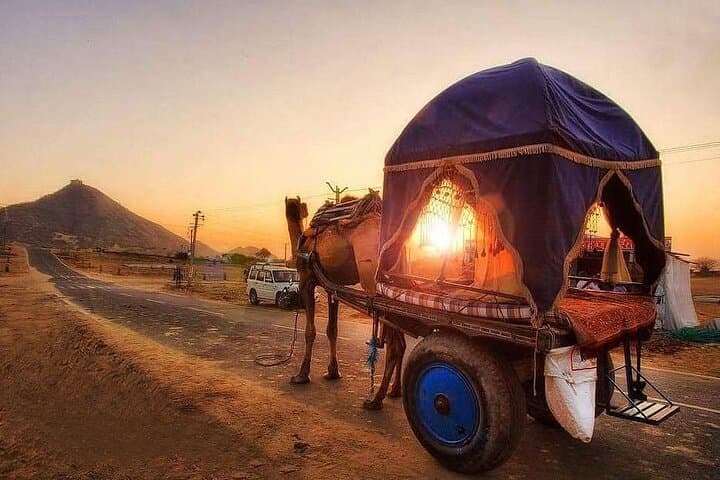
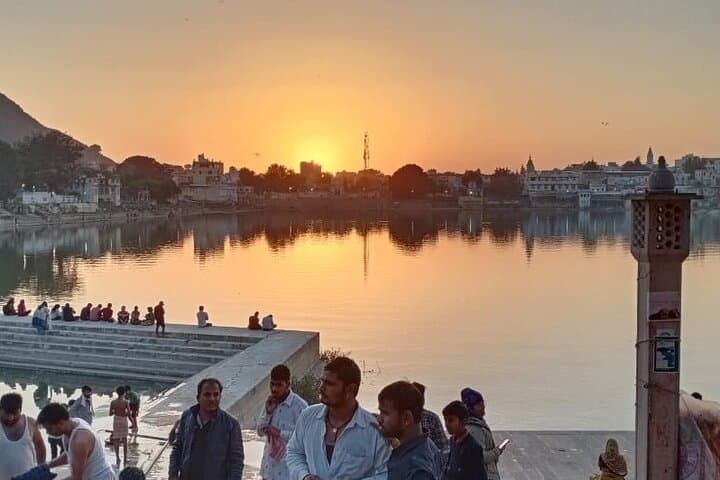
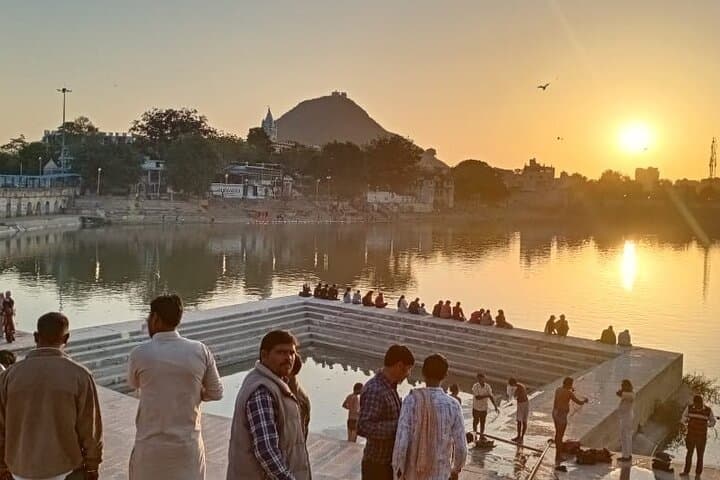
The bus hums out of Jaipur before sunrise and the desert opens like a page of pale gold; by the time Pushkar appears the city is a scatter of whitewashed houses around a placid ring of water. Visitors step from an air‑conditioned vehicle into heat, spice, and a steady rhythm of ritual—pilgrims at ghats, a saffron flag above an ancient sanctum, and camels moving along sandy tracks.
Verified experiences and guided adventures in the surrounding area.
Operated by Jaipur Day Tours · Pushkar, Rajasthan
The bus hums out of Jaipur before sunrise and the desert opens like a page of pale gold; by the time Pushkar appears the city is a scatter of whitewashed houses around a placid ring of water. Visitors step from an air‑conditioned vehicle into heat, spice, and a steady rhythm of ritual—pilgrims at ghats, a saffron flag above an ancient sanctum, and camels moving along sandy tracks.
Pushkar’s compact history is visible in stone: the Brahma Temple, one of the very few in India dedicated to the creator god, stands against the lake that pilgrims believe cleanses sin. Geologically, the basin sits on the Aravalli foothills, where low ridges channel winds that shape the sand and scrub. Culturally, Pushkar markets trade textiles, silver and rose products carried down from nearby farms; the town’s annual camel fair is a reminder of its desert hinterland ties.
On a private day trip from Jaipur expect a three‑hour drive each way, a short guided visit to Brahma Temple, a circuit of Pushkar Lake’s ghats, a one‑hour camel ride across sandy tracks, and an optional cable car to Savitri Temple for a high, panoramic view. Lunch and market time are typically included.
Practical guidance: start early to avoid midday heat, carry water and sun protection, and dress respectfully at religious sites (shoulders and knees covered). Cash is useful in the market for bargaining; keep small denominations for temple offerings. If you have mobility concerns, note that ghats and temple entrances often have steps. With basic planning this day trip is an accessible, sensory introduction to Rajasthan’s spiritual desert landscape.
easy.
10–11 hours.
Light fitness needed: mostly seated driving with short walks, steps at ghats and a gentle camel ride.
The private transfer typically takes about three hours each way, depending on traffic and stops.
This tour usually includes guided visits and transport; specific admissions like the cable car or optional jeep rides may cost extra—confirm at booking.
Most camel rides are gentle and short, but those with back issues or serious mobility limitations should avoid them; inform the operator ahead of time.
Yes—bargaining is expected for textiles, jewelry and crafts; start lower than your target and be polite during negotiations.
Pushkar is an ancient pilgrimage site tied to Hindu scripture and trade routes; its Brahma Temple dates back several centuries and the lake has been a focal point for rituals for generations.
Tourism puts pressure on water and waste in this arid region—use refillable water bottles, avoid single‑use plastics, and respect local waste practices to reduce impact.
Jaipur Day Tours operates guided outdoor trips and adventures with an emphasis on safety, stewardship, and memorable experiences.
The bus hums out of Jaipur before sunrise and the desert opens like a page of pale gold; by the time Pushkar appears the city is a scatter of whitewashed houses around a placid ring of water. Visitors step from an air‑conditioned vehicle into heat, spice, and a steady rhythm of ritual—pilgrims at ghats, a saffron flag above an ancient sanctum, and camels moving along sandy tracks.
The bus hums out of Jaipur before sunrise and the desert opens like a page of pale gold; by the time Pushkar appears the city is a scatter of whitewashed houses around a placid ring of water. Visitors step from an air‑conditioned vehicle into heat, spice, and a steady rhythm of ritual—pilgrims at ghats, a saffron flag above an ancient sanctum, and camels moving along sandy tracks.
Pushkar’s compact history is visible in stone: the Brahma Temple, one of the very few in India dedicated to the creator god, stands against the lake that pilgrims believe cleanses sin. Geologically, the basin sits on the Aravalli foothills, where low ridges channel winds that shape the sand and scrub. Culturally, Pushkar markets trade textiles, silver and rose products carried down from nearby farms; the town’s annual camel fair is a reminder of its desert hinterland ties.
On a private day trip from Jaipur expect a three‑hour drive each way, a short guided visit to Brahma Temple, a circuit of Pushkar Lake’s ghats, a one‑hour camel ride across sandy tracks, and an optional cable car to Savitri Temple for a high, panoramic view. Lunch and market time are typically included.
Practical guidance: start early to avoid midday heat, carry water and sun protection, and dress respectfully at religious sites (shoulders and knees covered). Cash is useful in the market for bargaining; keep small denominations for temple offerings. If you have mobility concerns, note that ghats and temple entrances often have steps. With basic planning this day trip is an accessible, sensory introduction to Rajasthan’s spiritual desert landscape.