THE ADVENTURE COLLECTIVE® · Independent discovery and booking for outdoor travel

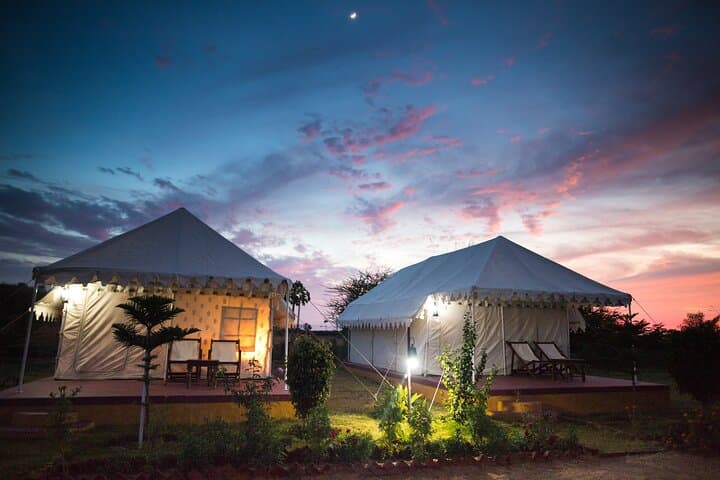
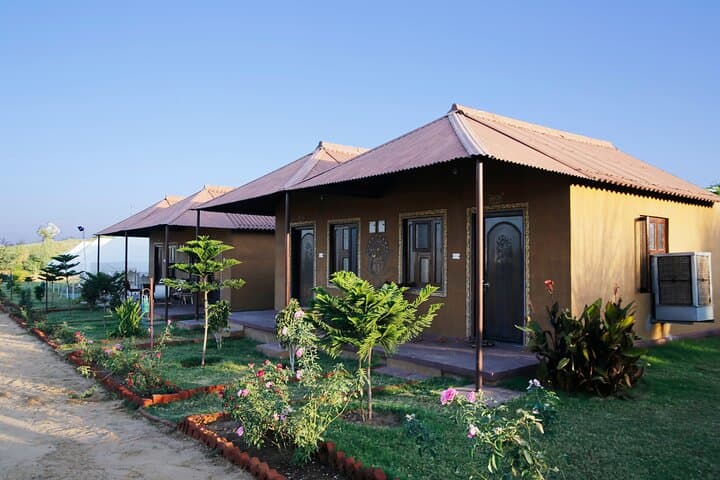
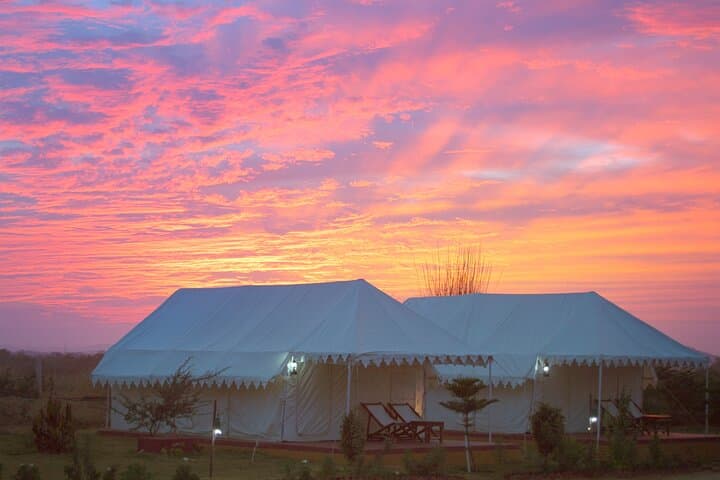
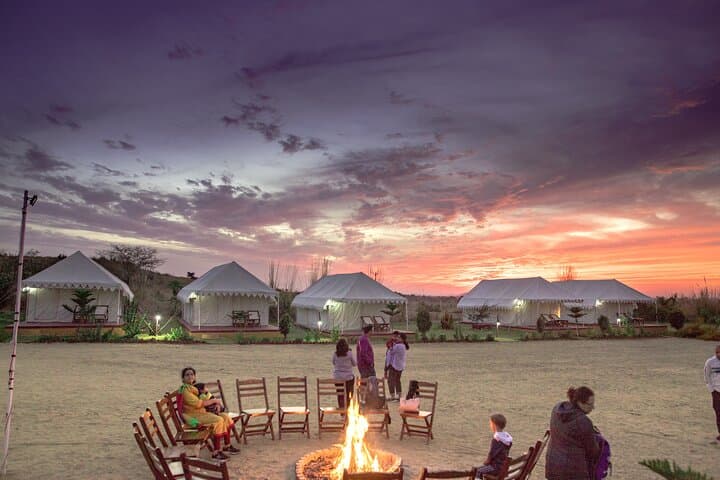
Ride into golden Thar dusk from Pushkar fair ground, watch a desert sunset from a well-known vantage, then sleep by a bonfire in a desert camp. This compact overnight combines a one-hour camel ride, Rajasthani dinner, and cultural color suited to travelers with moderate fitness.
Ride into golden Thar dusk from Pushkar fair ground, watch a desert sunset from a well-known vantage, then sleep by a bonfire in a desert camp. This compact overnight combines a one-hour camel ride, Rajasthani dinner, and cultural color suited to travelers with moderate fitness.
Late afternoon light liquefies the dunes as a line of camels ambles away from Pushkar fair ground toward a low ridge known as the sunset point. The ride is steady and deliberate—the animals seem to measure the horizon—while desert bikes hum at a distance and vendors in bright cloth offer turbans and ghagras for a quick portrait.
Verified experiences and guided adventures in the surrounding area.
Operated by Pushkar Camel Safari · Pushkar, Rajasthan
Late afternoon light liquefies the dunes as a line of camels ambles away from Pushkar fair ground toward a low ridge known as the sunset point. The ride is steady and deliberate—the animals seem to measure the horizon—while desert bikes hum at a distance and vendors in bright cloth offer turbans and ghagras for a quick portrait.
This stretch of the Thar lies on centuries-old caravan routes; Pushkar itself is a layered place of pilgrimage and commerce, anchored by the 14th-century Brahma Temple and the holy Pushkar Lake. Geologically the landscape is wind-sculpted sand and compacted alluvium, punctuated by scrub and occasional acacia. Culturally, the camp evening centers on Rajasthani hospitality: a one-hour camel ride, a simple Rajasthani dinner by bonfire, folk music, and a night under canvas.
Practical guidance: departures from the fair ground are mid-afternoon (3:30 PM typical), with the camel leg timed for sunset and the camp stay lasting overnight. Expect uneven sandy terrain when mounting and walking; moderate fitness is required. Bring sunscreen, a head cover, closed-toe shoes, and a refillable water bottle; cash is useful for renting traditional dress or tipping. Pregnant travelers and those with serious back problems should avoid the camel leg. The camp provides dinner and blankets, but nights can be cool—pack a light layer.
This trip balances an accessible wildlife-adjacent encounter with cultural color: it’s a short, sensory way to experience the desert’s wide sky and Pushkar’s living traditions without heavy trekking or technical gear.
moderate.
24 hours (overnight experience).
Moderate fitness: able to mount/dismount a camel, walk on uneven sand, and tolerate basic camp accommodations.
The organized camel ride included in the experience is approximately one hour, timed to reach sunset point before returning to camp.
Most itineraries start at Pushkar fair ground; confirm pickup options when booking—many travelers arrange their own transport or use local taxis.
Dinner and a morning breakfast are typically included, along with basic bedding and blankets in the camp; bring personal sleep layers if you sleep cold.
Children can usually participate, but pregnant travelers and people with severe back or mobility issues are advised not to ride camels; check provider guidance when booking.
Pushkar grew as a pilgrimage town around its sacred lake and the rare Brahma Temple; the annual camel fair evolved from livestock trading routes and remains a major cultural event.
Water scarcity and waste are concerns in the Thar—use refillable bottles, dispose of trash properly, and choose camps that follow local waste management practices.
Pushkar Camel Safari operates guided outdoor trips and adventures with an emphasis on safety, stewardship, and memorable experiences.
Late afternoon light liquefies the dunes as a line of camels ambles away from Pushkar fair ground toward a low ridge known as the sunset point. The ride is steady and deliberate—the animals seem to measure the horizon—while desert bikes hum at a distance and vendors in bright cloth offer turbans and ghagras for a quick portrait.
Late afternoon light liquefies the dunes as a line of camels ambles away from Pushkar fair ground toward a low ridge known as the sunset point. The ride is steady and deliberate—the animals seem to measure the horizon—while desert bikes hum at a distance and vendors in bright cloth offer turbans and ghagras for a quick portrait.
This stretch of the Thar lies on centuries-old caravan routes; Pushkar itself is a layered place of pilgrimage and commerce, anchored by the 14th-century Brahma Temple and the holy Pushkar Lake. Geologically the landscape is wind-sculpted sand and compacted alluvium, punctuated by scrub and occasional acacia. Culturally, the camp evening centers on Rajasthani hospitality: a one-hour camel ride, a simple Rajasthani dinner by bonfire, folk music, and a night under canvas.
Practical guidance: departures from the fair ground are mid-afternoon (3:30 PM typical), with the camel leg timed for sunset and the camp stay lasting overnight. Expect uneven sandy terrain when mounting and walking; moderate fitness is required. Bring sunscreen, a head cover, closed-toe shoes, and a refillable water bottle; cash is useful for renting traditional dress or tipping. Pregnant travelers and those with serious back problems should avoid the camel leg. The camp provides dinner and blankets, but nights can be cool—pack a light layer.
This trip balances an accessible wildlife-adjacent encounter with cultural color: it’s a short, sensory way to experience the desert’s wide sky and Pushkar’s living traditions without heavy trekking or technical gear.