THE ADVENTURE COLLECTIVE® · Independent discovery and booking for outdoor travel

A two-day guided trek from Litochoro to the Plateau of the Muses and the summit of Mytikas. Expect long ascents, exposed scrambling near the top, shelter overnights, and sweeping Aegean views when conditions allow.
A two-day guided trek from Litochoro to the Plateau of the Muses and the summit of Mytikas. Expect long ascents, exposed scrambling near the top, shelter overnights, and sweeping Aegean views when conditions allow.
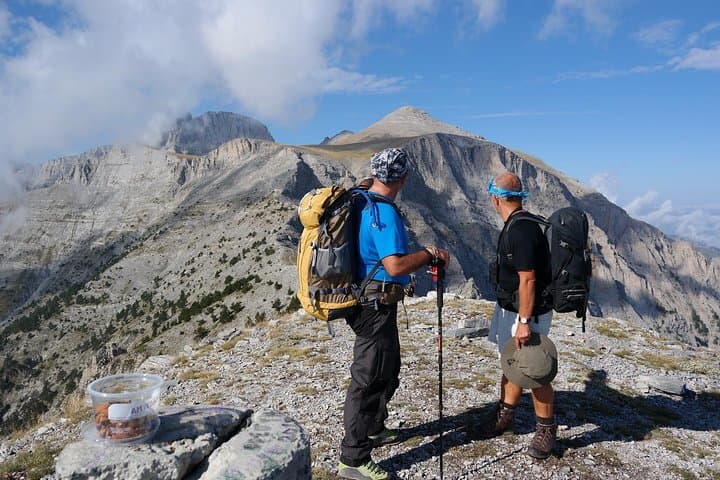
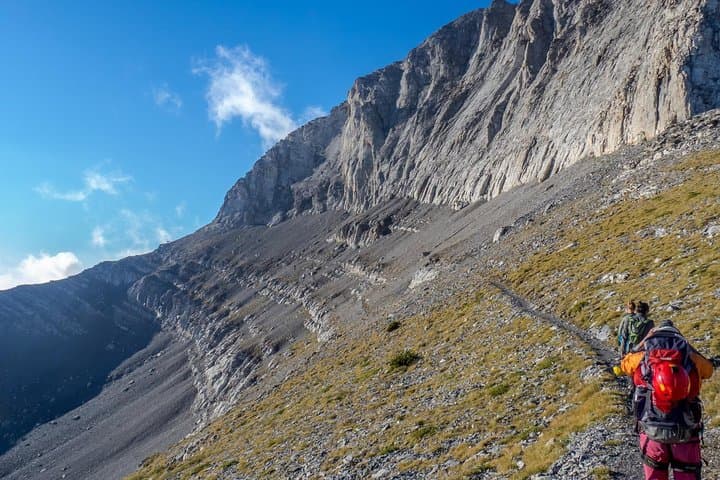
You leave Litochoro before dawn and the town’s last lights fall away as the road climbs to Gkortsia. Pines press close, a cold wind tugs at your jacket, and the path angles up through gullies of limestone that the sun will paint gold by noon. The trail moves from forested switchbacks into the raw, stony amphitheater of the Plateau of the Muses — an open bowl that dares you to keep going toward Mytikas.
Verified experiences and guided adventures in the surrounding area.
Operated by Greek Adventure · Litochoro, Pieria
You leave Litochoro before dawn and the town’s last lights fall away as the road climbs to Gkortsia. Pines press close, a cold wind tugs at your jacket, and the path angles up through gullies of limestone that the sun will paint gold by noon. The trail moves from forested switchbacks into the raw, stony amphitheater of the Plateau of the Muses — an open bowl that dares you to keep going toward Mytikas.
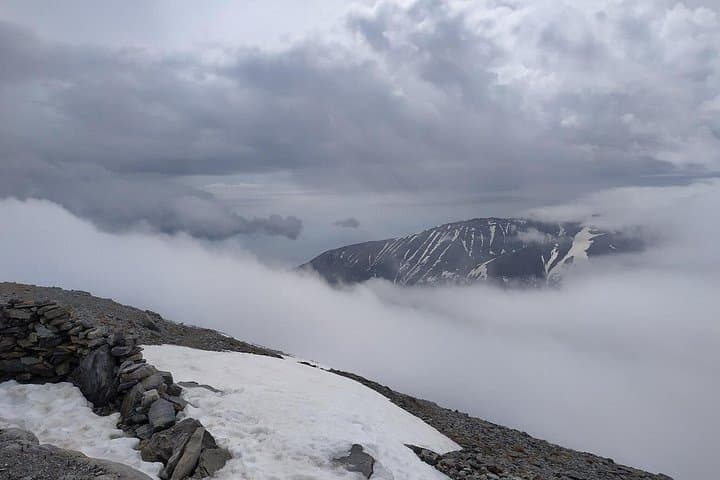
Mount Olympus is both a cultural landmark and a rugged mountain range: a folded limestone massif that rises abruptly from the Aegean coast, long associated with Greek mythology and long-tested by shepherds and climbers. The refuges on the Moussa plateau are simple but storied — communal spaces where weather reports, boiled coffee, and route decisions are shared. Expect scree, exposed ridgelines, and short sections of scrambling near the summit; your guide decides whether conditions allow the final push to Mytikas (2,918 m).
Practical details are straightforward. Day 1 covers roughly 13.5 km with about 1,600 m of ascent (7–8 hours), moving from ~1,123 m up toward 2,724 m. Day 2 is an early start for the summit and a long descent to Prionia (8–9 hours). Carry 40–50 L pack with waterproof liner, sturdy worn-in boots, layered clothing, and a headlamp. Hydrate often; weather swings quickly and the guide will alter plans for safety. The trip demands good fitness, comfort with exposure and basic scrambling, and respect for mountain conditions — the payoff is sweeping views over the Olympus massif and the Aegean beyond.
challenging.
2 days (7–9 hours hiking per day).
Good cardiovascular fitness and strong legs; comfortable with long, sustained ascents and some exposed scrambling.
No technical climbing is required for the normal route, but there is exposed scrambling near the summit; guides will assess conditions and client ability before attempting the final section.
Day 1 is about 13.5 km with ~1,609 m ascent from ~1,123 m to peaks around 2,724 m; Day 2 includes the ascent to Mytikas (2,918 m) and a long descent to Prionia—plan for 7–9 hours each day.
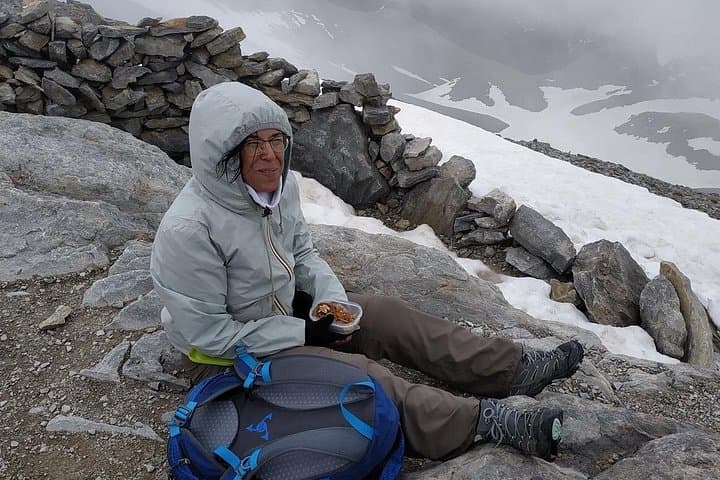
Refuges are basic mountain shelters offering dormitory-style sleeping and simple meals; supplements are available for half or full board as noted by the operator.
Guides will call off summit pushes for unsafe weather, poor client condition, or significant snow/ice on the route; safety decisions are made on the day.
Olympus has been central to Greek myth as the home of the gods and a historical borderland for Thessaly and Macedonia; shepherding and early ascents date to the 19th century.
The Olympus National Park protects rare high-altitude flora and enforces trail etiquette; stick to marked paths and pack out waste to limit erosion and habitat disturbance.
Greek Adventure operates guided outdoor trips and adventures with an emphasis on safety, stewardship, and memorable experiences.
You leave Litochoro before dawn and the town’s last lights fall away as the road climbs to Gkortsia. Pines press close, a cold wind tugs at your jacket, and the path angles up through gullies of limestone that the sun will paint gold by noon. The trail moves from forested switchbacks into the raw, stony amphitheater of the Plateau of the Muses — an open bowl that dares you to keep going toward Mytikas.
You leave Litochoro before dawn and the town’s last lights fall away as the road climbs to Gkortsia. Pines press close, a cold wind tugs at your jacket, and the path angles up through gullies of limestone that the sun will paint gold by noon. The trail moves from forested switchbacks into the raw, stony amphitheater of the Plateau of the Muses — an open bowl that dares you to keep going toward Mytikas.
Mount Olympus is both a cultural landmark and a rugged mountain range: a folded limestone massif that rises abruptly from the Aegean coast, long associated with Greek mythology and long-tested by shepherds and climbers. The refuges on the Moussa plateau are simple but storied — communal spaces where weather reports, boiled coffee, and route decisions are shared. Expect scree, exposed ridgelines, and short sections of scrambling near the summit; your guide decides whether conditions allow the final push to Mytikas (2,918 m).
Practical details are straightforward. Day 1 covers roughly 13.5 km with about 1,600 m of ascent (7–8 hours), moving from ~1,123 m up toward 2,724 m. Day 2 is an early start for the summit and a long descent to Prionia (8–9 hours). Carry 40–50 L pack with waterproof liner, sturdy worn-in boots, layered clothing, and a headlamp. Hydrate often; weather swings quickly and the guide will alter plans for safety. The trip demands good fitness, comfort with exposure and basic scrambling, and respect for mountain conditions — the payoff is sweeping views over the Olympus massif and the Aegean beyond.