THE ADVENTURE COLLECTIVE® · Independent discovery and booking for outdoor travel

Spend a full day from Nairobi learning to pick purple tea, touring an orthodox processing line, walking to a small waterfall and tasting specialty teas. This hands-on farm visit mixes light hiking with cultural insight and a three-course lunch.
Spend a full day from Nairobi learning to pick purple tea, touring an orthodox processing line, walking to a small waterfall and tasting specialty teas. This hands-on farm visit mixes light hiking with cultural insight and a three-course lunch.
A cool mist threads through the rows of purple-tinted bushes as you step off the minibus — the farm’s soil smells of wet loam and fresh cut leaves. The day begins with a short welcome at the farmhouse and the steady rhythm of hand-picked leaves being gathered into wicker baskets. You follow family members into the fields, fingers soon stained by the deep hues of young purple tea shoots that seem to hold the light differently than green rows.
Verified experiences and guided adventures in the surrounding area.
Operated by African Authentic Safaris Ltd · Nairobi, Nairobi County
A cool mist threads through the rows of purple-tinted bushes as you step off the minibus — the farm’s soil smells of wet loam and fresh cut leaves. The day begins with a short welcome at the farmhouse and the steady rhythm of hand-picked leaves being gathered into wicker baskets. You follow family members into the fields, fingers soon stained by the deep hues of young purple tea shoots that seem to hold the light differently than green rows.
Tea farming in Kenya evolved from colonial plantations to diverse smallholdings; this estate practices traditional orthodox processing that shaped much of the country’s tea export history. The land here is volcanic in origin, soils rich and well draining, with the nature trail climbing roughly 2 km to a waterfall — expect about 80–120 m of elevation gain on compact dirt and occasional stone steps.
Culturally, tea is both daily ritual and commercial lifeline; the tasting session highlights local varietals — purple, orthodox black, oolong and floral infusions — and explains harvest cycles and health claims in plain terms.
Practical guidance: plan for a 9-hour roundtrip (about 1.5 hours each way from Nairobi), wear sturdy closed-toe shoes for uneven, sometimes slippery ground, and bring sun protection and a light rain layer. Hydrate before the walk; the tasting and lunch provide breaks. If you want to buy leaf, bring cash or card and allow time to visit the mill. The tour suits travelers seeking gentle outdoor activity with cultural depth and hands-on learning.
easy.
9 hours.
Suitable for most fitness levels; requires walking up to 2 km with ~80–120 m elevation gain on uneven ground
Expect roughly 1.5 hours each way depending on traffic — the total tour length is about 9 hours including travel.
Yes—strollers are accessible and infants can sit on laps, but the walk and farm terrain may be challenging for very young children.
Yes — the itinerary includes hands-on tea picking and you can carry the leaves for processing during the visit.
Yes, the visit usually includes an opportunity to purchase fresh loose-leaf teas directly from the mill or farm shop.
Tea cultivation in Kenya expanded under colonial-era plantations; many modern smallholder farms now combine traditional orthodox processing with specialty varietals like purple tea.
Support smallholder tea farms that use selective hand-plucking and low-impact processing; stick to marked trails and avoid disturbing riparian zones near the waterfall.
African Authentic Safaris Ltd operates guided outdoor trips and adventures with an emphasis on safety, stewardship, and memorable experiences.
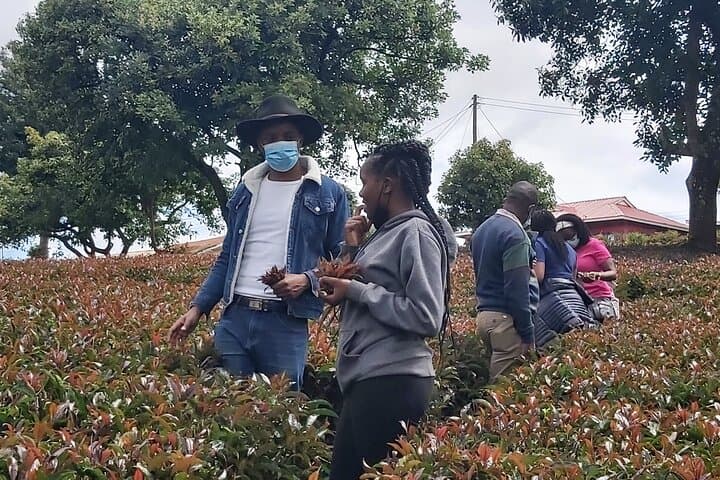
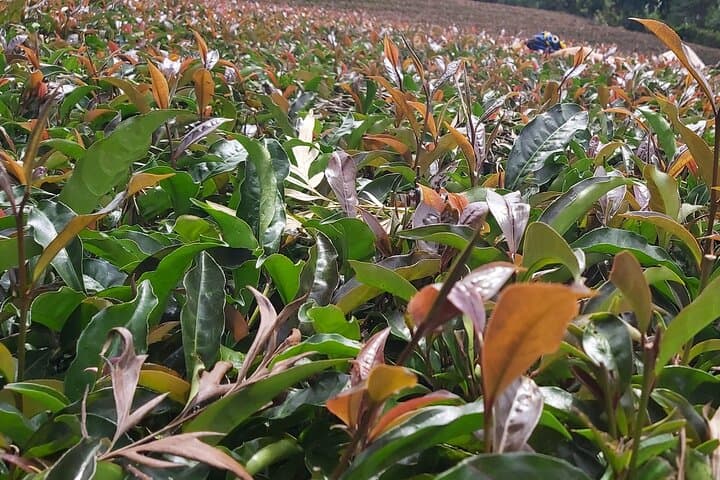
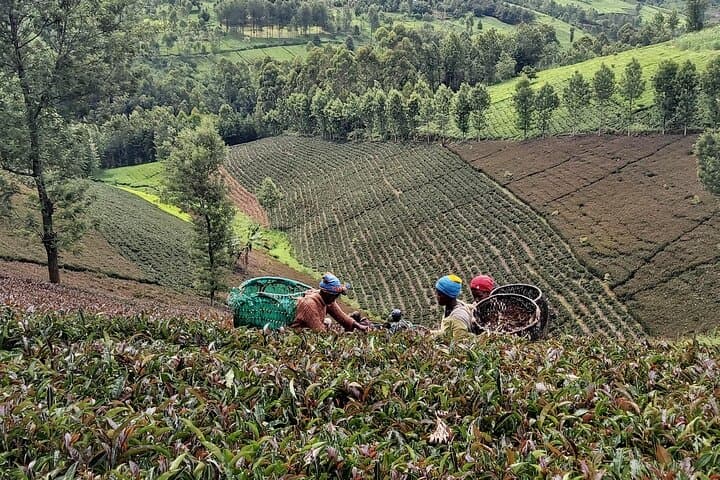
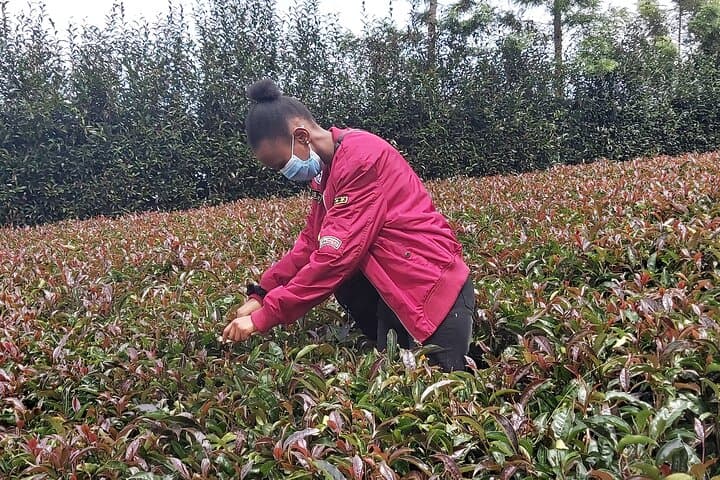
A cool mist threads through the rows of purple-tinted bushes as you step off the minibus — the farm’s soil smells of wet loam and fresh cut leaves. The day begins with a short welcome at the farmhouse and the steady rhythm of hand-picked leaves being gathered into wicker baskets. You follow family members into the fields, fingers soon stained by the deep hues of young purple tea shoots that seem to hold the light differently than green rows.
A cool mist threads through the rows of purple-tinted bushes as you step off the minibus — the farm’s soil smells of wet loam and fresh cut leaves. The day begins with a short welcome at the farmhouse and the steady rhythm of hand-picked leaves being gathered into wicker baskets. You follow family members into the fields, fingers soon stained by the deep hues of young purple tea shoots that seem to hold the light differently than green rows.
Tea farming in Kenya evolved from colonial plantations to diverse smallholdings; this estate practices traditional orthodox processing that shaped much of the country’s tea export history. The land here is volcanic in origin, soils rich and well draining, with the nature trail climbing roughly 2 km to a waterfall — expect about 80–120 m of elevation gain on compact dirt and occasional stone steps.
Culturally, tea is both daily ritual and commercial lifeline; the tasting session highlights local varietals — purple, orthodox black, oolong and floral infusions — and explains harvest cycles and health claims in plain terms.
Practical guidance: plan for a 9-hour roundtrip (about 1.5 hours each way from Nairobi), wear sturdy closed-toe shoes for uneven, sometimes slippery ground, and bring sun protection and a light rain layer. Hydrate before the walk; the tasting and lunch provide breaks. If you want to buy leaf, bring cash or card and allow time to visit the mill. The tour suits travelers seeking gentle outdoor activity with cultural depth and hands-on learning.