THE ADVENTURE COLLECTIVE® · Independent discovery and booking for outdoor travel

Rise before dawn for a short hill climb to Punthuk Setumbu, where the first light reveals Borobudur’s stupas across mist-filled rice terraces. This private tour pairs a sunrise viewpoint with a guided exploration of Borobudur, Pawon and Mendut Temples.
Rise before dawn for a short hill climb to Punthuk Setumbu, where the first light reveals Borobudur’s stupas across mist-filled rice terraces. This private tour pairs a sunrise viewpoint with a guided exploration of Borobudur, Pawon and Mendut Temples.
Before dawn you move through a chill of wet grass and the dark outline of the Menoreh Hills, guided by a driver who knows the road and the hours when the world is still pliable. On Punthuk Setumbu the first light pushes through low cloud, unfolding the silhouette of Borobudur below as mist lingers in the rice terraces. The hill’s short ridge dares you to climb in time for the sun to crown the temple’s stupas.
Verified experiences and guided adventures in the surrounding area.
Operated by Asni Global (Indonesia) · Magelang, Central Java
Before dawn you move through a chill of wet grass and the dark outline of the Menoreh Hills, guided by a driver who knows the road and the hours when the world is still pliable. On Punthuk Setumbu the first light pushes through low cloud, unfolding the silhouette of Borobudur below as mist lingers in the rice terraces. The hill’s short ridge dares you to climb in time for the sun to crown the temple’s stupas.
Borobudur was built in the 8th–9th century by the Sailendra dynasty and remains the largest Buddhist monument in the world. The temple’s volcanic-stone terraces sit on the Kedu Plain, shaped by eruptions from nearby Merapi and Merbabu; the geology explains the smooth, dark blocks and the fertile farmland that frames the monument. Local life still orbits ritual and craft—early vendors selling kopi (local coffee) and bakpia, farmers tending paddies, and small shrines at village edges.
Practically: expect a 20–40 minute uphill walk to Punthuk Setumbu on uneven dirt and stone steps with roughly 100–200 m of elevation gain from the parking area; the view rewards an early, sometimes chilly wait. The guided private tour typically begins very early (hotel pickup around 03:30–04:00 from Yogyakarta), includes time to explore Borobudur at dawn, and adds short visits to Pawon and Mendut Temples before returning midmorning.
Bring a headlamp, warm layers, and cash for small stalls. Stay on designated paths at Borobudur, respect temple etiquette (modest dress and quiet spaces), and be ready for bright light and crowds to arrive after sunrise.
moderate.
6–8 hours.
Moderately fit: able to walk uphill 20–40 minutes and stand for extended periods; comfortable on uneven ground.
The uphill walk from the parking area generally takes 20–40 minutes depending on pace and conditions; the path is short but uneven.
Tickets are required for Borobudur and may be purchased on site or in advance; guided tours often include assistance with admissions—check with your operator before travel.
The hill walk involves steps and uneven ground, and the temple has many stairs—travelers with limited mobility may find parts challenging though vehicle access and shorter routes are available.
Choose modest, respectful clothing covering shoulders and knees; a lightweight sarong can be useful and is sometimes required at nearby sites.
Constructed in the 8th–9th century by the Sailendra dynasty, Borobudur was a major center of Buddhist learning and pilgrimage and is now a UNESCO World Heritage Site.
High visitor numbers stress the monument and surrounding ecosystems; follow marked paths, avoid touching carvings, and support local guides and conservation fees when offered.
Asni Global (Indonesia) operates guided outdoor trips and adventures with an emphasis on safety, stewardship, and memorable experiences.
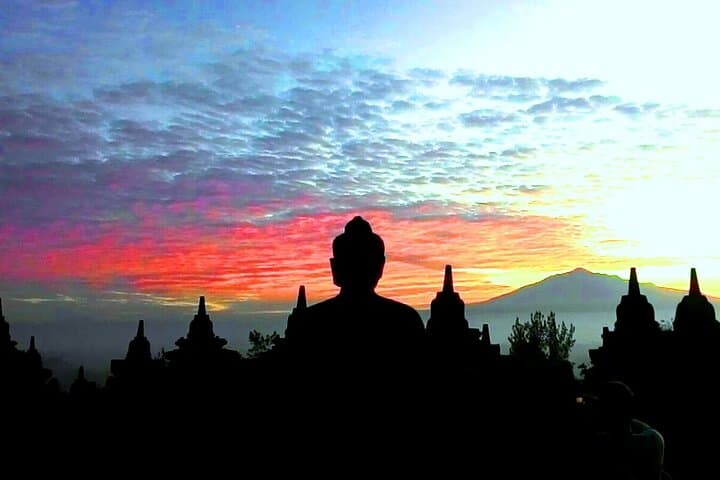
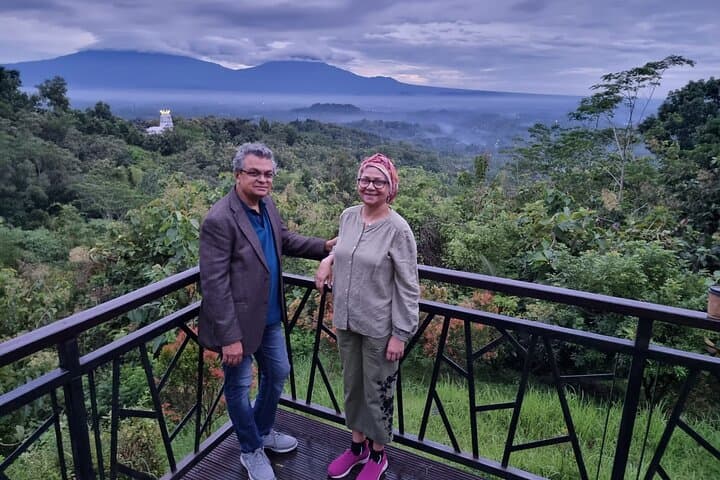
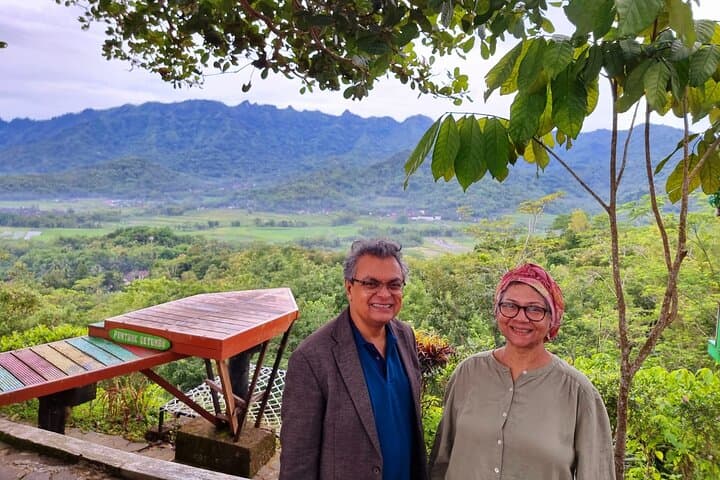
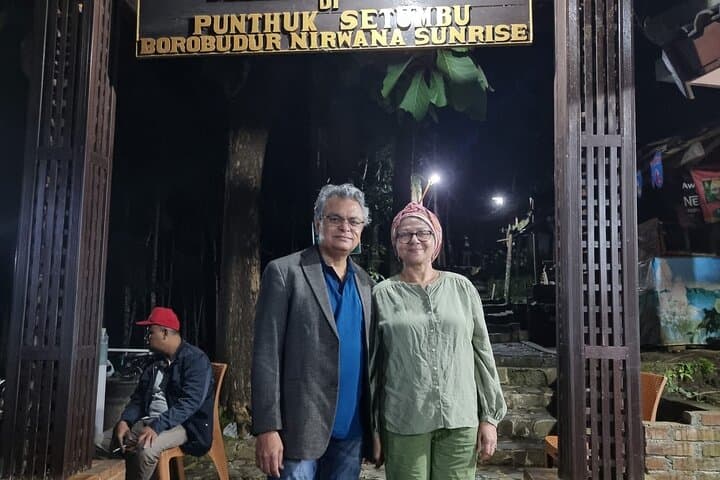
Before dawn you move through a chill of wet grass and the dark outline of the Menoreh Hills, guided by a driver who knows the road and the hours when the world is still pliable. On Punthuk Setumbu the first light pushes through low cloud, unfolding the silhouette of Borobudur below as mist lingers in the rice terraces. The hill’s short ridge dares you to climb in time for the sun to crown the temple’s stupas.
Before dawn you move through a chill of wet grass and the dark outline of the Menoreh Hills, guided by a driver who knows the road and the hours when the world is still pliable. On Punthuk Setumbu the first light pushes through low cloud, unfolding the silhouette of Borobudur below as mist lingers in the rice terraces. The hill’s short ridge dares you to climb in time for the sun to crown the temple’s stupas.
Borobudur was built in the 8th–9th century by the Sailendra dynasty and remains the largest Buddhist monument in the world. The temple’s volcanic-stone terraces sit on the Kedu Plain, shaped by eruptions from nearby Merapi and Merbabu; the geology explains the smooth, dark blocks and the fertile farmland that frames the monument. Local life still orbits ritual and craft—early vendors selling kopi (local coffee) and bakpia, farmers tending paddies, and small shrines at village edges.
Practically: expect a 20–40 minute uphill walk to Punthuk Setumbu on uneven dirt and stone steps with roughly 100–200 m of elevation gain from the parking area; the view rewards an early, sometimes chilly wait. The guided private tour typically begins very early (hotel pickup around 03:30–04:00 from Yogyakarta), includes time to explore Borobudur at dawn, and adds short visits to Pawon and Mendut Temples before returning midmorning.
Bring a headlamp, warm layers, and cash for small stalls. Stay on designated paths at Borobudur, respect temple etiquette (modest dress and quiet spaces), and be ready for bright light and crowds to arrive after sunrise.