THE ADVENTURE COLLECTIVE® · Independent discovery and booking for outdoor travel

Spend a full day from Puntarenas tracing river mangroves, watching crocodiles on the Tárcoles, meeting playful monkeys and sampling tropical fruits. This accessible eco-safari pairs wildlife viewing with a local lunch and coastal panoramas.
Spend a full day from Puntarenas tracing river mangroves, watching crocodiles on the Tárcoles, meeting playful monkeys and sampling tropical fruits. This accessible eco-safari pairs wildlife viewing with a local lunch and coastal panoramas.
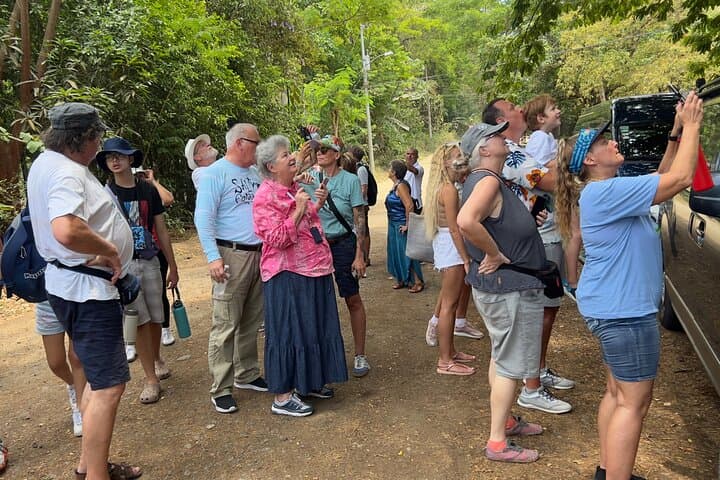
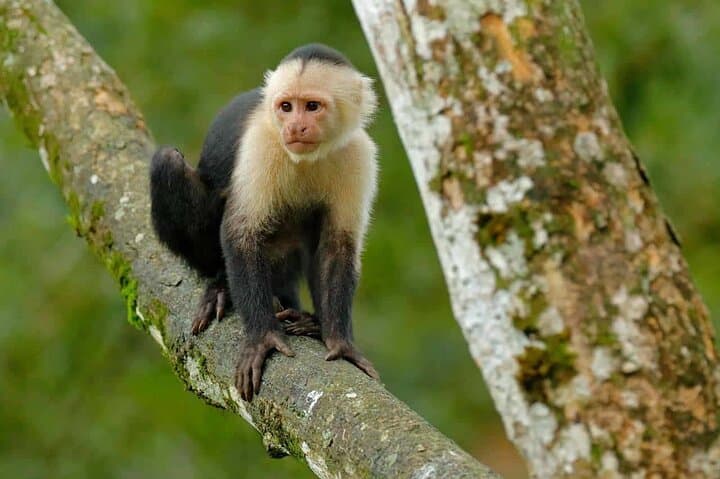
A line of chattering capuchins greets the morning as the van pulls away from Puntarenas’ sun-washed quay — you can almost feel banana-scented air tugging at your pack. The itinerary moves fast: a monkey habitat where primates inspect visitors with bright, curious eyes; a roadside fruit stand heavy with mango, pineapple and guanábana; and then the low, winding corridor of the Tárcoles River where crocodiles loaf like dark logs among the mangroves.
Verified experiences and guided adventures in the surrounding area.
Operated by Pablo C · Puntarenas, Puntarenas Province
A line of chattering capuchins greets the morning as the van pulls away from Puntarenas’ sun-washed quay — you can almost feel banana-scented air tugging at your pack. The itinerary moves fast: a monkey habitat where primates inspect visitors with bright, curious eyes; a roadside fruit stand heavy with mango, pineapple and guanábana; and then the low, winding corridor of the Tárcoles River where crocodiles loaf like dark logs among the mangroves.
Geology here is simple and visible: the river has carved a flat estuary of alluvial mud and mangrove roots, funneling nutrients into the Pacific and creating one of Costa Rica’s richest birding corridors. Culturally, Puntarenas grew as a Pacific port in the 19th century — the town’s seafood traditions and markets reflect decades of coastal trade and traveler exchange.
Practical guidance is straightforward. The river cruise is calm but camera-ready: bring a long lens and binoculars for toucans, kingfishers and the occasional raptor. Expect several short walks and some steps on and off the boat — a moderate fitness level helps. Midday sun is strong; lightweight sun protection and a rain layer for sudden tropical showers are standard. Lunch is included and offers local staples like casado or gallo pinto, a good chance to taste regional flavors and ask guides about conservation efforts around the Tárcoles crocodiles and the nearby Carara lowland forest.
Whether you’re drawn by wildlife, local food or quick ocean panoramas, the day balances accessible adventure with hands-on natural history, making it a compact but rich introduction to Costa Rica’s Pacific coast.
moderate.
8 hours.
Moderate — able to handle several short walks, steps on/off boats, and a full-day outing
The full-day tour runs about 8 hours and includes bottled water, lunch, river cruise, guided stops at a monkey habitat, fruit stand, mountain viewpoint and a Puntarenas city tour.
Wildlife sightings can’t be guaranteed, but the Tárcoles River is one of the region’s best places to reliably see American crocodiles and the surrounding forests often host toucans and other tropical birds.
Yes — the tour is family-friendly with infant seats available, but participants should have moderate mobility for boat boarding and short walks; consult the operator about specific accessibility needs.
Tipping is customary in Costa Rica; consider 10–15% of the tour price split between guides and drivers if service is good, and small tips for specialized staff.
Puntarenas developed as a major Pacific port in the late 19th century, shaping its seafood-heavy culture and market traditions still visible today.
Local guides emphasize responsible viewing around Tárcoles crocodiles and support mangrove protection efforts; avoid feeding wildlife and stick to marked paths to minimize impact.
Pablo C operates guided outdoor trips and adventures with an emphasis on safety, stewardship, and memorable experiences.


A line of chattering capuchins greets the morning as the van pulls away from Puntarenas’ sun-washed quay — you can almost feel banana-scented air tugging at your pack. The itinerary moves fast: a monkey habitat where primates inspect visitors with bright, curious eyes; a roadside fruit stand heavy with mango, pineapple and guanábana; and then the low, winding corridor of the Tárcoles River where crocodiles loaf like dark logs among the mangroves.
A line of chattering capuchins greets the morning as the van pulls away from Puntarenas’ sun-washed quay — you can almost feel banana-scented air tugging at your pack. The itinerary moves fast: a monkey habitat where primates inspect visitors with bright, curious eyes; a roadside fruit stand heavy with mango, pineapple and guanábana; and then the low, winding corridor of the Tárcoles River where crocodiles loaf like dark logs among the mangroves.
Geology here is simple and visible: the river has carved a flat estuary of alluvial mud and mangrove roots, funneling nutrients into the Pacific and creating one of Costa Rica’s richest birding corridors. Culturally, Puntarenas grew as a Pacific port in the 19th century — the town’s seafood traditions and markets reflect decades of coastal trade and traveler exchange.
Practical guidance is straightforward. The river cruise is calm but camera-ready: bring a long lens and binoculars for toucans, kingfishers and the occasional raptor. Expect several short walks and some steps on and off the boat — a moderate fitness level helps. Midday sun is strong; lightweight sun protection and a rain layer for sudden tropical showers are standard. Lunch is included and offers local staples like casado or gallo pinto, a good chance to taste regional flavors and ask guides about conservation efforts around the Tárcoles crocodiles and the nearby Carara lowland forest.
Whether you’re drawn by wildlife, local food or quick ocean panoramas, the day balances accessible adventure with hands-on natural history, making it a compact but rich introduction to Costa Rica’s Pacific coast.