THE ADVENTURE COLLECTIVE® · Independent discovery and booking for outdoor travel

Ride south from Puerto Madryn to a vast Magellanic penguin colony at Punta Tombo. Expect boardwalk views, noisy chicks in summer, and a full-day wildlife experience across the Patagonian steppe.
Ride south from Puerto Madryn to a vast Magellanic penguin colony at Punta Tombo. Expect boardwalk views, noisy chicks in summer, and a full-day wildlife experience across the Patagonian steppe.
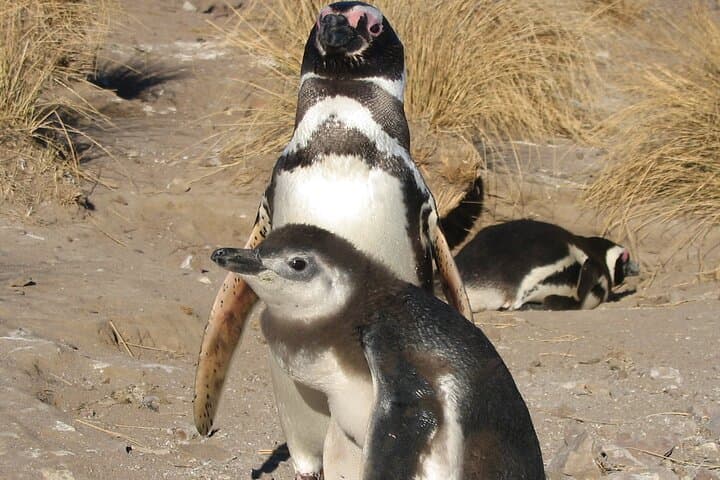
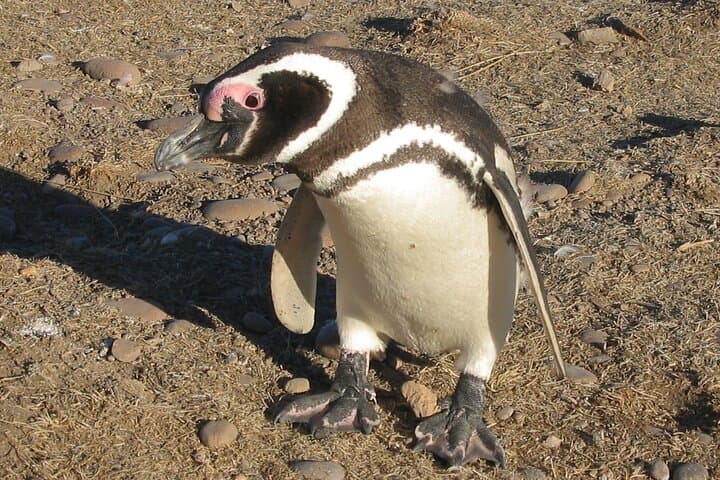
A low wind pushes salt and steppe dust across the highway as the minivan slides south from Puerto Madryn, and the air smells faintly of kelp and guano. By midmorning you step out onto hard-packed earth at Punta Tombo, where thousands of Magellanic penguins move like a living tide between nests and sea, pecking, preening and calling to one another.
Verified experiences and guided adventures in the surrounding area.
Operated by Loika Expediciones · Puerto Madryn, Chubut
A low wind pushes salt and steppe dust across the highway as the minivan slides south from Puerto Madryn, and the air smells faintly of kelp and guano. By midmorning you step out onto hard-packed earth at Punta Tombo, where thousands of Magellanic penguins move like a living tide between nests and sea, pecking, preening and calling to one another.
The reserve sits on a flat coastal bench carved by ancient sea levels and wind; its guano-rich soil and shallow coves make it one of continental South America’s largest Magellanic penguin colonies. The human story here is recent—20th century conservation efforts recognized the site’s value and limited development to protect breeding habitat. The surrounding Patagonian steppe feels open and honest: low scrub, runs of grazing guanacos and the occasional rhea cutting across the road.
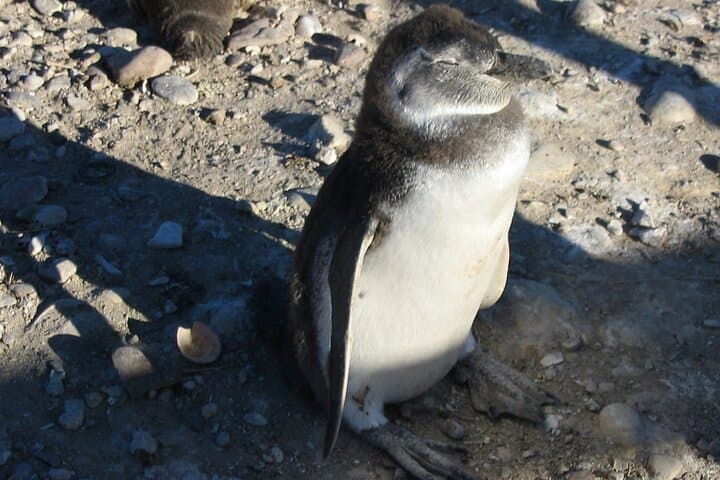
Expect boardwalks that keep visitors at a respectful distance, long views out to the Atlantic, and a sensory mix of squawk, salt, and sun. Guides typically point out nesting behavior and seasonal chicks; summer brings noisy juveniles, spring sees courtship, and cooler months quiet the colony.
Practical bits: tours run 6–7 hours round trip from Puerto Madryn, include air-conditioned transport but not park admission, and involve short, flat walks across uneven, sometimes sandy terrain. Dress in layers for coastal wind, bring sun protection and water, and carry small bills for entrance fees or local vendors. Respect posted routes—staying off nests helps penguins raise chicks and keeps the site open for future visitors.
easy.
6–7 hours.
Suitable for most fitness levels; requires standing and short flat walks on uneven ground
No — most operators do not include Punta Tombo entrance fees; plan to pay at the reserve with local currency.
Late spring to mid-summer (southern hemisphere November–February) is prime for chicks and active parental behavior.
Access includes boardwalks and short flat trails; many operators note stroller access, but some sections may be uneven—infant seats are often available on vehicles.
Yes — guanacos, rheas and occasionally foxes or armadillos are commonly seen across the Patagonian steppe en route.
Punta Tombo emerged as an important Magellanic penguin site in the 20th century; protection efforts limited development to preserve breeding habitat and visitor access.
Strict boardwalks and visitor limits reduce nest disturbance; follow guide instructions and pack out all waste to support long-term colony health.
Loika Expediciones operates guided outdoor trips and adventures with an emphasis on safety, stewardship, and memorable experiences.
A low wind pushes salt and steppe dust across the highway as the minivan slides south from Puerto Madryn, and the air smells faintly of kelp and guano. By midmorning you step out onto hard-packed earth at Punta Tombo, where thousands of Magellanic penguins move like a living tide between nests and sea, pecking, preening and calling to one another.
A low wind pushes salt and steppe dust across the highway as the minivan slides south from Puerto Madryn, and the air smells faintly of kelp and guano. By midmorning you step out onto hard-packed earth at Punta Tombo, where thousands of Magellanic penguins move like a living tide between nests and sea, pecking, preening and calling to one another.
The reserve sits on a flat coastal bench carved by ancient sea levels and wind; its guano-rich soil and shallow coves make it one of continental South America’s largest Magellanic penguin colonies. The human story here is recent—20th century conservation efforts recognized the site’s value and limited development to protect breeding habitat. The surrounding Patagonian steppe feels open and honest: low scrub, runs of grazing guanacos and the occasional rhea cutting across the road.
Expect boardwalks that keep visitors at a respectful distance, long views out to the Atlantic, and a sensory mix of squawk, salt, and sun. Guides typically point out nesting behavior and seasonal chicks; summer brings noisy juveniles, spring sees courtship, and cooler months quiet the colony.
Practical bits: tours run 6–7 hours round trip from Puerto Madryn, include air-conditioned transport but not park admission, and involve short, flat walks across uneven, sometimes sandy terrain. Dress in layers for coastal wind, bring sun protection and water, and carry small bills for entrance fees or local vendors. Respect posted routes—staying off nests helps penguins raise chicks and keeps the site open for future visitors.