THE ADVENTURE COLLECTIVE® · Independent discovery and booking for outdoor travel

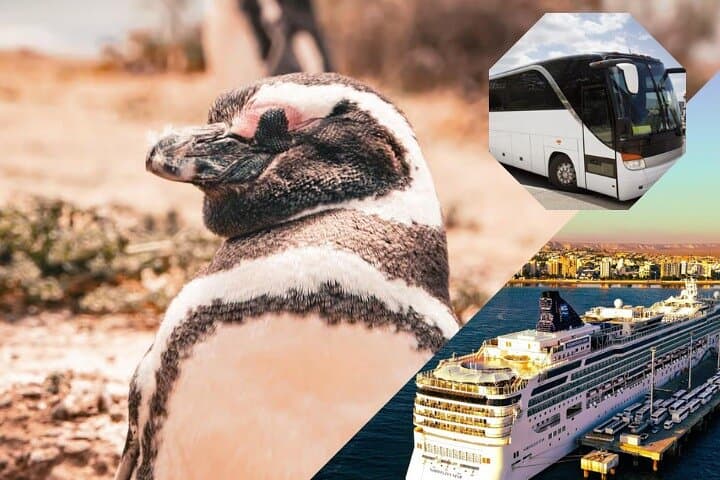
Walk among one of the largest continental Magellanic penguin colonies at Punta Tombo on a shore-excursion optimized for cruise passengers. This easy, guided bus tour includes boardwalk access, an interpretation center stop, and timed returns to the port.
Walk among one of the largest continental Magellanic penguin colonies at Punta Tombo on a shore-excursion optimized for cruise passengers. This easy, guided bus tour includes boardwalk access, an interpretation center stop, and timed returns to the port.
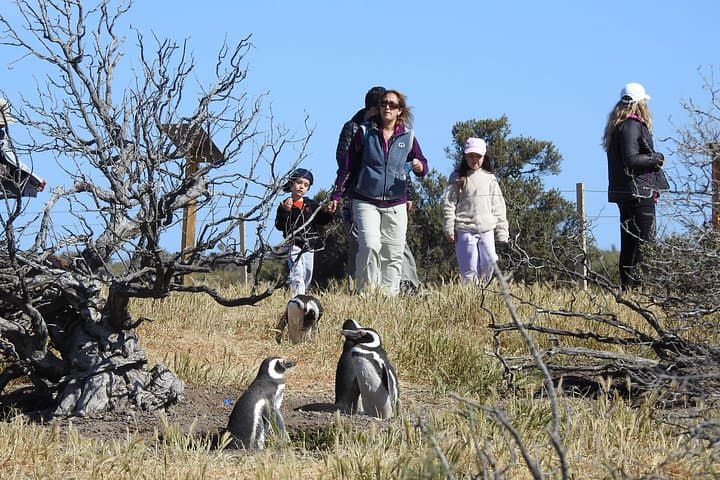
You step off the bus into a coastal plain where wind and surf shape the day. Salt-tinged air pushes inland and the colony answers in a chorus of calls — hundreds of Magellanic penguins moving between burrows, to the sea, and back again. The wooden walkways guide you close enough to see their slate-colored backs and white bellies without disturbing nesting birds; the ocean dares you with a cold, glinting edge beyond the rocks.
Verified experiences and guided adventures in the surrounding area.
Operated by Animal Travel · Punta Tombo, Chubut
You step off the bus into a coastal plain where wind and surf shape the day. Salt-tinged air pushes inland and the colony answers in a chorus of calls — hundreds of Magellanic penguins moving between burrows, to the sea, and back again. The wooden walkways guide you close enough to see their slate-colored backs and white bellies without disturbing nesting birds; the ocean dares you with a cold, glinting edge beyond the rocks.
Punta Tombo is the largest continental breeding ground of Magellanic penguins in Argentina, a geological ribbon of pebble beaches and windswept scrub carved from Patagonian steppe. Human history here is tied to maritime routes and sheep ranching; today, the reserve and its small interpretation center interpret both natural history and the patterns of seasonal breeding that bring the colony to life. Guides explain nesting cycles — adults arrive in spring, chicks peak in summer — and the fragile balance between land use and wildlife.
Practically, the visit is straightforward: a roughly 3–4 hour on-site window with time at the interpretation center and on the boardwalks. Expect 1–3 km of walking on flat, sometimes sandy or uneven boardwalks with minimal elevation gain. Stay on marked paths, avoid sudden movements near nests, and skip flash photography. Bring sun and wind protection, water, and binoculars for distant shorebirds and marine life. Tours sync with cruise timetables; pick a morning slot for softer light and calmer winds. With sensible gear and low-impact behavior, Punta Tombo delivers one of Patagonia’s most immediate wildlife encounters.
easy.
6–7 hours (including transport).
Suitable for most fitness levels; requires ability to walk 1–3 km on flat, sometimes uneven boardwalks
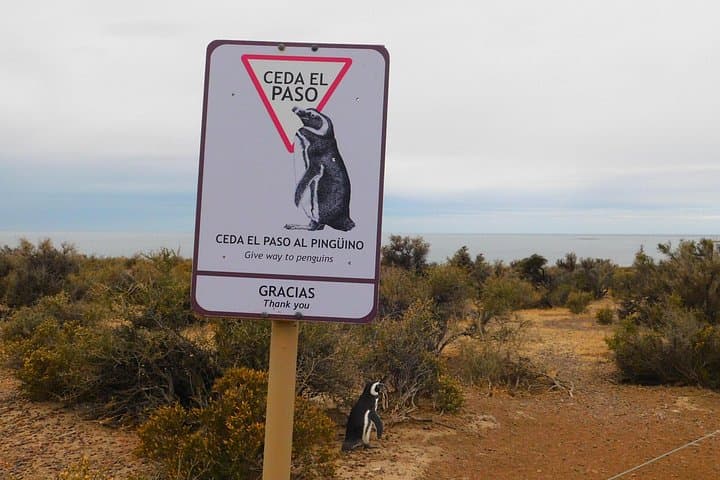
Walkways keep visitors at a regulated distance to avoid disturbing nests; stay on paths and follow guide instructions for viewing distances.
Chick season peaks in December through February when many nests contain juveniles; parents arrive in spring to start nesting (September–November).
The operator lists wheelchair-accessible transport and some accessible paths at the reserve, but boardwalk surfaces can be uneven — confirm needs when booking.
Yes; standard shore tours include a stop at the interpretation center and time for refreshments at on-site services before returning to the port.
The reserve protects a longstanding Magellanic penguin breeding area; the site became a provincial reserve to balance tourism with conservation of breeding habitat.
Visitor management relies on boardwalks and seasonal limits to reduce trampling and disturbance; keep noise low and never touch wildlife to support breeding success.
Animal Travel operates guided outdoor trips and adventures with an emphasis on safety, stewardship, and memorable experiences.

You step off the bus into a coastal plain where wind and surf shape the day. Salt-tinged air pushes inland and the colony answers in a chorus of calls — hundreds of Magellanic penguins moving between burrows, to the sea, and back again. The wooden walkways guide you close enough to see their slate-colored backs and white bellies without disturbing nesting birds; the ocean dares you with a cold, glinting edge beyond the rocks.
You step off the bus into a coastal plain where wind and surf shape the day. Salt-tinged air pushes inland and the colony answers in a chorus of calls — hundreds of Magellanic penguins moving between burrows, to the sea, and back again. The wooden walkways guide you close enough to see their slate-colored backs and white bellies without disturbing nesting birds; the ocean dares you with a cold, glinting edge beyond the rocks.
Punta Tombo is the largest continental breeding ground of Magellanic penguins in Argentina, a geological ribbon of pebble beaches and windswept scrub carved from Patagonian steppe. Human history here is tied to maritime routes and sheep ranching; today, the reserve and its small interpretation center interpret both natural history and the patterns of seasonal breeding that bring the colony to life. Guides explain nesting cycles — adults arrive in spring, chicks peak in summer — and the fragile balance between land use and wildlife.
Practically, the visit is straightforward: a roughly 3–4 hour on-site window with time at the interpretation center and on the boardwalks. Expect 1–3 km of walking on flat, sometimes sandy or uneven boardwalks with minimal elevation gain. Stay on marked paths, avoid sudden movements near nests, and skip flash photography. Bring sun and wind protection, water, and binoculars for distant shorebirds and marine life. Tours sync with cruise timetables; pick a morning slot for softer light and calmer winds. With sensible gear and low-impact behavior, Punta Tombo delivers one of Patagonia’s most immediate wildlife encounters.