THE ADVENTURE COLLECTIVE® · Independent discovery and booking for outdoor travel

Spend a focused half-day fishing and snorkeling in Punta Mita’s secluded reefs. This small-group boat trip pairs basic fishing instruction with guided snorkeling and optional paddleboard or towable-board time at rarely visited reef sites.
Spend a focused half-day fishing and snorkeling in Punta Mita’s secluded reefs. This small-group boat trip pairs basic fishing instruction with guided snorkeling and optional paddleboard or towable-board time at rarely visited reef sites.
The boat eases away from Punta Mita’s sheltered inlet and the Pacific takes the lead: a low swell, sunlight skittering across blue, and the shore shrinking until reef rock and coral loom on the horizon.
Verified experiences and guided adventures in the surrounding area.
Operated by OCEANUS Lifetime · Punta Mita, Nayarit
The boat eases away from Punta Mita’s sheltered inlet and the Pacific takes the lead: a low swell, sunlight skittering across blue, and the shore shrinking until reef rock and coral loom on the horizon.
This half-day trip blends hands-on fishing with guided snorkeling at reefs few visitors see. The reefs off Punta Mita formed where volcanic bedrock meets tropical currents; that geology and the funneling effect of the bay concentrate baitfish, which in turn attracts larger sportfish and a dense reef community. Locally the area developed into exclusive resorts in recent decades, but these outlying reefs remain relatively untouched because they're inaccessible by land.
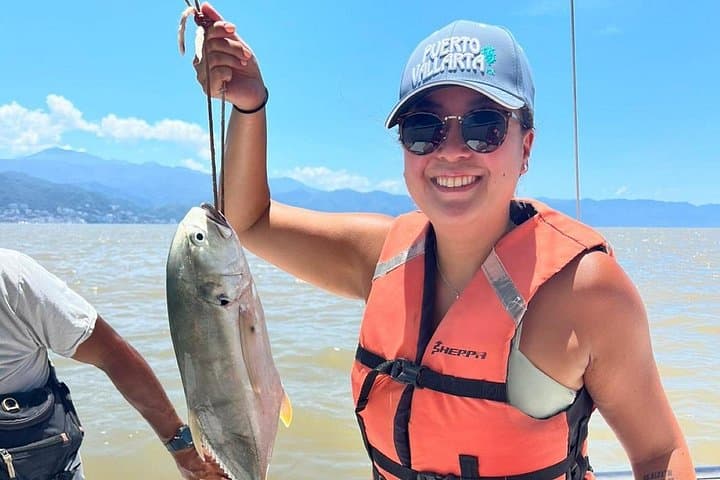
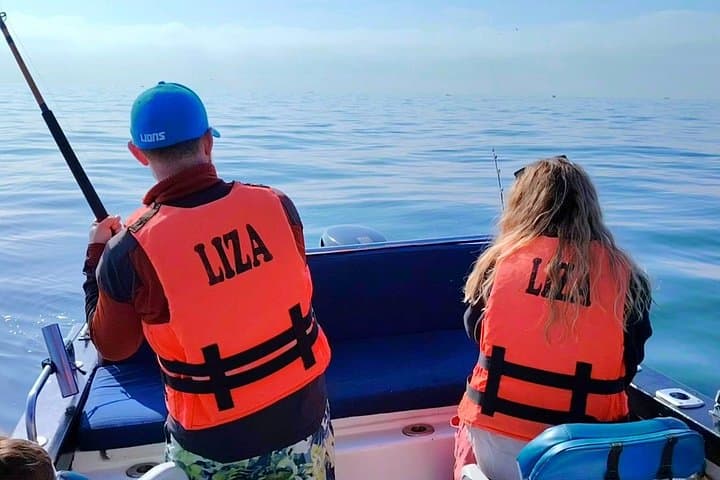
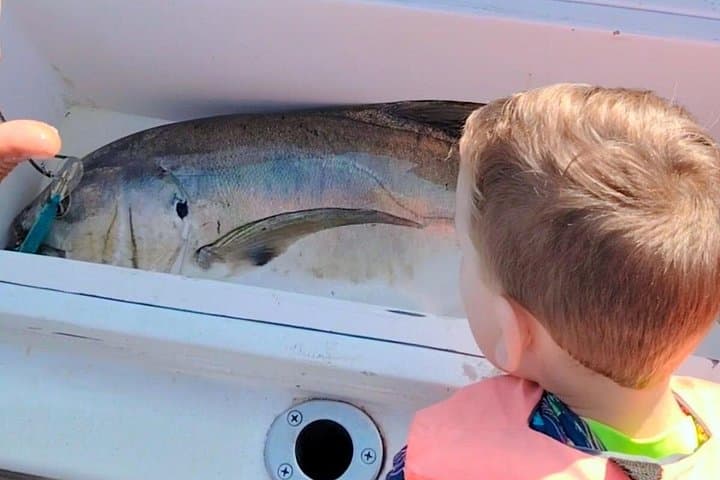
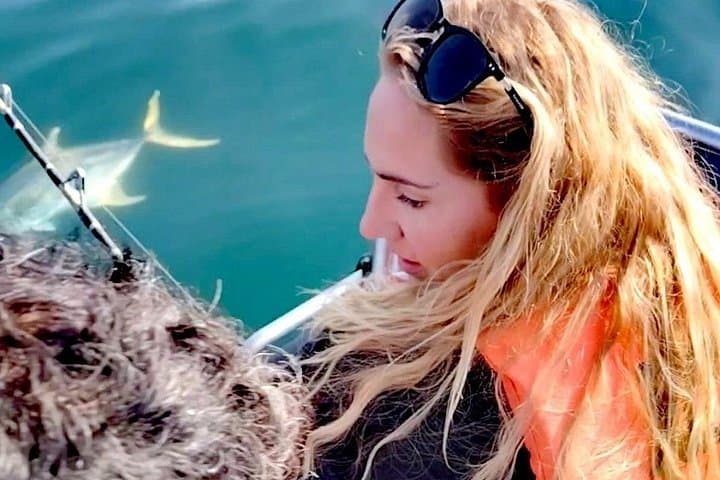
Expect cultural touches on board—guides from the region who know where the schools run and how to prepare fresh ceviche if you land a catch. The experience feels intimate: lines cast amid the swell, then fins and masks as you drift over coral bommies at a site like El Guano.
Practical tips: the outing is about three hours and suitable for most fitness levels; plan for morning departures when seas are calmer and visibility is best. Wear reef-safe sunscreen, a snug mask, and bring a light wind layer for the ride. The operator provides rods, snorkeling gear, paddleboards and a towable board; they can teach basic fishing techniques and adjust time between fishing and snorkeling to suit the group.
Water conditions change with season—flat, clear winter seas give the best visibility while summer can bring chop and reduced clarity—so check weather and tide windows before you go.
easy.
3 hours.
Light physical activity: able to board a small boat, stand while fishing, and swim/snorkel short distances.
The activity runs about three hours from departure to return; time aboard includes fishing followed by snorkeling and a short beach stop for lunch or snacks.
No—guides provide basic instruction and tackle; the trip is suitable for beginners and families.
Participants should be comfortable in the water; life vests are typically available and children are welcome but must be supervised—inform the operator of any weak swimmers.
Yes—if the group catches fish, guides may prepare fresh ceviche; if not, they provide an alternative snack such as guacamole and a beach lunch option.
Punta Mita sits on a volcanic peninsula where local fishing traditions predate recent resort development; the reefs have long supplied local communities with seafood.
The reefs are sensitive—use reef-safe products, avoid touching coral, and follow guides’ instructions to minimize anchor and human impact.
OCEANUS Lifetime operates guided outdoor trips and adventures with an emphasis on safety, stewardship, and memorable experiences.
The boat eases away from Punta Mita’s sheltered inlet and the Pacific takes the lead: a low swell, sunlight skittering across blue, and the shore shrinking until reef rock and coral loom on the horizon.
The boat eases away from Punta Mita’s sheltered inlet and the Pacific takes the lead: a low swell, sunlight skittering across blue, and the shore shrinking until reef rock and coral loom on the horizon.
This half-day trip blends hands-on fishing with guided snorkeling at reefs few visitors see. The reefs off Punta Mita formed where volcanic bedrock meets tropical currents; that geology and the funneling effect of the bay concentrate baitfish, which in turn attracts larger sportfish and a dense reef community. Locally the area developed into exclusive resorts in recent decades, but these outlying reefs remain relatively untouched because they're inaccessible by land.
Expect cultural touches on board—guides from the region who know where the schools run and how to prepare fresh ceviche if you land a catch. The experience feels intimate: lines cast amid the swell, then fins and masks as you drift over coral bommies at a site like El Guano.
Practical tips: the outing is about three hours and suitable for most fitness levels; plan for morning departures when seas are calmer and visibility is best. Wear reef-safe sunscreen, a snug mask, and bring a light wind layer for the ride. The operator provides rods, snorkeling gear, paddleboards and a towable board; they can teach basic fishing techniques and adjust time between fishing and snorkeling to suit the group.
Water conditions change with season—flat, clear winter seas give the best visibility while summer can bring chop and reduced clarity—so check weather and tide windows before you go.