THE ADVENTURE COLLECTIVE® · Independent discovery and booking for outdoor travel

A concise shore excursion that threads together Punta del Este’s icons — the lighthouse, La Mano, Casapueblo and seaside viewpoints — in about three and a half hours. Ideal for cruisers who want curated stops, local context, and easy photo opportunities.
A concise shore excursion that threads together Punta del Este’s icons — the lighthouse, La Mano, Casapueblo and seaside viewpoints — in about three and a half hours. Ideal for cruisers who want curated stops, local context, and easy photo opportunities.
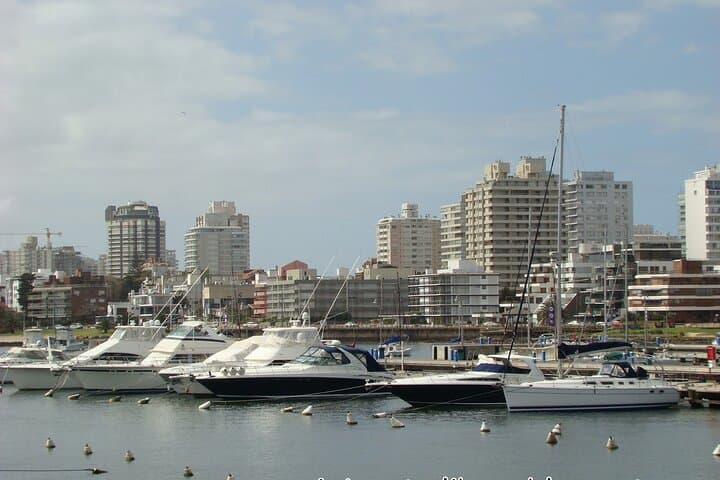
You step off the ship into a sun-skimmed port where yachts swagger and sea lions bicker over sunning spots — Punta del Este announces itself with a sharp Atlantic breeze that pushes you toward the coastline. The minibus pulls away, air-conditioning humming, and the guide starts mapping a route that moves between sculpted shoreline, a working port, and whitewashed architecture.
Verified experiences and guided adventures in the surrounding area.
Operated by Tango Tour · Punta del Este, Maldonado
You step off the ship into a sun-skimmed port where yachts swagger and sea lions bicker over sunning spots — Punta del Este announces itself with a sharp Atlantic breeze that pushes you toward the coastline. The minibus pulls away, air-conditioning humming, and the guide starts mapping a route that moves between sculpted shoreline, a working port, and whitewashed architecture.
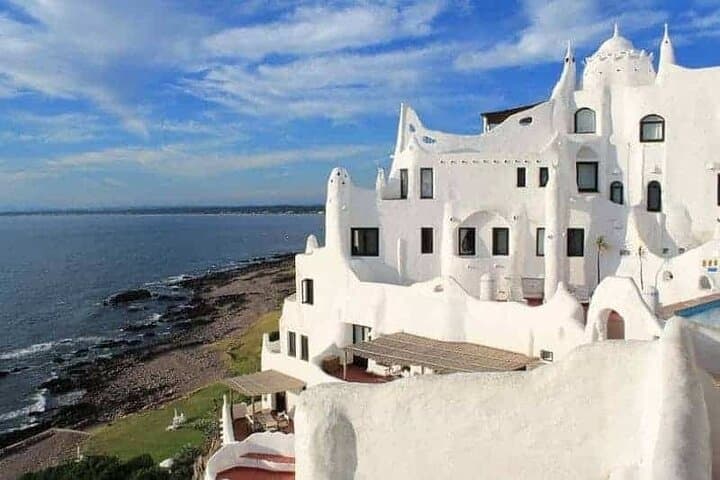
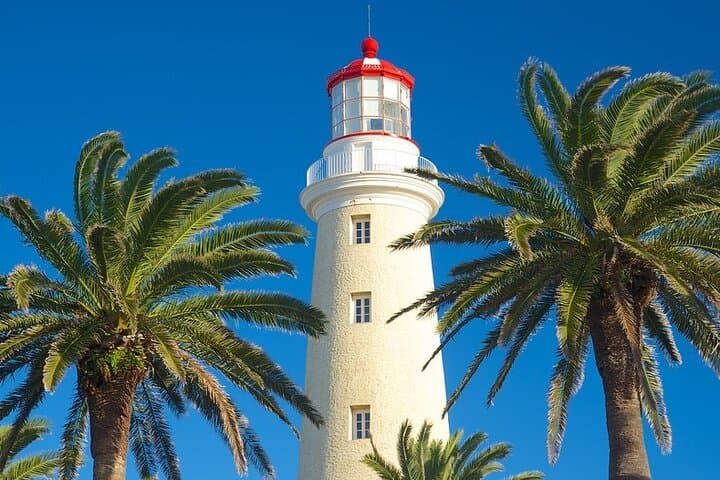
This compact resort town rose to prominence in the early 20th century as Uruguay’s high-season playground; the 1860 lighthouse still stands as a maritime marker while Casapueblo — the sculptural studio-home of artist Carlos Páez Vilaró — recalls a local modernist impulse that mingles art and sea. Geologically the peninsula is a mix of exposed coastal terraces and sandy beaches where currents from the Río de la Plata meet the open Atlantic, shaping beaches and channels that local boaters read like a map.
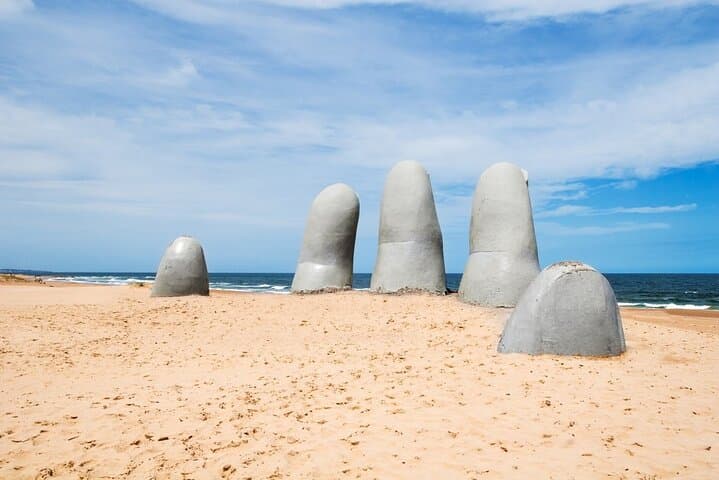
Culturally, Punta blends laid-back coastal life with conspicuous luxury: designer shops on the main avenue sit a short walk from fishermen mending nets. The tour pauses at La Mano, the lighthouse, the undulating bridge, Rally Museum, Punta Ballena and Casapueblo, letting you step out for photos and brief walks.
Practicalities: wear comfortable shoes for short walks over uneven sand and paved lookouts, sun protection for exposed viewpoints and a light layer for sea breezes. Bring a charged camera or phone — Wi‑Fi and bottled water are provided onboard — and leave time to browse beachside stalls at Punta Ballena. The pace favors easy exploration: three to four hours of guided stops and coastal scenes.
easy.
3–4 hours.
Suitable for most fitness levels; requires short walks on sand and paved areas and getting on/off a low-step minibus.
Tours typically coordinate a meeting point at or near the cruise terminal; confirm your pickup point and disembark time when booking.
Entrance fees to museums or Casapueblo are generally not included—check the tour details or bring cash/ card for optional entry.
Guides are available in English, Portuguese or Spanish according to the listing—request your language when booking.
The minibus provides bottled water and there are restroom opportunities during scheduled stops; bring hand sanitizer for convenience.
Punta del Este grew from a 19th-century lighthouse and small fishing community into a 20th-century resort; Casapueblo reflects the town’s mid-century artistic turn under Carlos Páez Vilaró.
Coastal erosion and human pressure on beach habitats are ongoing; stick to marked walkways, avoid disturbing wildlife, and pack out waste to minimize impact.
Tango Tour operates guided outdoor trips and adventures with an emphasis on safety, stewardship, and memorable experiences.
You step off the ship into a sun-skimmed port where yachts swagger and sea lions bicker over sunning spots — Punta del Este announces itself with a sharp Atlantic breeze that pushes you toward the coastline. The minibus pulls away, air-conditioning humming, and the guide starts mapping a route that moves between sculpted shoreline, a working port, and whitewashed architecture.
You step off the ship into a sun-skimmed port where yachts swagger and sea lions bicker over sunning spots — Punta del Este announces itself with a sharp Atlantic breeze that pushes you toward the coastline. The minibus pulls away, air-conditioning humming, and the guide starts mapping a route that moves between sculpted shoreline, a working port, and whitewashed architecture.
This compact resort town rose to prominence in the early 20th century as Uruguay’s high-season playground; the 1860 lighthouse still stands as a maritime marker while Casapueblo — the sculptural studio-home of artist Carlos Páez Vilaró — recalls a local modernist impulse that mingles art and sea. Geologically the peninsula is a mix of exposed coastal terraces and sandy beaches where currents from the Río de la Plata meet the open Atlantic, shaping beaches and channels that local boaters read like a map.
Culturally, Punta blends laid-back coastal life with conspicuous luxury: designer shops on the main avenue sit a short walk from fishermen mending nets. The tour pauses at La Mano, the lighthouse, the undulating bridge, Rally Museum, Punta Ballena and Casapueblo, letting you step out for photos and brief walks.
Practicalities: wear comfortable shoes for short walks over uneven sand and paved lookouts, sun protection for exposed viewpoints and a light layer for sea breezes. Bring a charged camera or phone — Wi‑Fi and bottled water are provided onboard — and leave time to browse beachside stalls at Punta Ballena. The pace favors easy exploration: three to four hours of guided stops and coastal scenes.