THE ADVENTURE COLLECTIVE® · Independent discovery and booking for outdoor travel

Learn to surf Punta de Buritaca’s right-hand break with focused instruction, local coffee, and safe progression from inside foam to longer outside rides. This 2–3 hour lesson blends technical coaching with hands-on practice at a sandy-bottom beach ideal for beginners and improving surfers.
Learn to surf Punta de Buritaca’s right-hand break with focused instruction, local coffee, and safe progression from inside foam to longer outside rides. This 2–3 hour lesson blends technical coaching with hands-on practice at a sandy-bottom beach ideal for beginners and improving surfers.
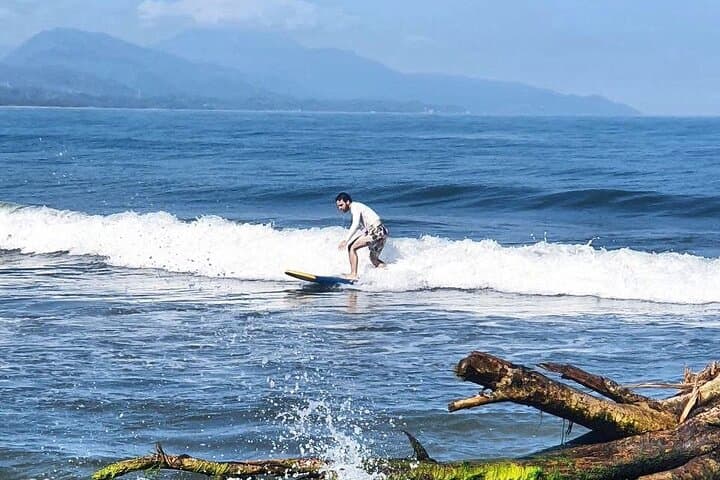
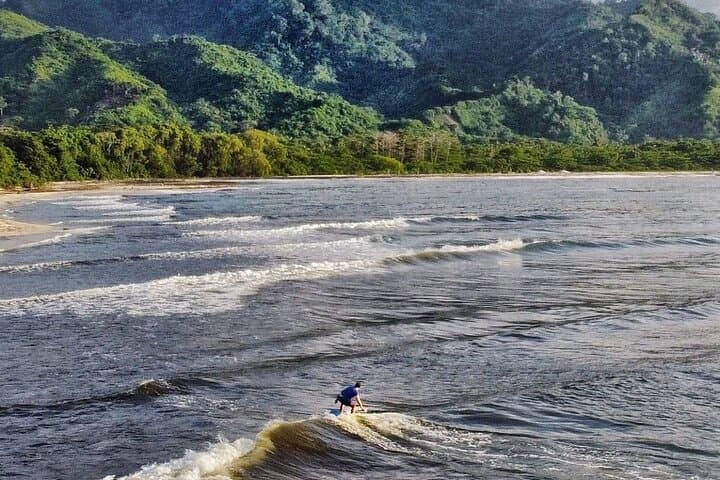
The sea at Punta de Buritaca greets surfers with a steady rhythm — a right-hand break that alternates between forgiving inside waves close to shore and longer outside sections that can string together into near-minute rides when conditions align.
Verified experiences and guided adventures in the surrounding area.
Operated by Olala Surf School · Buritaca, Magdalena
The sea at Punta de Buritaca greets surfers with a steady rhythm — a right-hand break that alternates between forgiving inside waves close to shore and longer outside sections that can string together into near-minute rides when conditions align.
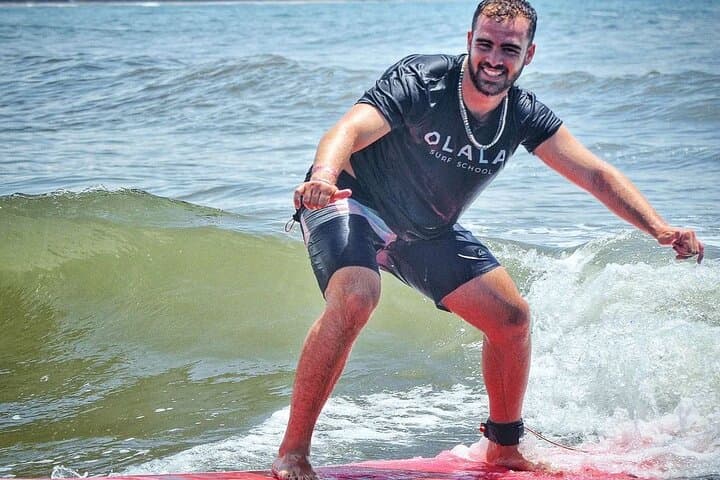
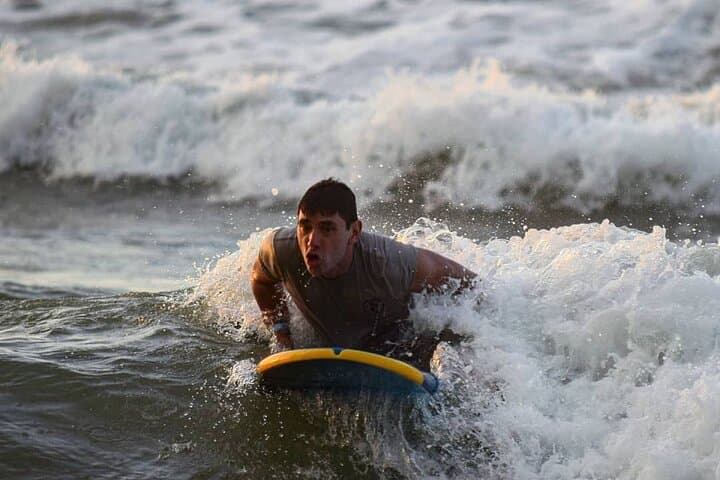
At the outset the lesson begins on sand with a practical primer on how waves form, how to read the break, and board positioning — all accompanied by a strong Colombian coffee. Instructors split time between dry-land coaching and guided paddles, moving students to the exact section of the beach that fits their skill level: the INSIDE for first stands and foamies, the OUTSIDE for trimming and longer lines.
Geologically the coast is a mix of sand bars and river-influenced seabed; the sandy bottom makes wipeouts less risky and aids quick progression for beginners. Culturally the area combines Afro-Caribbean fishing heritage with growing surf tourism; local hostels and cafés serve fresh seafood and coffee, and the vibe is relaxed but focused on the ocean.
Practical guidance: arrive with a swim layer and reef-safe sunscreen, expect 2–3 hours total including orientation, and wear a leash-friendly board — instructors provide boards and rashguards. Timing matters: morning and late afternoon often give cleaner waves and lighter winds. Stay hydrated, stagger practice sets to avoid fatigue, and follow instructor positioning cues when venturing to the outside break.
For travelers, this is a structured, safety-focused way to gain autonomous surf skills in a coastal setting that encourages continued practice — and an easy sunset coffee afterward.
moderate.
2–3 hours.
Light to moderate fitness; comfortable swimming ability and basic board balance will make learning faster.
No — the school supplies boards, leashes, and basic protective gear; feel free to bring your own if you prefer a personal setup.
Yes — lessons are organized by level and the inside break is ideal for first-time surfers learning stands and balance.
Punta de Buritaca is roughly a 30–60 minute drive west of downtown Santa Marta depending on traffic; many visitors base themselves in Santa Marta for lodging.
Dry season months with lighter onshore winds (roughly December to March) often offer cleaner conditions, but surfable waves occur year-round depending on swells.
The coast near Buritaca has long been used by local fishing communities and sits along trade routes that shaped Magdalena’s coastal culture.
Choose reef-safe sunblock, avoid trampling dune vegetation, and follow instructors’ guidance to minimize disturbance to shorebirds and seagrass beds.
Olala Surf School operates guided outdoor trips and adventures with an emphasis on safety, stewardship, and memorable experiences.
The sea at Punta de Buritaca greets surfers with a steady rhythm — a right-hand break that alternates between forgiving inside waves close to shore and longer outside sections that can string together into near-minute rides when conditions align.
The sea at Punta de Buritaca greets surfers with a steady rhythm — a right-hand break that alternates between forgiving inside waves close to shore and longer outside sections that can string together into near-minute rides when conditions align.
At the outset the lesson begins on sand with a practical primer on how waves form, how to read the break, and board positioning — all accompanied by a strong Colombian coffee. Instructors split time between dry-land coaching and guided paddles, moving students to the exact section of the beach that fits their skill level: the INSIDE for first stands and foamies, the OUTSIDE for trimming and longer lines.
Geologically the coast is a mix of sand bars and river-influenced seabed; the sandy bottom makes wipeouts less risky and aids quick progression for beginners. Culturally the area combines Afro-Caribbean fishing heritage with growing surf tourism; local hostels and cafés serve fresh seafood and coffee, and the vibe is relaxed but focused on the ocean.
Practical guidance: arrive with a swim layer and reef-safe sunscreen, expect 2–3 hours total including orientation, and wear a leash-friendly board — instructors provide boards and rashguards. Timing matters: morning and late afternoon often give cleaner waves and lighter winds. Stay hydrated, stagger practice sets to avoid fatigue, and follow instructor positioning cues when venturing to the outside break.
For travelers, this is a structured, safety-focused way to gain autonomous surf skills in a coastal setting that encourages continued practice — and an easy sunset coffee afterward.