THE ADVENTURE COLLECTIVE® · Independent discovery and booking for outdoor travel

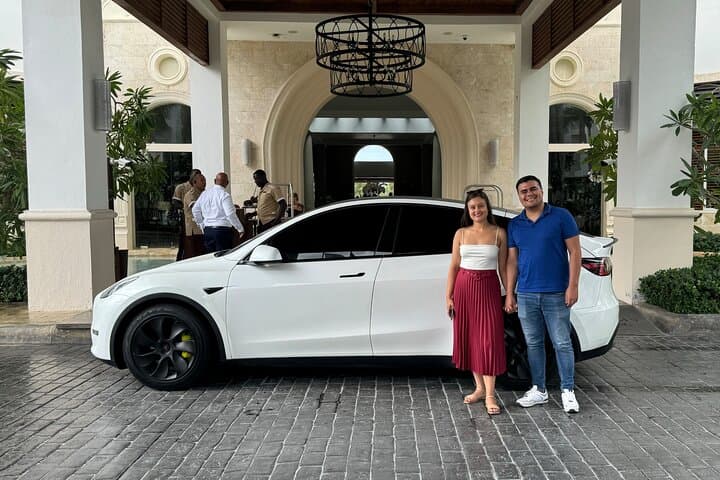
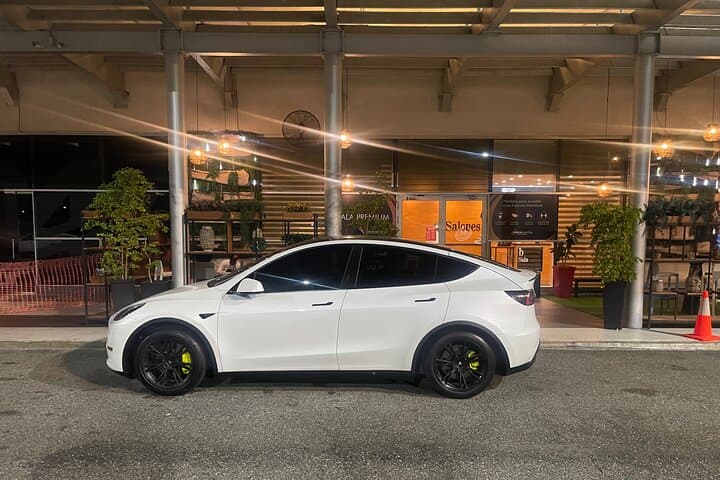
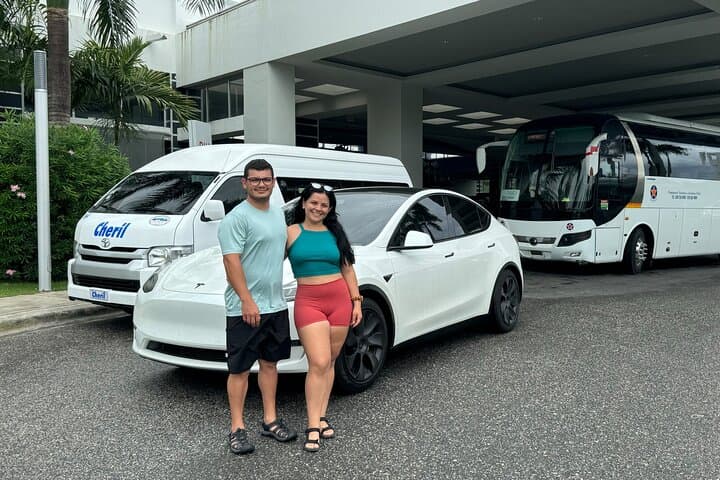
Skip the roadside minibuses and arrive rested: this Tesla transfer runs the roughly 200 km route between Punta Cana and Santo Domingo in 2–3 hours, with onboard Wi‑Fi, bottled water and optional child seats. Read on for logistics, local context and smart packing tips.
Skip the roadside minibuses and arrive rested: this Tesla transfer runs the roughly 200 km route between Punta Cana and Santo Domingo in 2–3 hours, with onboard Wi‑Fi, bottled water and optional child seats. Read on for logistics, local context and smart packing tips.
You close the door and the world outside softens: the Tesla hums, air-conditioning steady, palm-fringed highway unfurling ahead. Windows frame fields of sugarcane and the occasional coconut stand; the Caribbean light flattens the land, and the coastal breeze seems to push you toward the island’s old capital.
Verified experiences and guided adventures in the surrounding area.
Operated by Abreu Smart Transportation · Punta Cana, La Altagracia
You close the door and the world outside softens: the Tesla hums, air-conditioning steady, palm-fringed highway unfurling ahead. Windows frame fields of sugarcane and the occasional coconut stand; the Caribbean light flattens the land, and the coastal breeze seems to push you toward the island’s old capital.
The route links two very different chapters of Dominican history. Punta Cana’s low, sandy coast gives way westward toward Santo Domingo, founded in 1496 as the first permanent European city in the Americas. Geology here is largely low-lying carbonate plains with occasional limestone outcrops; roads cut through agricultural plains and small towns where merengue spills from roadside speakers.
What to expect: the transfer covers roughly 200 km (about 125 miles) and typically takes 2–3 hours depending on traffic and stops. The ride is a practical way to move between resort coastline and colonial streets—quiet electric propulsion reduces vibration and lets conversation continue uninterrupted. Drivers often meet passengers at the PUJ exit with a sign and will coordinate pickup details after booking.
Practical guidance: pack light for trunk space, bring travel documents for airport drop-offs, and allow buffer time for Santo Domingo traffic during mornings and late afternoons. If you’re prone to motion sickness, sit in the rear center and request a short comfort stop. The operator provides bottled water, onboard Wi‑Fi and child seats on request; cancelling 24 hours ahead yields a full refund. Choosing an electric transfer cuts emissions and supports lower-impact travel while keeping the trip efficient and comfortable.
easy.
2–3 hours.
Suitable for all fitness levels; this is a seated transfer with minimal physical demand
Typical driving time is 2–3 hours for the roughly 200 km (125 mi) route, depending on traffic and whether you request stops.
Yes—drivers will meet passengers at the airport exit with a sign; provide your arrival flight number so they can track delays.
Yes; infant and booster seats are available on request at booking—always confirm the age/weight to ensure the correct seat.
Full refund if you cancel at least 24 hours before the scheduled pickup; cancellations inside 24 hours are non-refundable.
Santo Domingo is the oldest continuously inhabited European-founded city in the Americas (late 15th century); the drive threads modern resort zones to colonial streets layered with Spanish-era architecture.
Choosing an electric transfer reduces tailpipe emissions compared with gasoline vehicles; travelers should avoid single-use plastics and respect roadside ecosystems by staying on paved pullouts.
Abreu Smart Transportation operates guided outdoor trips and adventures with an emphasis on safety, stewardship, and memorable experiences.

You close the door and the world outside softens: the Tesla hums, air-conditioning steady, palm-fringed highway unfurling ahead. Windows frame fields of sugarcane and the occasional coconut stand; the Caribbean light flattens the land, and the coastal breeze seems to push you toward the island’s old capital.
You close the door and the world outside softens: the Tesla hums, air-conditioning steady, palm-fringed highway unfurling ahead. Windows frame fields of sugarcane and the occasional coconut stand; the Caribbean light flattens the land, and the coastal breeze seems to push you toward the island’s old capital.
The route links two very different chapters of Dominican history. Punta Cana’s low, sandy coast gives way westward toward Santo Domingo, founded in 1496 as the first permanent European city in the Americas. Geology here is largely low-lying carbonate plains with occasional limestone outcrops; roads cut through agricultural plains and small towns where merengue spills from roadside speakers.
What to expect: the transfer covers roughly 200 km (about 125 miles) and typically takes 2–3 hours depending on traffic and stops. The ride is a practical way to move between resort coastline and colonial streets—quiet electric propulsion reduces vibration and lets conversation continue uninterrupted. Drivers often meet passengers at the PUJ exit with a sign and will coordinate pickup details after booking.
Practical guidance: pack light for trunk space, bring travel documents for airport drop-offs, and allow buffer time for Santo Domingo traffic during mornings and late afternoons. If you’re prone to motion sickness, sit in the rear center and request a short comfort stop. The operator provides bottled water, onboard Wi‑Fi and child seats on request; cancelling 24 hours ahead yields a full refund. Choosing an electric transfer cuts emissions and supports lower-impact travel while keeping the trip efficient and comfortable.