THE ADVENTURE COLLECTIVE® · Independent discovery and booking for outdoor travel

Taste Dominican coffee and chocolate, watch cigars being hand-rolled, and shop for authentic souvenirs on a two-hour tour from Punta Cana. Learn where to find the best prices, what to buy, and how to pack your finds for travel.
Taste Dominican coffee and chocolate, watch cigars being hand-rolled, and shop for authentic souvenirs on a two-hour tour from Punta Cana. Learn where to find the best prices, what to buy, and how to pack your finds for travel.
You step off the shuttle into a bright, humming market space where the smell of roasted coffee and cocoa pulls you through the door. Light slants across stacks of hand-painted magnets, woven hats, and boxed rum; somewhere behind glass, cigar rollers move with practiced rhythm. The tour moves at a human pace—two hours of tasting, watching, and choosing keepsakes that tell a small story of the Dominican Republic.
Verified experiences and guided adventures in the surrounding area.
Operated by Punta Canada Adventures · Punta Cana, La Altagracia
You step off the shuttle into a bright, humming market space where the smell of roasted coffee and cocoa pulls you through the door. Light slants across stacks of hand-painted magnets, woven hats, and boxed rum; somewhere behind glass, cigar rollers move with practiced rhythm. The tour moves at a human pace—two hours of tasting, watching, and choosing keepsakes that tell a small story of the Dominican Republic.
The island’s history floats through the visit: Spanish colonial trade, sugarcane wealth, and a long tradition of tobacco and coffee cultivation. Geologically the region is low, limestone bedrock uplifted and fractured by Caribbean currents; you’re a short drive from white-sand beaches and coral reefs, but here the landscape’s economic geology is in plantations and drying barns. The Don Lucas cigar workshop demonstrates hand-rolling techniques; local producers explain how cocoa and coffee profiles shift with soil and sun. There’s a small restaurant serving Dominican staples—simmered stews, fried plantain—so the tour also reads as an entry point into local food culture.
Practical guidance: plan for two hours, bring small bills for purchases and tips, and leave large luggage at your hotel. The venue is wheelchair- and stroller-accessible and suited to all fitness levels. Taste before you buy where allowed, ask about origin and storage, and pack fragile sweets in carry-on for travel. For shoppers who want authenticity without the tourist markup, arrive early in the day when selection is freshest and bargaining is polite but customary.
easy.
2 hours.
Suitable for all fitness levels — mostly standing and light walking
The tour runs about two hours and typically includes tastings, a cigar factory demonstration, and time to shop.
Yes — the venue and transportation options are described as wheelchair and stroller accessible.
Many shops accept cards, but smaller vendors and quick purchases are easiest with Dominican pesos or US dollars in small bills.
Yes — coffee, chocolate, and some snack samples are provided as part of the visit; meals at the local restaurant may be available at extra cost.
The Dominican Republic’s tobacco and sugar economies date to colonial plantations; artisan cigar-making continues that craft with locally grown leaves and traditional rolling techniques.
Buy from vendors who source beans and cocoa from named farms to support traceability; avoid products that claim unsustainably harvested exotic woods or corals.
Punta Canada Adventures operates guided outdoor trips and adventures with an emphasis on safety, stewardship, and memorable experiences.
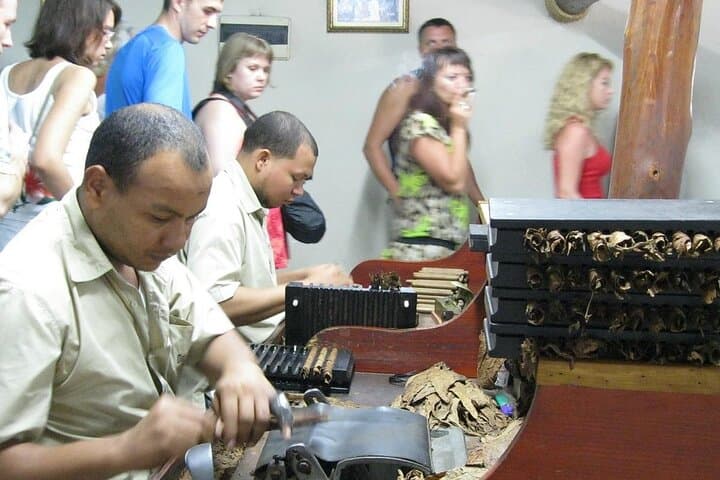
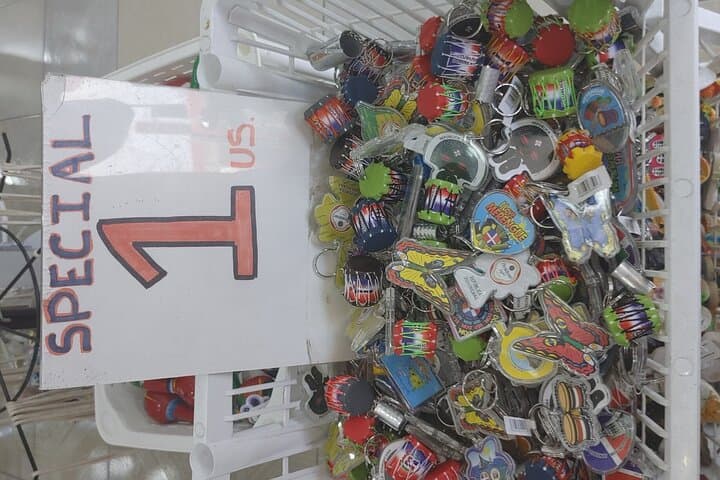


You step off the shuttle into a bright, humming market space where the smell of roasted coffee and cocoa pulls you through the door. Light slants across stacks of hand-painted magnets, woven hats, and boxed rum; somewhere behind glass, cigar rollers move with practiced rhythm. The tour moves at a human pace—two hours of tasting, watching, and choosing keepsakes that tell a small story of the Dominican Republic.
You step off the shuttle into a bright, humming market space where the smell of roasted coffee and cocoa pulls you through the door. Light slants across stacks of hand-painted magnets, woven hats, and boxed rum; somewhere behind glass, cigar rollers move with practiced rhythm. The tour moves at a human pace—two hours of tasting, watching, and choosing keepsakes that tell a small story of the Dominican Republic.
The island’s history floats through the visit: Spanish colonial trade, sugarcane wealth, and a long tradition of tobacco and coffee cultivation. Geologically the region is low, limestone bedrock uplifted and fractured by Caribbean currents; you’re a short drive from white-sand beaches and coral reefs, but here the landscape’s economic geology is in plantations and drying barns. The Don Lucas cigar workshop demonstrates hand-rolling techniques; local producers explain how cocoa and coffee profiles shift with soil and sun. There’s a small restaurant serving Dominican staples—simmered stews, fried plantain—so the tour also reads as an entry point into local food culture.
Practical guidance: plan for two hours, bring small bills for purchases and tips, and leave large luggage at your hotel. The venue is wheelchair- and stroller-accessible and suited to all fitness levels. Taste before you buy where allowed, ask about origin and storage, and pack fragile sweets in carry-on for travel. For shoppers who want authenticity without the tourist markup, arrive early in the day when selection is freshest and bargaining is polite but customary.