THE ADVENTURE COLLECTIVE® · Independent discovery and booking for outdoor travel

Spend 1–2 hours tasting and learning about Dominican rum, coffee, chocolate and crafts on a guided Punta Cana shopping tour. Hotel pickup, local demonstrations and no-sales-pressure policy make this an easy cultural stop.
Spend 1–2 hours tasting and learning about Dominican rum, coffee, chocolate and crafts on a guided Punta Cana shopping tour. Hotel pickup, local demonstrations and no-sales-pressure policy make this an easy cultural stop.
The bus eases out of the resort corridor and the Caribbean breeze slips in through open windows, carrying the sharp scent of roasted coffee and a hint of molasses. In minutes the manicured hotel strip gives way to a cluster of small shops, tasting stations and artisans where the day’s tour unfolds: tobacco rolled by hand, rum barrels glinting in dim light, cocoa beans drying on racks and rows of jewelry and crafts waiting to be inspected.
Verified experiences and guided adventures in the surrounding area.
Operated by Dominican Tours and Transfers · Punta Cana, La Altagracia
The bus eases out of the resort corridor and the Caribbean breeze slips in through open windows, carrying the sharp scent of roasted coffee and a hint of molasses. In minutes the manicured hotel strip gives way to a cluster of small shops, tasting stations and artisans where the day’s tour unfolds: tobacco rolled by hand, rum barrels glinting in dim light, cocoa beans drying on racks and rows of jewelry and crafts waiting to be inspected.
Punta Cana’s rise as a tourist hub in the late 20th century turned local trades—tobacco, rum and cacao—into both cultural exports and demonstrable crafts for visitors. The geology here is limestone and alluvial plains, which historically supported small-scale agriculture near the coast. The tour ties those threads together: you’ll see how a cigar is rolled, learn why Dominican rum tastes different from its neighbors and sample chocolate made from regional cacao.
The experience is low-impact but sensory: tactile cigar leaves, bitter-sweet coffee on the tongue, warm humidity on the skin. Guides typically explain production steps and point out authentic marks and labels to look for when buying.
Practical guidance: allow 1–2 hours, bring small bills for modest purchases, and request hotel pickup when booking—the tour includes AC transport and live commentary. Wear comfortable shoes for short walks between stops, and plan this early in your trip if you want to bring fragile goods home. There’s no obligation to buy, but the best souvenirs often come from a brief conversation with the maker.
easy.
1–2 hours.
Suitable for virtually all fitness levels; involves short periods of standing and walking between closely spaced stops.
The tour typically lasts between 1 and 2 hours, depending on traffic and how long you spend at each stop.
Yes—hotel pickup and drop-off within Punta Cana resorts are included; confirm your exact pickup point when booking.
No—there is zero obligation to buy; the tour is presented as an educational walk-through with optional purchases.
Guides show live demonstrations of tobacco rolling, rum or chocolate sampling sourced from local producers, though some displays may be set up for visitors.
Punta Cana evolved from sparsely populated farmland into a major resort area in the late 20th century; trade goods like sugar, rum and tobacco have long been central to the Dominican economy.
Support vendors who source sustainably and choose hand-made items; avoid souvenirs made from endangered species or non-certified wood, and carry reusable bags to limit plastic waste.
Dominican Tours and Transfers operates guided outdoor trips and adventures with an emphasis on safety, stewardship, and memorable experiences.
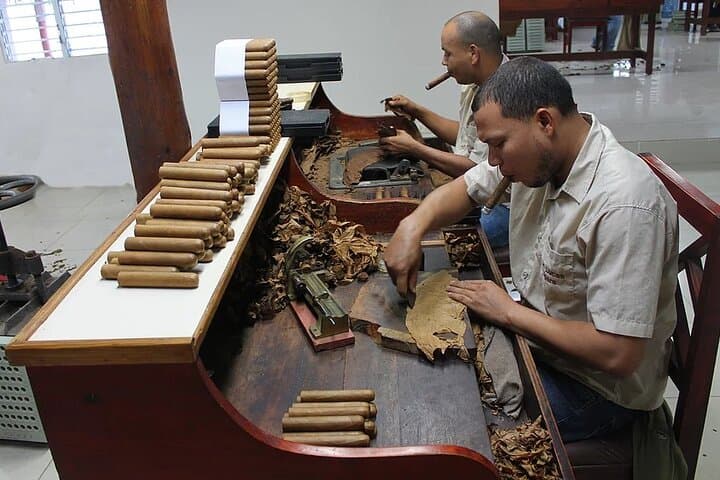
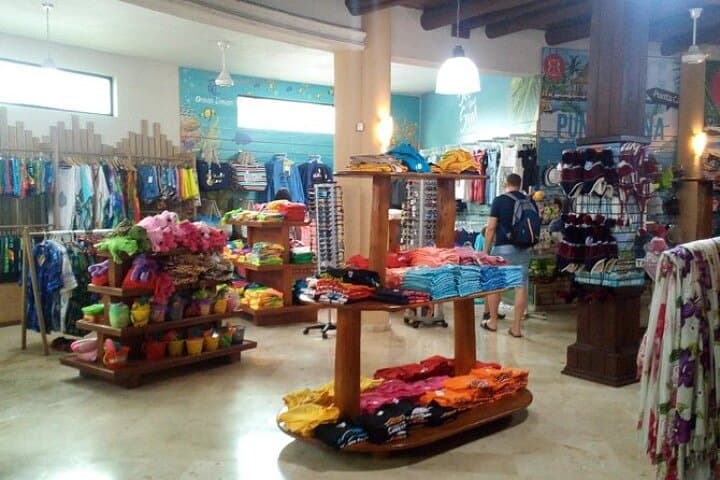
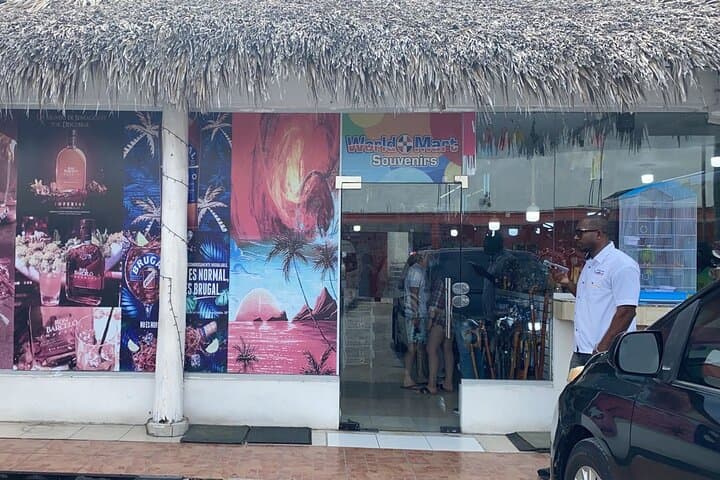
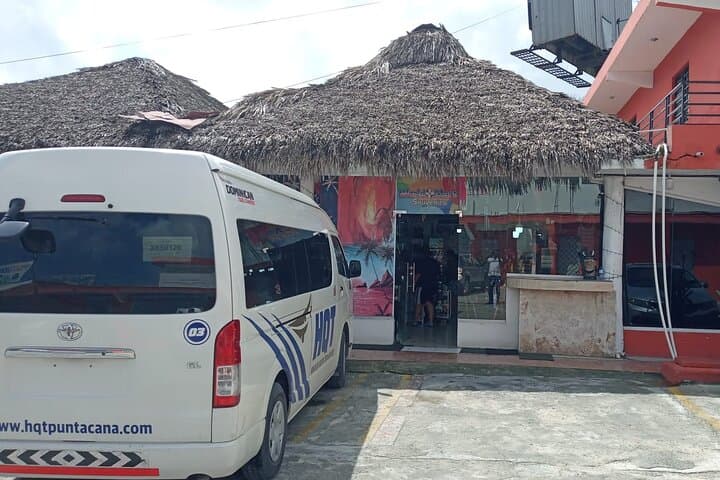
The bus eases out of the resort corridor and the Caribbean breeze slips in through open windows, carrying the sharp scent of roasted coffee and a hint of molasses. In minutes the manicured hotel strip gives way to a cluster of small shops, tasting stations and artisans where the day’s tour unfolds: tobacco rolled by hand, rum barrels glinting in dim light, cocoa beans drying on racks and rows of jewelry and crafts waiting to be inspected.
The bus eases out of the resort corridor and the Caribbean breeze slips in through open windows, carrying the sharp scent of roasted coffee and a hint of molasses. In minutes the manicured hotel strip gives way to a cluster of small shops, tasting stations and artisans where the day’s tour unfolds: tobacco rolled by hand, rum barrels glinting in dim light, cocoa beans drying on racks and rows of jewelry and crafts waiting to be inspected.
Punta Cana’s rise as a tourist hub in the late 20th century turned local trades—tobacco, rum and cacao—into both cultural exports and demonstrable crafts for visitors. The geology here is limestone and alluvial plains, which historically supported small-scale agriculture near the coast. The tour ties those threads together: you’ll see how a cigar is rolled, learn why Dominican rum tastes different from its neighbors and sample chocolate made from regional cacao.
The experience is low-impact but sensory: tactile cigar leaves, bitter-sweet coffee on the tongue, warm humidity on the skin. Guides typically explain production steps and point out authentic marks and labels to look for when buying.
Practical guidance: allow 1–2 hours, bring small bills for modest purchases, and request hotel pickup when booking—the tour includes AC transport and live commentary. Wear comfortable shoes for short walks between stops, and plan this early in your trip if you want to bring fragile goods home. There’s no obligation to buy, but the best souvenirs often come from a brief conversation with the maker.