THE ADVENTURE COLLECTIVE® · Independent discovery and booking for outdoor travel

Board a private catamaran from Punta Cana for a half-day snorkel and sandbar experience in the Cabeza de Toro Natural Reserve. Expect clear Caribbean water, provided snorkeling gear, paddleboarding, a floating bar, and a relaxed, family-friendly pace.
Board a private catamaran from Punta Cana for a half-day snorkel and sandbar experience in the Cabeza de Toro Natural Reserve. Expect clear Caribbean water, provided snorkeling gear, paddleboarding, a floating bar, and a relaxed, family-friendly pace.
You step aboard a white-hulled catamaran as the hotel skyline slides astern, trade winds tugging at the sails and the Caribbean opening wide ahead.
Verified experiences and guided adventures in the surrounding area.
Operated by taxiGo Limo Airport Service · Punta Cana, La Altagracia
You step aboard a white-hulled catamaran as the hotel skyline slides astern, trade winds tugging at the sails and the Caribbean opening wide ahead.
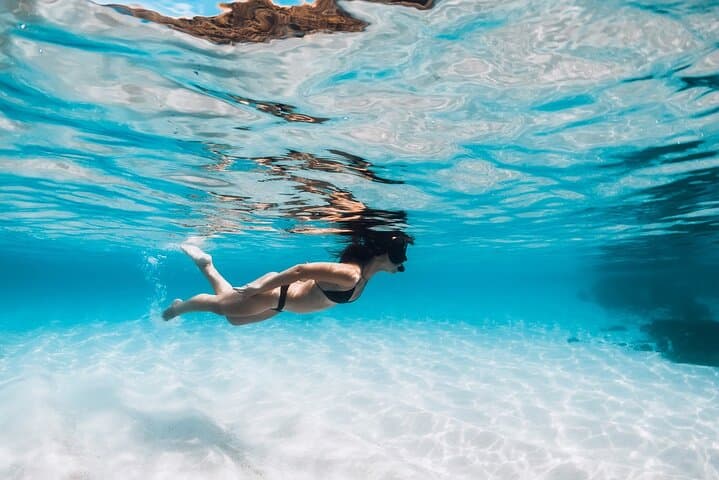
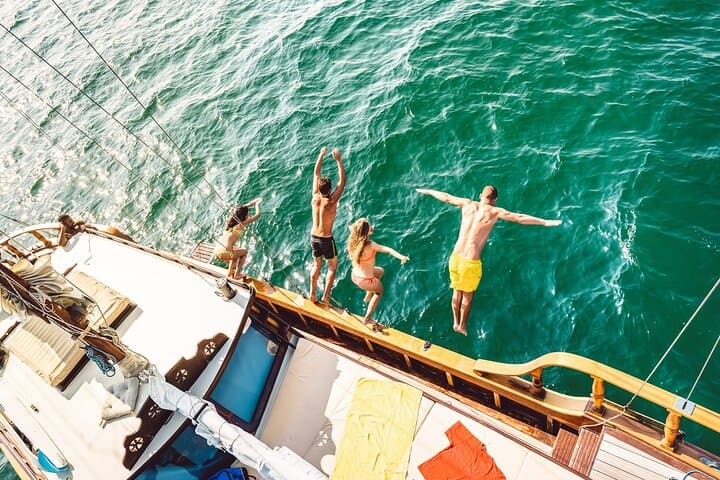
A thirty-minute transfer from Punta Cana’s center delivers you to the marina; within an hour the shore thins into a sandbar and the water changes from aquamarine to a clear, glassy blue. The boat spends roughly three hours on the water inside the Cabeza de Toro Natural Reserve—snorkeling over shallow coral bommies, paddling to a sandbar, and testing the boat’s slide for a quick adrenalin punch.
Geology here is recent: coral reef growth atop Pleistocene limestone creates the shallow banks and reefs that shelter tropical fish. Culturally, the area sits in La Altagracia province, an east-coast zone that shifted from cattle and sugar to tourism in the late 20th century; today small fishing communities still work these reefs.
Practical details are straightforward: total trip time about 4.5 hours (30-minute road transfer + 3 hours afloat + buffer), snorkeling gear provided, and professional guides manage equipment and basics. Expect warm water (78–82°F/26–28°C), sandy boat boarding, and occasional breeze-driven chop—morning departures usually mean gentler seas.
Pack reef-safe sunscreen, a waterproof phone case, light cover-up, and motion-sickness meds if you’re prone. Stay hydrated, secure valuables in a dry bag, and listen to the briefing before entering the water: corals are alive and fragile, and the best encounters come to those who watch and move slowly.
easy.
4–5 hours.
Suitable for most fitness levels; requires basic mobility for boarding and short swims while snorkeling.
Yes—masks, snorkels, and usually fins are provided and fitted by the crew prior to entering the water.
Yes—private pick-up and drop-off from the city center or participating hotels are included in the tour.
The excursion is family-friendly; life vests are available, and guides stay close, but non-swimmers should use a life jacket and remain near the shallow sandbar.
Operators monitor conditions; cancellations or rescheduling policies depend on timing, but you can cancel for a full refund at least 24 hours before departure per the tour policy.
The east coast of Hispaniola was historically a mix of Taíno settlement and later colonial agricultural land; tourism reshaped Punta Cana in the late 20th century into a marine-focused destination.
Cabeza de Toro sits near protected reef areas—use reef-safe sunscreen, avoid touching coral, and follow guides’ instructions to minimize impact on marine life.
taxiGo Limo Airport Service operates guided outdoor trips and adventures with an emphasis on safety, stewardship, and memorable experiences.
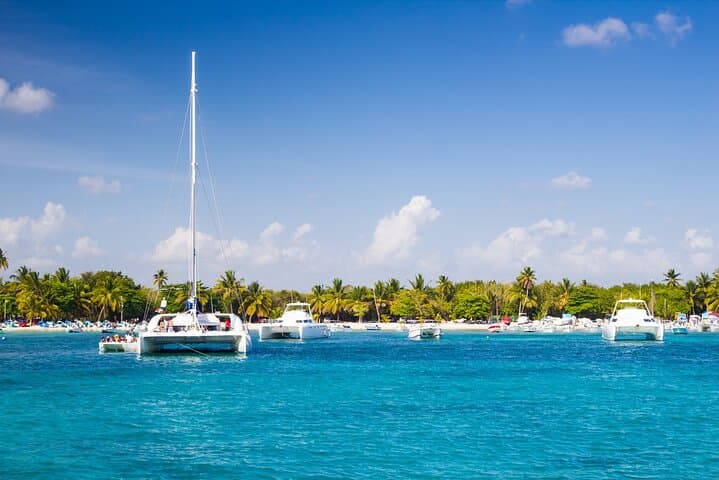

You step aboard a white-hulled catamaran as the hotel skyline slides astern, trade winds tugging at the sails and the Caribbean opening wide ahead.
You step aboard a white-hulled catamaran as the hotel skyline slides astern, trade winds tugging at the sails and the Caribbean opening wide ahead.
A thirty-minute transfer from Punta Cana’s center delivers you to the marina; within an hour the shore thins into a sandbar and the water changes from aquamarine to a clear, glassy blue. The boat spends roughly three hours on the water inside the Cabeza de Toro Natural Reserve—snorkeling over shallow coral bommies, paddling to a sandbar, and testing the boat’s slide for a quick adrenalin punch.
Geology here is recent: coral reef growth atop Pleistocene limestone creates the shallow banks and reefs that shelter tropical fish. Culturally, the area sits in La Altagracia province, an east-coast zone that shifted from cattle and sugar to tourism in the late 20th century; today small fishing communities still work these reefs.
Practical details are straightforward: total trip time about 4.5 hours (30-minute road transfer + 3 hours afloat + buffer), snorkeling gear provided, and professional guides manage equipment and basics. Expect warm water (78–82°F/26–28°C), sandy boat boarding, and occasional breeze-driven chop—morning departures usually mean gentler seas.
Pack reef-safe sunscreen, a waterproof phone case, light cover-up, and motion-sickness meds if you’re prone. Stay hydrated, secure valuables in a dry bag, and listen to the briefing before entering the water: corals are alive and fragile, and the best encounters come to those who watch and move slowly.