THE ADVENTURE COLLECTIVE® · Independent discovery and booking for outdoor travel

Soar up to 300 feet above Punta Cana’s turquoise coast on a private parasailing flight from Bavaro. This concise guide covers what to expect, a touch of local context, and practical tips to make the most of your aerial outing.
Soar up to 300 feet above Punta Cana’s turquoise coast on a private parasailing flight from Bavaro. This concise guide covers what to expect, a touch of local context, and practical tips to make the most of your aerial outing.
The boat slips away from shore and the coast falls open beneath you — a ribbon of white sand, rows of resort palms and the ocean laid out in impossible turquoise. The parachute fills, the motor hums, and in seconds you’re lifted toward 300 feet, the shore shrinking into patterns of reef and sun-slicked water. Wind tugs like a willing partner; the sea dares you to look down.
Verified experiences and guided adventures in the surrounding area.
Operated by Scape Caribe Tours & Travel · Punta Cana, La Altagracia
The boat slips away from shore and the coast falls open beneath you — a ribbon of white sand, rows of resort palms and the ocean laid out in impossible turquoise. The parachute fills, the motor hums, and in seconds you’re lifted toward 300 feet, the shore shrinking into patterns of reef and sun-slicked water. Wind tugs like a willing partner; the sea dares you to look down.
Punta Cana sits on the eastern tip of Hispaniola, where coral platforms and limestone shelf create the shallow, clear seas that make parasailing spectacular. The stretch of Bavaro beach grew rapidly as a resort corridor from the 1970s onward, built on older fishing settlements and sugarcane estates; the local markets and merengue rhythms still speak to that mix of coastal life and modern tourism.
This is a short, private aerial outing — a speedboat tow, a harnessed parachute and about 25–30 minutes of total experience. Mornings give calmer seas and cleaner air for photos; afternoons catch warmer light and a livelier shore scene. Guides supply safety gear, briefings and hotel transfers, so your main job is to arrive hydrated and sun-protected.
Practical essentials: wear a swimsuit and secure sunglasses, stow phones in waterproof pouches or hand them to staff for photos, and avoid heavy meals beforehand. Parasailing is low-impact physically but not suitable for those with spinal, pregnancy or serious heart conditions; operators can cancel in poor weather. Expect quick passenger rotations: boat launch, ascent, scenic aerial time, and a smooth boat pickup. When you glide back toward the water, the coast will feel freshly large — and you’ll understand why the turquoise here keeps drawing people skyward.
easy.
25–35 minutes.
Suitable for most people in light to moderate fitness; requires no climbing or swimming ability but steady balance for boarding.
Flights typically reach up to about 300 feet, giving broad views of Bavaro beach and offshore reef patterns.
Yes — parasailing here is guided by experienced crew who handle launching and retrieval; passengers need only follow safety instructions.
Phones and small cameras can be used but are best secured in waterproof pouches or handed to staff for inflight photos to avoid loss.
Operators cancel flights in high winds or storms for safety; you’re eligible for full refund if canceled at least 24 hours before departure per the booking policy.
Punta Cana’s modern resort era began in the 1970s on land historically tied to sugarcane and small fishing villages; the coastal economy shifted rapidly toward tourism in late 20th century.
Avoid touching reef or discharging sunscreen that contains oxybenzone near coral; choose operators that brief guests on minimal-impact practices and proper waste disposal.
Scape Caribe Tours & Travel operates guided outdoor trips and adventures with an emphasis on safety, stewardship, and memorable experiences.
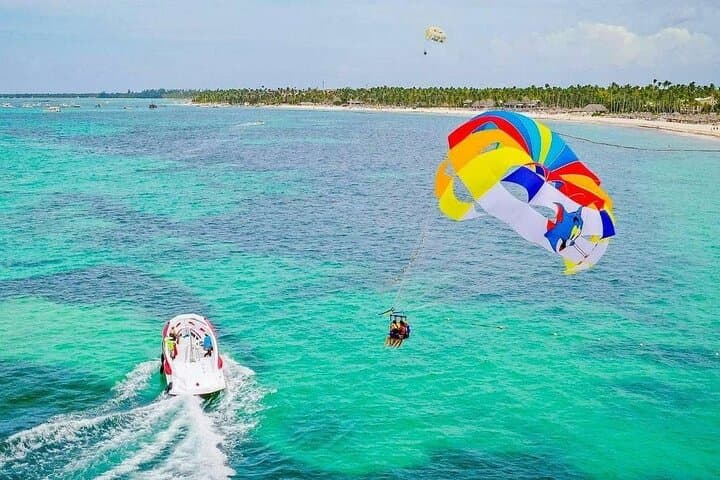
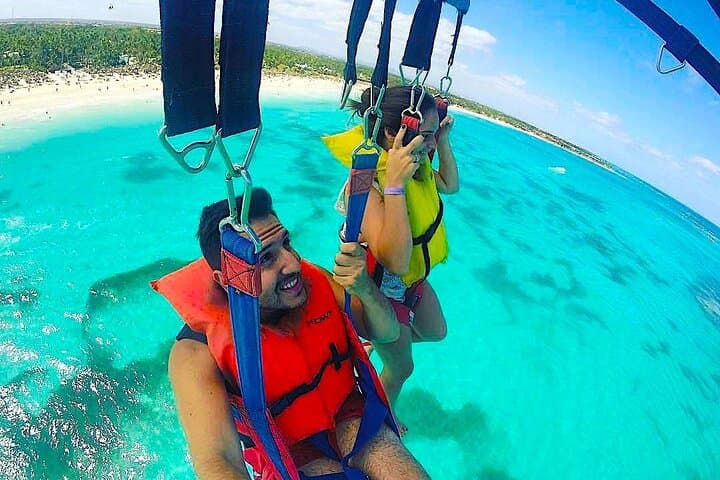
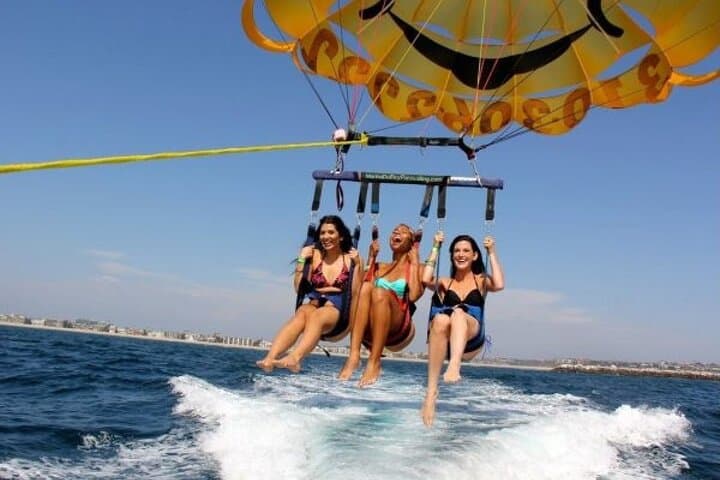
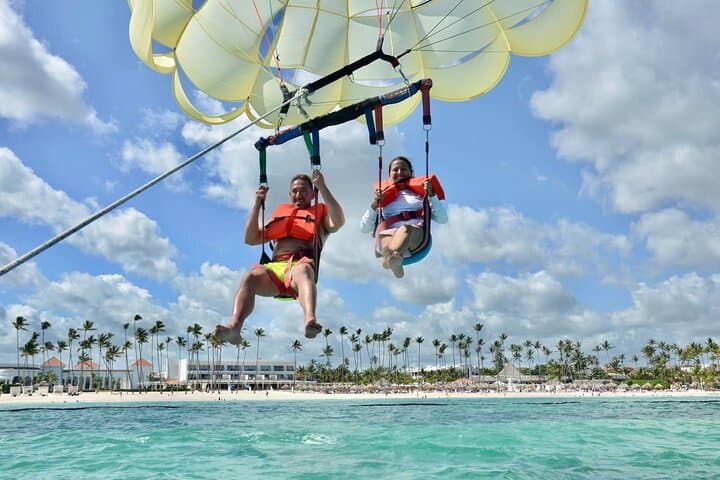
The boat slips away from shore and the coast falls open beneath you — a ribbon of white sand, rows of resort palms and the ocean laid out in impossible turquoise. The parachute fills, the motor hums, and in seconds you’re lifted toward 300 feet, the shore shrinking into patterns of reef and sun-slicked water. Wind tugs like a willing partner; the sea dares you to look down.
The boat slips away from shore and the coast falls open beneath you — a ribbon of white sand, rows of resort palms and the ocean laid out in impossible turquoise. The parachute fills, the motor hums, and in seconds you’re lifted toward 300 feet, the shore shrinking into patterns of reef and sun-slicked water. Wind tugs like a willing partner; the sea dares you to look down.
Punta Cana sits on the eastern tip of Hispaniola, where coral platforms and limestone shelf create the shallow, clear seas that make parasailing spectacular. The stretch of Bavaro beach grew rapidly as a resort corridor from the 1970s onward, built on older fishing settlements and sugarcane estates; the local markets and merengue rhythms still speak to that mix of coastal life and modern tourism.
This is a short, private aerial outing — a speedboat tow, a harnessed parachute and about 25–30 minutes of total experience. Mornings give calmer seas and cleaner air for photos; afternoons catch warmer light and a livelier shore scene. Guides supply safety gear, briefings and hotel transfers, so your main job is to arrive hydrated and sun-protected.
Practical essentials: wear a swimsuit and secure sunglasses, stow phones in waterproof pouches or hand them to staff for photos, and avoid heavy meals beforehand. Parasailing is low-impact physically but not suitable for those with spinal, pregnancy or serious heart conditions; operators can cancel in poor weather. Expect quick passenger rotations: boat launch, ascent, scenic aerial time, and a smooth boat pickup. When you glide back toward the water, the coast will feel freshly large — and you’ll understand why the turquoise here keeps drawing people skyward.