THE ADVENTURE COLLECTIVE® · Independent discovery and booking for outdoor travel

Lift above Bávaro’s coastline for a brief, panoramic parasailing flight that reveals Punta Cana’s turquoise shallows, coral heads and sweeping beaches. Fast, accessible, and photo-ready — a practical way to add an aerial perspective to a beach vacation.
Lift above Bávaro’s coastline for a brief, panoramic parasailing flight that reveals Punta Cana’s turquoise shallows, coral heads and sweeping beaches. Fast, accessible, and photo-ready — a practical way to add an aerial perspective to a beach vacation.
The boat peels away from a palm-fringed shore and the kite fills like a patient creature learning to fly — you rise, the ocean opens, and Punta Cana folds beneath you in bands of turquoise and white.
Verified experiences and guided adventures in the surrounding area.
Operated by Shelting Tours · Punta Cana, La Altagracia
The boat peels away from a palm-fringed shore and the kite fills like a patient creature learning to fly — you rise, the ocean opens, and Punta Cana folds beneath you in bands of turquoise and white.
This short parasailing flight delivers a concentrated panorama: Bávaro, Macao, Juanillo, Cap Cana and the coral-heads off Cabeza de Toro. The coastline here is recent in human terms — large-scale tourism and hotel development accelerated in the 1970s and 1980s — but the geology is older: a limestone platform fringed by coral reefs that shape the shallow, clear waters.
Locally, the ride sits at the intersection of beach culture and small-boat fisheries; captains often point out sandbars, reef breaks and the occasional turtle. The coral reefs you’ll see are living structures that influence water color and marine life, so operators usually brief guests on not dropping gear or reaching into the sea.
Practical notes: the flight itself is brief (roughly 10–15 minutes airborne) but factor in check-in, safety briefing and transit to the boat — plan for 30–60 minutes total. You’ll be clipped into a harness and tethered to a speedboat; take photos with a secured camera or phone strap. Expect light ocean spray, steady coastal winds and clear sightlines on fair-weather days. Avoid parasailing with recent back injuries or pregnancy; operators enforce weight and health restrictions. Bring reef-safe sunscreen, a windproof layer for the ride back, and motion-sickness medication if you’re prone to seasickness. The experience is accessible, dramatic, and a fast way to appreciate Punta Cana’s coastal geography from an aerial perspective.
easy.
30–60 minutes.
Minimal fitness required; participants should be able to climb a short ladder and sit in a harness.
The airborne portion typically lasts 10–15 minutes; allowance for briefing and boat transit brings total time to 30–60 minutes.
Operators enforce weight limits and minimum age requirements; check the operator’s policy when booking and disclose any special needs.
Flights are weather-dependent — operators will cancel or reschedule if winds or sea conditions are unsafe; full refunds are usually available if canceled more than 24 hours prior.
Yes, but secure it with a tether or waterproof case; many operators prohibit loose, hand-held cameras while airborne for safety.
The Punta Cana corridor transformed from small fishing communities to a major resort zone beginning in the 1970s, driven by international tourism and coastal development.
The area’s coral reefs are sensitive; choose operators that follow reef-friendly practices and avoid throwing gear overboard.
Shelting Tours operates guided outdoor trips and adventures with an emphasis on safety, stewardship, and memorable experiences.
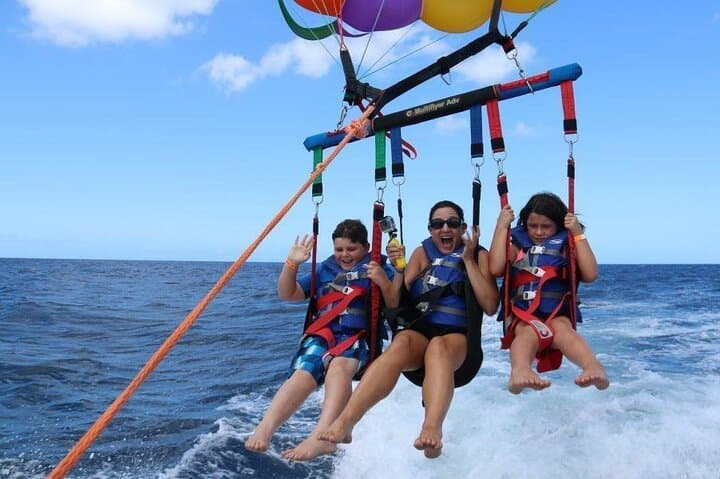
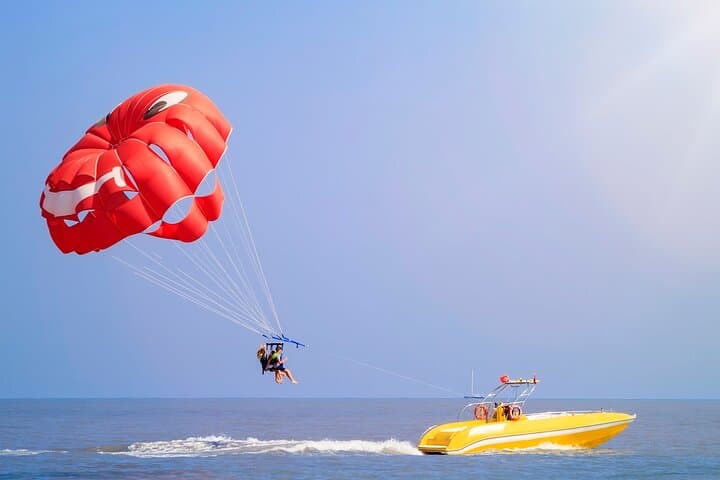
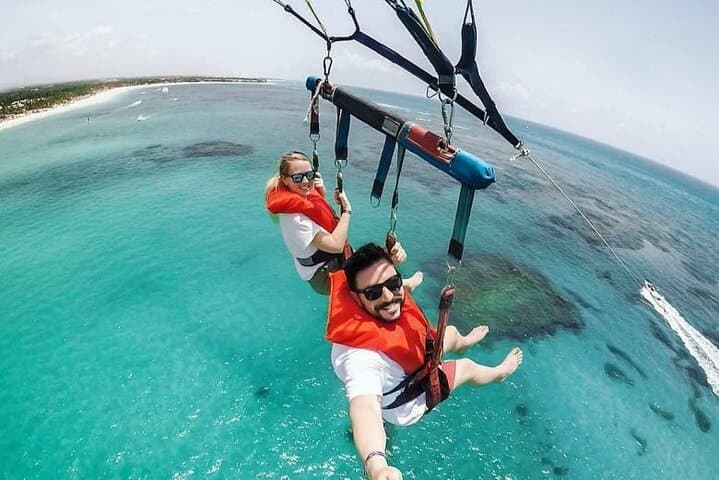
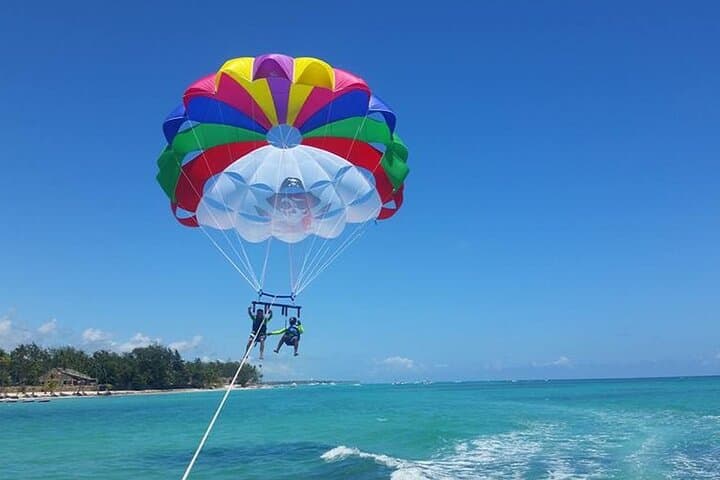
The boat peels away from a palm-fringed shore and the kite fills like a patient creature learning to fly — you rise, the ocean opens, and Punta Cana folds beneath you in bands of turquoise and white.
The boat peels away from a palm-fringed shore and the kite fills like a patient creature learning to fly — you rise, the ocean opens, and Punta Cana folds beneath you in bands of turquoise and white.
This short parasailing flight delivers a concentrated panorama: Bávaro, Macao, Juanillo, Cap Cana and the coral-heads off Cabeza de Toro. The coastline here is recent in human terms — large-scale tourism and hotel development accelerated in the 1970s and 1980s — but the geology is older: a limestone platform fringed by coral reefs that shape the shallow, clear waters.
Locally, the ride sits at the intersection of beach culture and small-boat fisheries; captains often point out sandbars, reef breaks and the occasional turtle. The coral reefs you’ll see are living structures that influence water color and marine life, so operators usually brief guests on not dropping gear or reaching into the sea.
Practical notes: the flight itself is brief (roughly 10–15 minutes airborne) but factor in check-in, safety briefing and transit to the boat — plan for 30–60 minutes total. You’ll be clipped into a harness and tethered to a speedboat; take photos with a secured camera or phone strap. Expect light ocean spray, steady coastal winds and clear sightlines on fair-weather days. Avoid parasailing with recent back injuries or pregnancy; operators enforce weight and health restrictions. Bring reef-safe sunscreen, a windproof layer for the ride back, and motion-sickness medication if you’re prone to seasickness. The experience is accessible, dramatic, and a fast way to appreciate Punta Cana’s coastal geography from an aerial perspective.