THE ADVENTURE COLLECTIVE® · Independent discovery and booking for outdoor travel

Earn your PADI Open Water certification in Punta Cana over two to three days of pool and ocean training at a private Bavaro resort. Expect classroom theory, confined-water skills, and supervised open-water dives among Caribbean reefs.
Earn your PADI Open Water certification in Punta Cana over two to three days of pool and ocean training at a private Bavaro resort. Expect classroom theory, confined-water skills, and supervised open-water dives among Caribbean reefs.
Salt air and high sun: the Caribbean pushes against the white sand of Bavaro as students gather by a private resort pool to begin PADI Open Water training. The first day moves deliberately — classroom briefings, confined-water skill drills in a warm pool, and surface swimming that primes novices for the weightless world below.
Verified experiences and guided adventures in the surrounding area.
Operated by SeaPro Divers · Punta Cana, La Altagracia
Salt air and high sun: the Caribbean pushes against the white sand of Bavaro as students gather by a private resort pool to begin PADI Open Water training. The first day moves deliberately — classroom briefings, confined-water skill drills in a warm pool, and surface swimming that primes novices for the weightless world below.
The Dominican shore here rides the edge of the Caribbean shelf; shallow reefs and sandy flats give way to coral gardens that attract reef fish and occasional rays. Diving instruction in Punta Cana blends modern dive pedagogy with local seafaring tradition — many instructors cut their teeth guiding sport divers off the same beaches that supported historic coastal fishing villages.
Expect two to three days of coursework: theory and pool skills, followed by multiple open-water dives under instructor supervision. The ocean will have personality — gentle on calm days, lively with current at times — and the course emphasizes controlled ascent rates, buddy checks, and buoyancy practice.
Practical guidance: arrive well-hydrated and rested, and complete the health questionnaire honestly. Don’t plan air travel within 24 hours of your final dive. Bring swimwear, reef-safe sunscreen, and a light rashguard; most schools provide regulators, BCDs, and tanks. Minimum age is 10, and a moderate fitness level is recommended.
By course end students receive a recognized PADI certification card, opening access to reefs around the Caribbean. The experience is part technical training, part introduction to a new element — the sea that will challenge and reward with equal measure.
moderate.
2–3 days.
Moderate — comfortable swimming ability and basic cardiovascular fitness; be able to tread water and swim 200m.
The PADI Open Water course typically includes confined-water sessions plus at least four open-water dives over two to three days to meet certification standards.
Yes — students should be comfortable in water and able to swim; instructors teach diving-specific skills but expect basic swimming competence.
The minimum age for PADI Open Water certification is 10 years old; younger students receive a Junior Open Water rating with some depth limits.
Most schools provide regulators, BCDs, tanks, and weights; bring your own mask and snorkel for fit, though rental is usually available.
The coastline around Punta Cana was used by Taíno communities and later became a hub for fishing and small-scale trade before tourism transformed the area in the late 20th century.
Choose operators that practice reef-safe anchoring and use reef-friendly sunscreen; local groups work to monitor reef health and limit anchor damage.
SeaPro Divers operates guided outdoor trips and adventures with an emphasis on safety, stewardship, and memorable experiences.
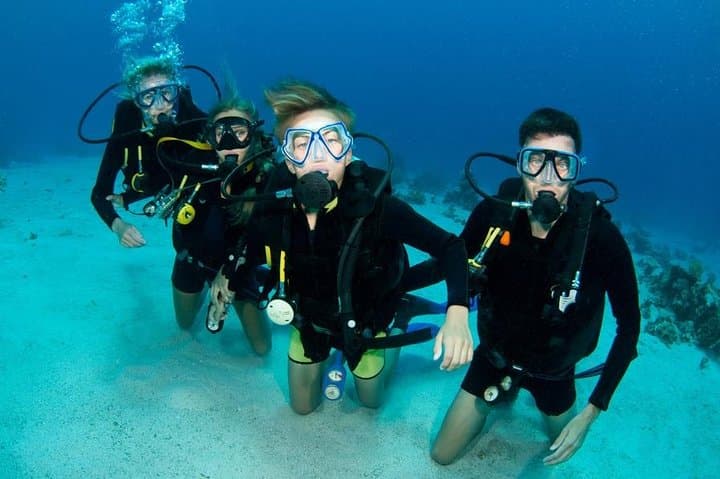
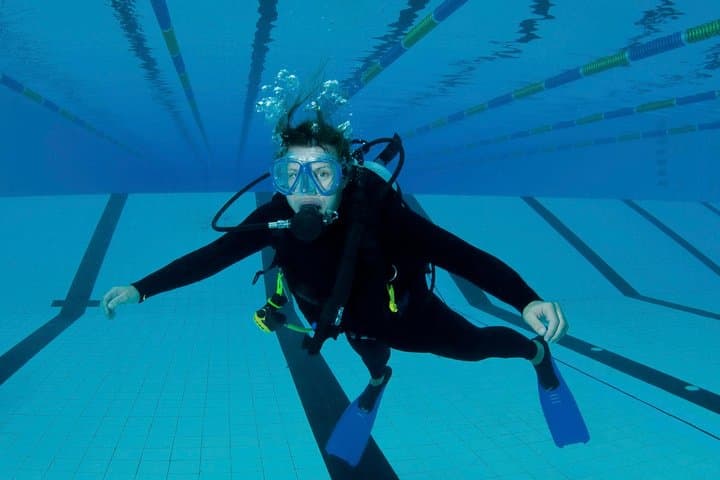
Salt air and high sun: the Caribbean pushes against the white sand of Bavaro as students gather by a private resort pool to begin PADI Open Water training. The first day moves deliberately — classroom briefings, confined-water skill drills in a warm pool, and surface swimming that primes novices for the weightless world below.
Salt air and high sun: the Caribbean pushes against the white sand of Bavaro as students gather by a private resort pool to begin PADI Open Water training. The first day moves deliberately — classroom briefings, confined-water skill drills in a warm pool, and surface swimming that primes novices for the weightless world below.
The Dominican shore here rides the edge of the Caribbean shelf; shallow reefs and sandy flats give way to coral gardens that attract reef fish and occasional rays. Diving instruction in Punta Cana blends modern dive pedagogy with local seafaring tradition — many instructors cut their teeth guiding sport divers off the same beaches that supported historic coastal fishing villages.
Expect two to three days of coursework: theory and pool skills, followed by multiple open-water dives under instructor supervision. The ocean will have personality — gentle on calm days, lively with current at times — and the course emphasizes controlled ascent rates, buddy checks, and buoyancy practice.
Practical guidance: arrive well-hydrated and rested, and complete the health questionnaire honestly. Don’t plan air travel within 24 hours of your final dive. Bring swimwear, reef-safe sunscreen, and a light rashguard; most schools provide regulators, BCDs, and tanks. Minimum age is 10, and a moderate fitness level is recommended.
By course end students receive a recognized PADI certification card, opening access to reefs around the Caribbean. The experience is part technical training, part introduction to a new element — the sea that will challenge and reward with equal measure.