THE ADVENTURE COLLECTIVE® · Independent discovery and booking for outdoor travel

Spend three hours meeting playful squirrel monkeys, tasting farm‑fresh coffee and mamajuana, and cooling off in a limestone cenote outside Punta Cana. This family‑friendly tour mixes hands‑on wildlife encounters with cultural tasting and a short, scenic swim.
Spend three hours meeting playful squirrel monkeys, tasting farm‑fresh coffee and mamajuana, and cooling off in a limestone cenote outside Punta Cana. This family‑friendly tour mixes hands‑on wildlife encounters with cultural tasting and a short, scenic swim.
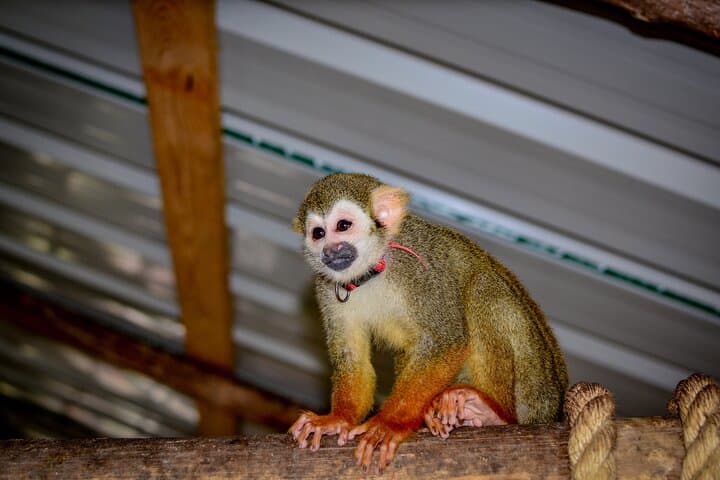
You step off the air-conditioned van into humid air that smells of wet earth and fresh-cut sugarcane; nearby branches chatter as squirrel monkeys claim the trees. At Evolution Adventure Park the small primates are curious and quick, darting across shoulders and testing pockets for treats while your guide explains their behavior and the sanctuary’s role in rehabilitation.
Verified experiences and guided adventures in the surrounding area.
Operated by Evolution Adventure Park · Punta Cana, La Altagracia
You step off the air-conditioned van into humid air that smells of wet earth and fresh-cut sugarcane; nearby branches chatter as squirrel monkeys claim the trees. At Evolution Adventure Park the small primates are curious and quick, darting across shoulders and testing pockets for treats while your guide explains their behavior and the sanctuary’s role in rehabilitation.
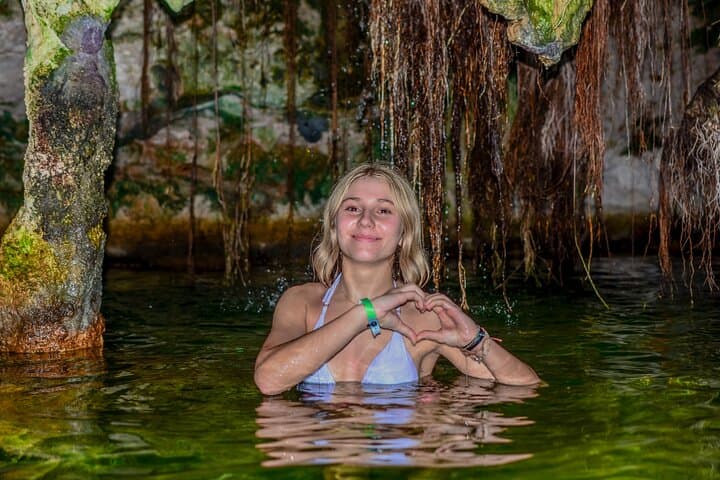
This part of eastern Hispaniola sits on limestone bedrock carved by ancient groundwater, so cenotes—clear underground-fed pools—appear where the roof has collapsed. The plantation visit follows, where coffee, cacao and mamajuana are grown and processed using techniques that blend Indigenous Taíno influences and Spanish-era agricultural practices. Local guides link each tasting to the island’s cultural rhythms: morning coffee, afternoon siestas, and herbs used for home remedies.
Expect three focused hours of activity: a guided monkey interaction, a short farm tour with tastings, and a refreshing cenote swim. Trails are short but can be uneven; the cenote requires basic swimming. The pace is deliberate—time to learn, to hold a small monkey, to taste bitter-sweet coffee and the woodsy mamajuana—then slip into cool water as palms sway above, the cenote almost daring you to forget the heat.
Practical notes: bring reef-safe sunscreen, a change of clothes, and small local currency for souvenirs. Wear sturdy sandals or lightweight hiking shoes that can handle mud. Book morning slots to avoid peak heat and to see the monkeys at their liveliest.
moderate.
3 hours.
Light to moderate fitness; able to walk short uneven trails and swim in calm water.
Yes; the tour is family‑friendly but infants must sit on an adult’s lap and interactions may vary by age and behavior.
Yes; the guide monitors the group and life jackets are provided for those who prefer them.
Small personal items are fine, but large coolers aren’t practical; there are short walks between areas.
The sanctuary operates guided, supervised interactions focused on animal welfare and education—follow staff instructions at all times.
This region’s agricultural patterns reflect Taíno land use and Spanish colonial plantations; coffee and cacao have been cultivated here for centuries.
The site combines rehabilitation for rescued primates with sustainable farm practices; visitors are asked to follow guidelines to minimize stress to animals and protect water quality.
Evolution Adventure Park operates guided outdoor trips and adventures with an emphasis on safety, stewardship, and memorable experiences.
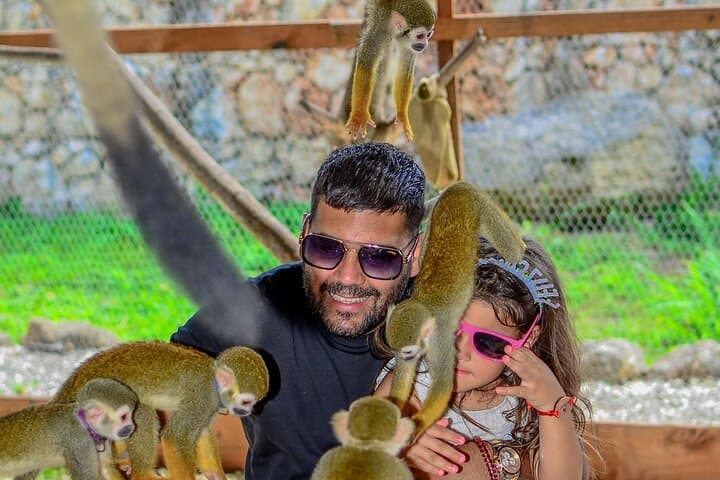
You step off the air-conditioned van into humid air that smells of wet earth and fresh-cut sugarcane; nearby branches chatter as squirrel monkeys claim the trees. At Evolution Adventure Park the small primates are curious and quick, darting across shoulders and testing pockets for treats while your guide explains their behavior and the sanctuary’s role in rehabilitation.
You step off the air-conditioned van into humid air that smells of wet earth and fresh-cut sugarcane; nearby branches chatter as squirrel monkeys claim the trees. At Evolution Adventure Park the small primates are curious and quick, darting across shoulders and testing pockets for treats while your guide explains their behavior and the sanctuary’s role in rehabilitation.
This part of eastern Hispaniola sits on limestone bedrock carved by ancient groundwater, so cenotes—clear underground-fed pools—appear where the roof has collapsed. The plantation visit follows, where coffee, cacao and mamajuana are grown and processed using techniques that blend Indigenous Taíno influences and Spanish-era agricultural practices. Local guides link each tasting to the island’s cultural rhythms: morning coffee, afternoon siestas, and herbs used for home remedies.
Expect three focused hours of activity: a guided monkey interaction, a short farm tour with tastings, and a refreshing cenote swim. Trails are short but can be uneven; the cenote requires basic swimming. The pace is deliberate—time to learn, to hold a small monkey, to taste bitter-sweet coffee and the woodsy mamajuana—then slip into cool water as palms sway above, the cenote almost daring you to forget the heat.
Practical notes: bring reef-safe sunscreen, a change of clothes, and small local currency for souvenirs. Wear sturdy sandals or lightweight hiking shoes that can handle mud. Book morning slots to avoid peak heat and to see the monkeys at their liveliest.