THE ADVENTURE COLLECTIVE® · Independent discovery and booking for outdoor travel

See Cap Cana’s marina, the fishing village of Cabeza de Toro, and Bávaro’s white-sand beaches from a helicopter — an 85-minute coastal flight that pairs striking aerial vistas with on-board narration and small-group seating.
See Cap Cana’s marina, the fishing village of Cabeza de Toro, and Bávaro’s white-sand beaches from a helicopter — an 85-minute coastal flight that pairs striking aerial vistas with on-board narration and small-group seating.
You step onto the helipad with the ocean in your peripheral vision — the rotor wash tastes of salt and sun. In minutes the island below rearranges itself: a patchwork of aqua shallows, the engineered curves of Cap Cana Marina, and villas that seem to float above palm shadows. The helicopter climbs, and the shorelines of Bávaro and Cabeza de Toro unfurl, reefs teasing the surface like raised seams.
Verified experiences and guided adventures in the surrounding area.
Operated by Runners Adventures · Punta Cana, La Altagracia
You step onto the helipad with the ocean in your peripheral vision — the rotor wash tastes of salt and sun. In minutes the island below rearranges itself: a patchwork of aqua shallows, the engineered curves of Cap Cana Marina, and villas that seem to float above palm shadows. The helicopter climbs, and the shorelines of Bávaro and Cabeza de Toro unfurl, reefs teasing the surface like raised seams.
This short aerial circuit highlights the Dominican Republic’s younger coastal geography: coral barrier reefs, broad offshore sandbars, and beaches shaped by longshore currents. Cap Cana’s marina is a modern marker of recent luxury development; nearby fishing villages retain a quieter, working pace. From the air you’ll see dolphinariums and tourist aquariums where captive and wild dolphins are often visible in clear water.
Culture here mixes Caribbean rhythms with international tourism — Spanish is primary, but English is common at resorts. The flight is both sightseeing and practical: pilots point out landmarks like the Coco Bongo dome and the white-sand crescent of Playa Bávaro.
Practicalities: tours depart from White Sands or Cap Cana helipad, last about 85 minutes, and typically seat small groups (max three in shared bookings). Operators supply headphones for narration; transfers are usually air-conditioned. Not recommended for people with serious heart conditions; infants ride on laps. Book early for morning light and to avoid onshore winds that can alter routes. Bring sunscreen, a secured camera, and a light layer — the wind on takeoff feels colder than the beach below.
easy.
1–1.5 hours.
Suitable for most fitness levels; boarding involves a short walk and low physical exertion
The advertised duration is about 85 minutes total, including the flight loop over Cap Cana, Cabeza de Toro, Punta Cana and a coastal return.
Flights depart from the White Sands helipad or the Cap Cana helipad; your booking will specify the meeting point and transfer details.
Yes — infants must sit on an adult’s lap. Operators may request age and weight information for safety planning.
Tours can be canceled for bad weather; the operator typically offers a full refund if canceled at least 24 hours in advance or will rebook for safety reasons.
The Punta Cana coastline was sparsely developed until the late 20th century when resort and marina construction transformed the area into an international tourism hub.
Coral reef health is fragile here; choose operators that avoid low-altitude flights over shallow reefs and support local marine protection initiatives.
Runners Adventures operates guided outdoor trips and adventures with an emphasis on safety, stewardship, and memorable experiences.
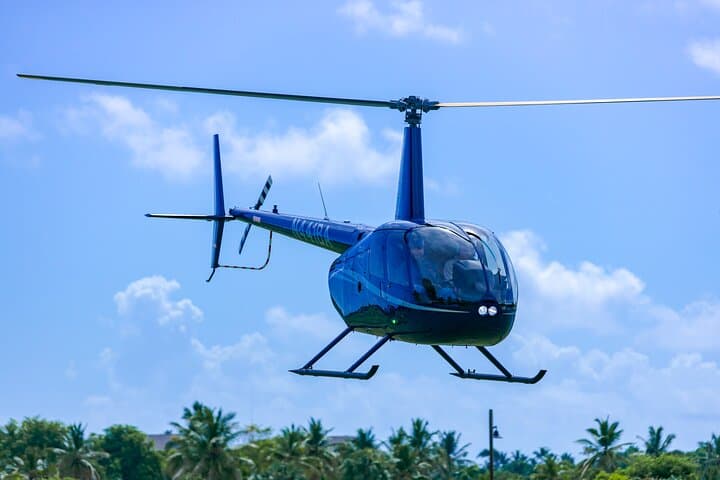
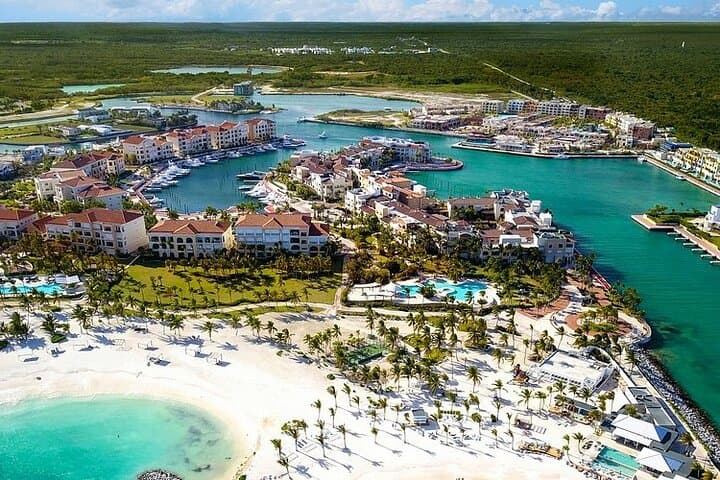
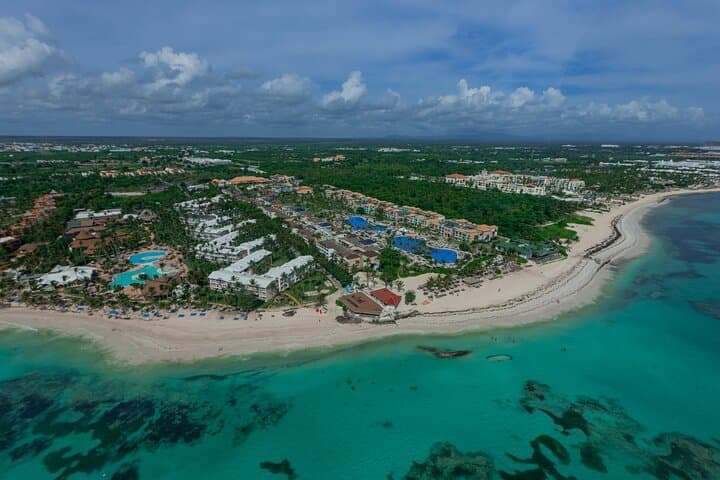
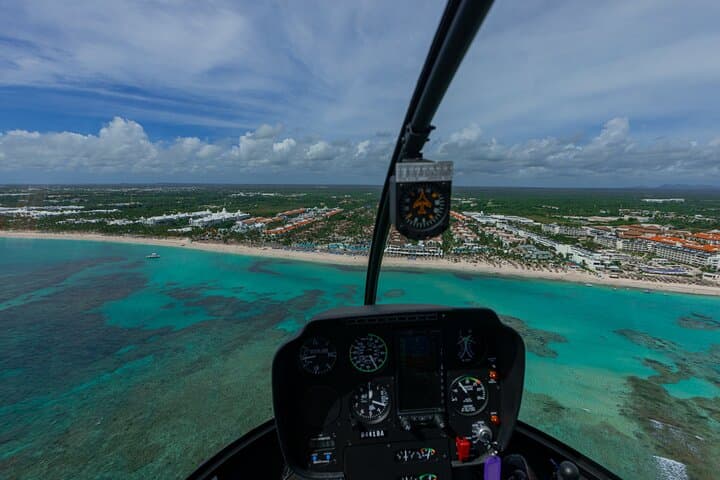
You step onto the helipad with the ocean in your peripheral vision — the rotor wash tastes of salt and sun. In minutes the island below rearranges itself: a patchwork of aqua shallows, the engineered curves of Cap Cana Marina, and villas that seem to float above palm shadows. The helicopter climbs, and the shorelines of Bávaro and Cabeza de Toro unfurl, reefs teasing the surface like raised seams.
You step onto the helipad with the ocean in your peripheral vision — the rotor wash tastes of salt and sun. In minutes the island below rearranges itself: a patchwork of aqua shallows, the engineered curves of Cap Cana Marina, and villas that seem to float above palm shadows. The helicopter climbs, and the shorelines of Bávaro and Cabeza de Toro unfurl, reefs teasing the surface like raised seams.
This short aerial circuit highlights the Dominican Republic’s younger coastal geography: coral barrier reefs, broad offshore sandbars, and beaches shaped by longshore currents. Cap Cana’s marina is a modern marker of recent luxury development; nearby fishing villages retain a quieter, working pace. From the air you’ll see dolphinariums and tourist aquariums where captive and wild dolphins are often visible in clear water.
Culture here mixes Caribbean rhythms with international tourism — Spanish is primary, but English is common at resorts. The flight is both sightseeing and practical: pilots point out landmarks like the Coco Bongo dome and the white-sand crescent of Playa Bávaro.
Practicalities: tours depart from White Sands or Cap Cana helipad, last about 85 minutes, and typically seat small groups (max three in shared bookings). Operators supply headphones for narration; transfers are usually air-conditioned. Not recommended for people with serious heart conditions; infants ride on laps. Book early for morning light and to avoid onshore winds that can alter routes. Bring sunscreen, a secured camera, and a light layer — the wind on takeoff feels colder than the beach below.