THE ADVENTURE COLLECTIVE® · Independent discovery and booking for outdoor travel

Taste Punta Cana in one focused evening: three local stops showcasing appetizers, hearty mains like mofongo and sancocho, and a cocktail finish. This half‑day tour pairs culinary history with easy walking and included transport.
Taste Punta Cana in one focused evening: three local stops showcasing appetizers, hearty mains like mofongo and sancocho, and a cocktail finish. This half‑day tour pairs culinary history with easy walking and included transport.
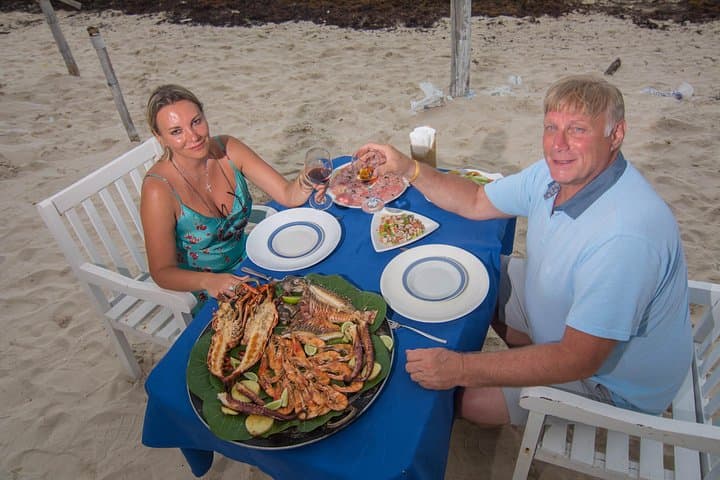
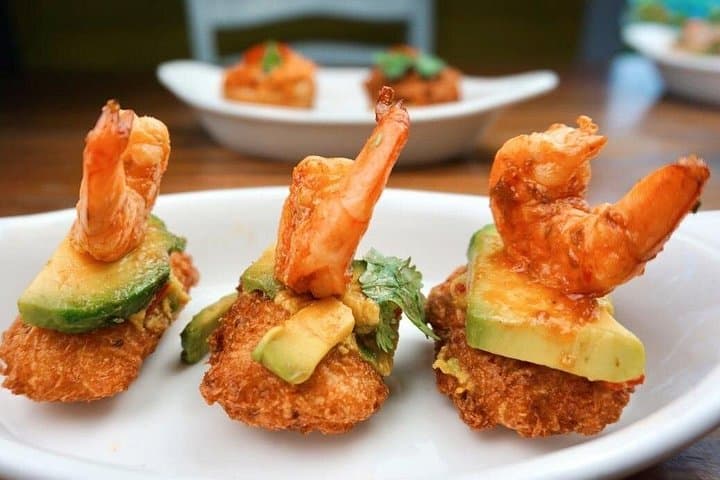
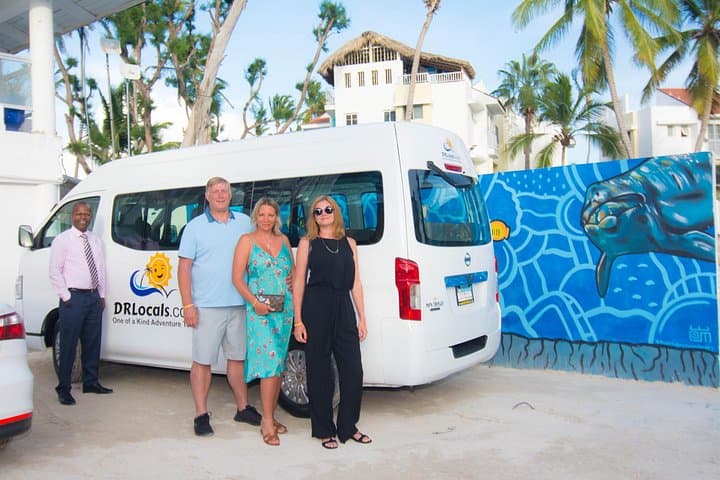
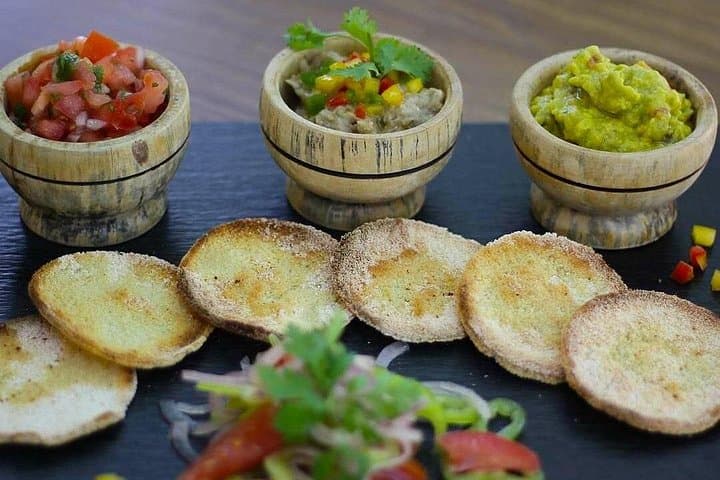
The first bite arrives before the headlights dim: you step from an air‑conditioned van into a warm street where plantains crackle and rum steam rises from metal shakers. The guide steers the group through three carefully chosen stops — a modest comedor for picaderas, a sit‑down restaurant for sancocho or mofongo, and a lively bar where cocktails close the evening — and the city’s coastal breeze gently pushes the heat aside as conversations swell.
Verified experiences and guided adventures in the surrounding area.
Operated by DRlocals · Punta Cana, La Altagracia
The first bite arrives before the headlights dim: you step from an air‑conditioned van into a warm street where plantains crackle and rum steam rises from metal shakers. The guide steers the group through three carefully chosen stops — a modest comedor for picaderas, a sit‑down restaurant for sancocho or mofongo, and a lively bar where cocktails close the evening — and the city’s coastal breeze gently pushes the heat aside as conversations swell.
Food in the Dominican Republic traces Taino root crops, Spanish techniques and West African seasonings; Punta Cana’s plates are a coastal, working‑class interpretation of those threads. Geologically, the area’s low limestone plains and nearby coral reefs shaped settlement patterns and seafood traditions; culturally, family‑run colmados and open kitchens still set the rhythm of daily life.
Practical guidance matters: the tour runs about four hours with light walking between stops and occasional market crowds. Expect fried cassava, tostones rellenos, and a rum shot — communicate dietary restrictions when booking. Wear comfortable shoes for uneven sidewalks, bring small bills for souvenirs and tips, and time the tour early in the evening to avoid the late‑night rush.
The experience balances taste education and nightlife sampling: guests learn dish histories, sample local spirits, and watch cooks at work. For travelers who want a compact, social way to read Punta Cana through its flavors, this half‑day offers a focused, flavorful primer.
easy.
3–4 hours.
Light—suitable for most fitness levels; requires standing and short walks between stops
Yes — round‑trip transportation from central Punta Cana pickup points is included; provide your pickup location when booking.
Guides can notify restaurants in advance but options are limited at street vendors; list allergies when you reserve.
This shared tour runs with small groups — the booking lists a small maximum to keep stops intimate and service personal.
Yes — the tour is family friendly, but menus can include strong spices and alcoholic tastings for adults only.
Dominican cuisine fuses Pre‑Columbian Taino staples, Spanish livestock influences, and African techniques introduced during the colonial era, creating dishes like mangú and sancocho.
Support local fisheries and family businesses; avoid single‑use plastics and ask about sourcing for seafood dishes to reduce pressure on coral reef stocks.
DRlocals operates guided outdoor trips and adventures with an emphasis on safety, stewardship, and memorable experiences.
The first bite arrives before the headlights dim: you step from an air‑conditioned van into a warm street where plantains crackle and rum steam rises from metal shakers. The guide steers the group through three carefully chosen stops — a modest comedor for picaderas, a sit‑down restaurant for sancocho or mofongo, and a lively bar where cocktails close the evening — and the city’s coastal breeze gently pushes the heat aside as conversations swell.
The first bite arrives before the headlights dim: you step from an air‑conditioned van into a warm street where plantains crackle and rum steam rises from metal shakers. The guide steers the group through three carefully chosen stops — a modest comedor for picaderas, a sit‑down restaurant for sancocho or mofongo, and a lively bar where cocktails close the evening — and the city’s coastal breeze gently pushes the heat aside as conversations swell.
Food in the Dominican Republic traces Taino root crops, Spanish techniques and West African seasonings; Punta Cana’s plates are a coastal, working‑class interpretation of those threads. Geologically, the area’s low limestone plains and nearby coral reefs shaped settlement patterns and seafood traditions; culturally, family‑run colmados and open kitchens still set the rhythm of daily life.
Practical guidance matters: the tour runs about four hours with light walking between stops and occasional market crowds. Expect fried cassava, tostones rellenos, and a rum shot — communicate dietary restrictions when booking. Wear comfortable shoes for uneven sidewalks, bring small bills for souvenirs and tips, and time the tour early in the evening to avoid the late‑night rush.
The experience balances taste education and nightlife sampling: guests learn dish histories, sample local spirits, and watch cooks at work. For travelers who want a compact, social way to read Punta Cana through its flavors, this half‑day offers a focused, flavorful primer.