THE ADVENTURE COLLECTIVE® · Independent discovery and booking for outdoor travel

Browse Punta Cana’s markets with an expert guide who points out authentic larimar, amber, handcrafts, and bargaining strategies. Two hours of curated stops and cultural context make this a low‑effort way to shop smart on the island.
Browse Punta Cana’s markets with an expert guide who points out authentic larimar, amber, handcrafts, and bargaining strategies. Two hours of curated stops and cultural context make this a low‑effort way to shop smart on the island.
You step from an air‑conditioned van into the humid Caribbean breeze, palms swaying and shop awnings fluttering. The guide points toward a narrow lane where wooden stalls, boutique storefronts, and a few modern malls collide — the pulse of Punta Cana’s souvenir scene. Voices call out in Spanish and English; the smell of fried plantains drifts from a nearby vendor. This is where travel memories become objects.
Verified experiences and guided adventures in the surrounding area.
Operated by Flash Tour & Travel · Punta Cana, La Altagracia
You step from an air‑conditioned van into the humid Caribbean breeze, palms swaying and shop awnings fluttering. The guide points toward a narrow lane where wooden stalls, boutique storefronts, and a few modern malls collide — the pulse of Punta Cana’s souvenir scene. Voices call out in Spanish and English; the smell of fried plantains drifts from a nearby vendor. This is where travel memories become objects.
The Dominican Republic’s craft traditions draw from Taíno, African, and Spanish influences. Local artisans work with amber and silver, carve mahogany, and stitch colorful textiles — raw materials tied to island geology and trade history. Punta Cana’s coastline is built on limestone and coral; inland, sugarcane fields and colonial trade routes shaped what goods are made and sold here.
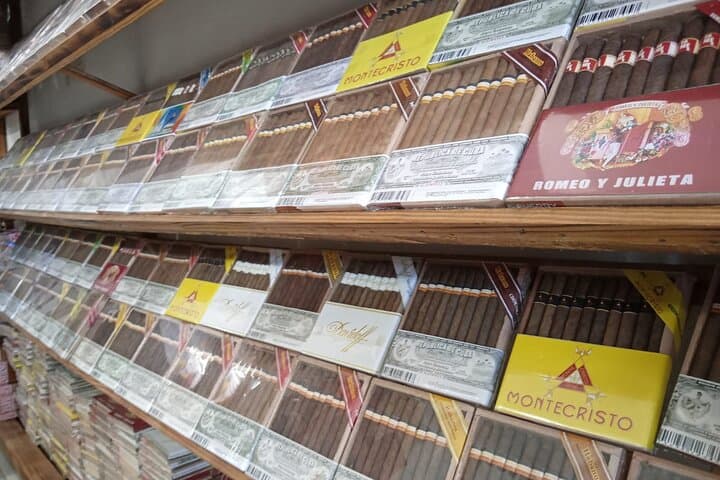
A guided shopping tour accelerates discovery: your guide introduces trusted artisans, explains the origin of larimar and amber, and helps navigate language and prices. Expect a mix of curated boutiques and open markets, options for jewelry, rum, cigars, and handwoven goods. The pace is relaxed: two hours of stops with time for bargaining and close inspection.
Practical advice: carry small bills and local currency for better deals, inspect stones and ask for provenance, and set aside time mid‑morning or late afternoon to avoid heat. Keep essentials in a zippered bag and confirm pickup details with your operator. Respect local customs, ask before photographing artisans, and be realistic about warranties — many purchases are final. With preparation and a sharp eye, a shopping tour in Punta Cana leaves you with authentic finds and stories about the people who made them.
easy.
2 hours.
Suitable for all fitness levels; mostly standing and short walks
Yes — while cards work at some shops, many vendors accept only cash or offer better prices for cash payments.
Yes — local guides typically assist with language and negotiating fair prices on your behalf.
Many pick‑up vehicles and market areas are accessible, but some stalls have uneven terrain—check with the operator for specific needs.
Most market purchases are final—ask about return policies before buying higher‑value items like jewelry.
Punta Cana’s modern tourism boom began in the 1970s, but craft traditions here reflect Taíno roots and colonial trade routes that introduced new materials and markets.
Buy sustainably: prefer reclaimed wood and certified stones, avoid archaeological artifacts, and ask vendors about sourcing to reduce pressure on local resources.
Flash Tour & Travel operates guided outdoor trips and adventures with an emphasis on safety, stewardship, and memorable experiences.
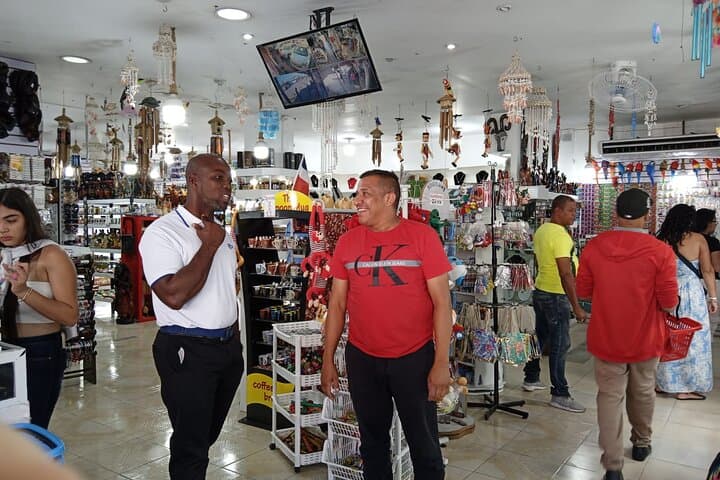
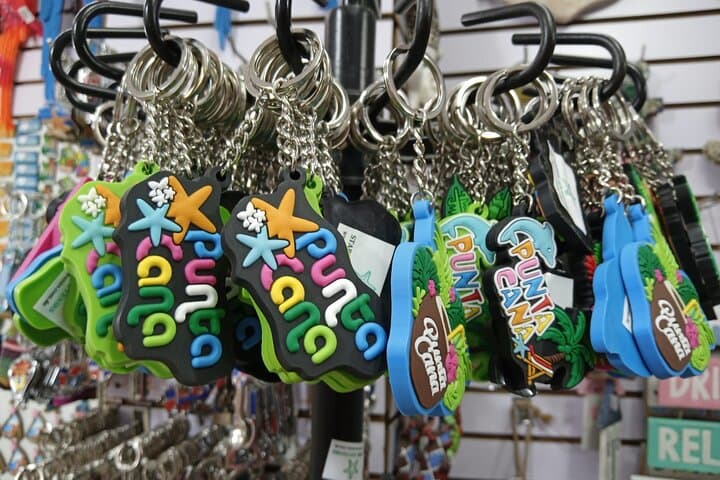
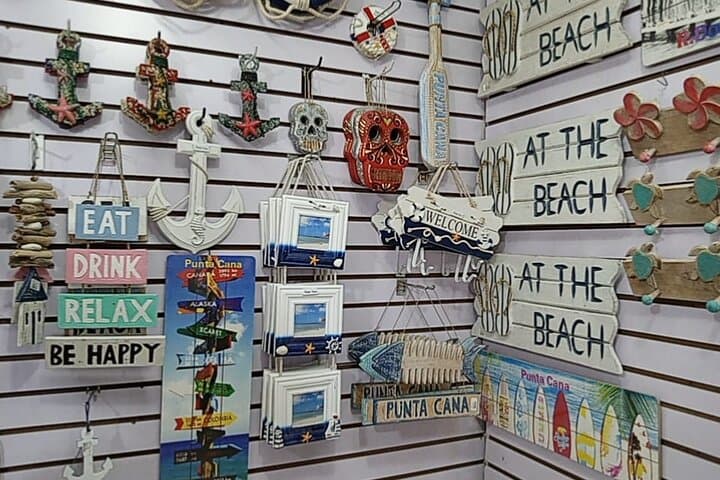
You step from an air‑conditioned van into the humid Caribbean breeze, palms swaying and shop awnings fluttering. The guide points toward a narrow lane where wooden stalls, boutique storefronts, and a few modern malls collide — the pulse of Punta Cana’s souvenir scene. Voices call out in Spanish and English; the smell of fried plantains drifts from a nearby vendor. This is where travel memories become objects.
You step from an air‑conditioned van into the humid Caribbean breeze, palms swaying and shop awnings fluttering. The guide points toward a narrow lane where wooden stalls, boutique storefronts, and a few modern malls collide — the pulse of Punta Cana’s souvenir scene. Voices call out in Spanish and English; the smell of fried plantains drifts from a nearby vendor. This is where travel memories become objects.
The Dominican Republic’s craft traditions draw from Taíno, African, and Spanish influences. Local artisans work with amber and silver, carve mahogany, and stitch colorful textiles — raw materials tied to island geology and trade history. Punta Cana’s coastline is built on limestone and coral; inland, sugarcane fields and colonial trade routes shaped what goods are made and sold here.
A guided shopping tour accelerates discovery: your guide introduces trusted artisans, explains the origin of larimar and amber, and helps navigate language and prices. Expect a mix of curated boutiques and open markets, options for jewelry, rum, cigars, and handwoven goods. The pace is relaxed: two hours of stops with time for bargaining and close inspection.
Practical advice: carry small bills and local currency for better deals, inspect stones and ask for provenance, and set aside time mid‑morning or late afternoon to avoid heat. Keep essentials in a zippered bag and confirm pickup details with your operator. Respect local customs, ask before photographing artisans, and be realistic about warranties — many purchases are final. With preparation and a sharp eye, a shopping tour in Punta Cana leaves you with authentic finds and stories about the people who made them.