THE ADVENTURE COLLECTIVE® · Independent discovery and booking for outdoor travel

Spend two hours tasting mamajuana, watching cigar demonstrations, and hunting for authentic Dominican rum and cacao — with free transfers from Punta Cana hotels. This accessible guided shopping tour pairs insider context with easy logistics for travelers on a tight schedule.
Spend two hours tasting mamajuana, watching cigar demonstrations, and hunting for authentic Dominican rum and cacao — with free transfers from Punta Cana hotels. This accessible guided shopping tour pairs insider context with easy logistics for travelers on a tight schedule.
You step off the air-conditioned van and into the bright Dominican light: a warm breeze carrying salt from the nearby shore, the tang of roasted coffee, and the sweet, fermented scent of mamajuana. The guided shopping tour threads through compact artisan shops and duty‑free vendors in the Punta Cana area, where vendors arrange bottles of rum, hand‑rolled cigars, and bars of single‑origin cacao like curated trophies.
Verified experiences and guided adventures in the surrounding area.
Operated by VIVAN RD · Punta Cana, La Altagracia
You step off the air-conditioned van and into the bright Dominican light: a warm breeze carrying salt from the nearby shore, the tang of roasted coffee, and the sweet, fermented scent of mamajuana. The guided shopping tour threads through compact artisan shops and duty‑free vendors in the Punta Cana area, where vendors arrange bottles of rum, hand‑rolled cigars, and bars of single‑origin cacao like curated trophies.
The route leans on the island’s layered history: Taíno roots shape craft motifs, Spanish colonial trade introduced rum and cigar traditions, and modern tourism channels local production into souvenirs. Geologically Punta Cana is coastal carbonate plain — beaches of white sand over coral limestones — but the shopping experience focuses inward on human craft: ceramic artisans, cigar rollers, and small cooperatives selling organic chocolate.
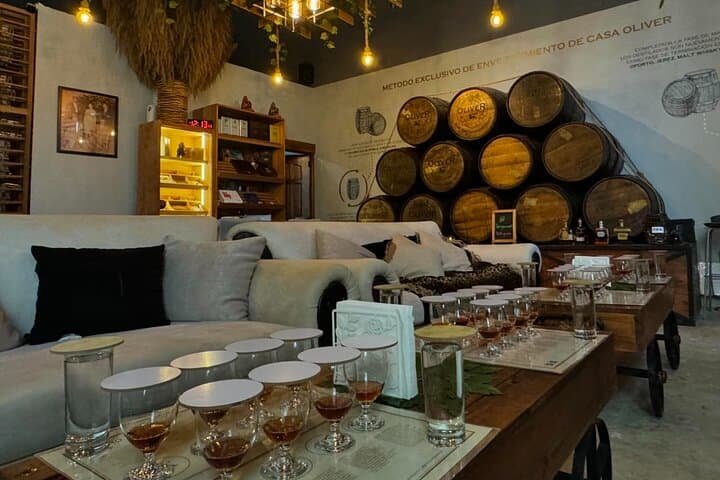
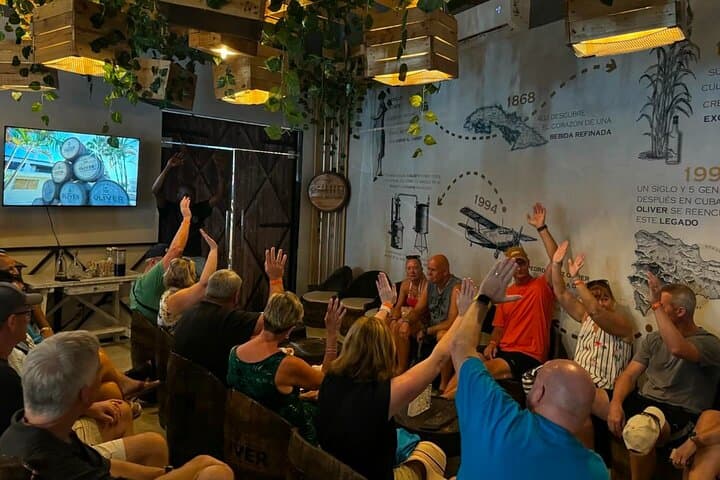
Culturally expect demonstrations as much as displays: mamajuana tastings explain a drink bound to folk medicine, live cigar-rolling shows highlight Dominican workmanship, and small food tastings offer direct contact with producers. Local insight: authenticity varies — look for labeled origin (100% Dominican cacao, artisanal marks) and ask about production methods.
Practically, the tour runs about two hours and includes free hotel transfers around Bávaro, Punta Cana and adjacent resort zones. Bring small bills for market purchases, a reusable tote for goods, and an ID if you want tax‑free options. Stores are wheelchair accessible and tours operate daily; peak season (Dec–Apr) is busiest. A clear itinerary and these simple precautions keep the focus on discovery: taste, learn, and carry home a piece of the Dominican Republic without getting lost in the bustle.
easy.
2 hours.
Minimal fitness required; participants should be able to walk short distances and stand for demonstrations.
Yes — private transfers from hotels in Punta Cana, Bávaro, Arena Gorda and Cabeza de Toro are included with the booking.
Most stops and demonstrations are wheelchair accessible; the tour provider notes accessible transportation and surfaces.
Many vendors accept USD and Dominican pesos; credit cards are accepted at larger shops but smaller artisans often prefer cash.
Full refund available if you cancel at least 24 hours before the scheduled departure time; no refund within 24 hours.
The tour highlights Taíno motifs and colonial-era trades—rum and cigar production trace back to Spanish and plantation-era economies shaped by Caribbean trade routes.
Buy labeled, sustainably sourced cacao and rum when possible; reducing plastic bags and choosing small-batch producers supports local economies and lowers tourism impact.
VIVAN RD operates guided outdoor trips and adventures with an emphasis on safety, stewardship, and memorable experiences.
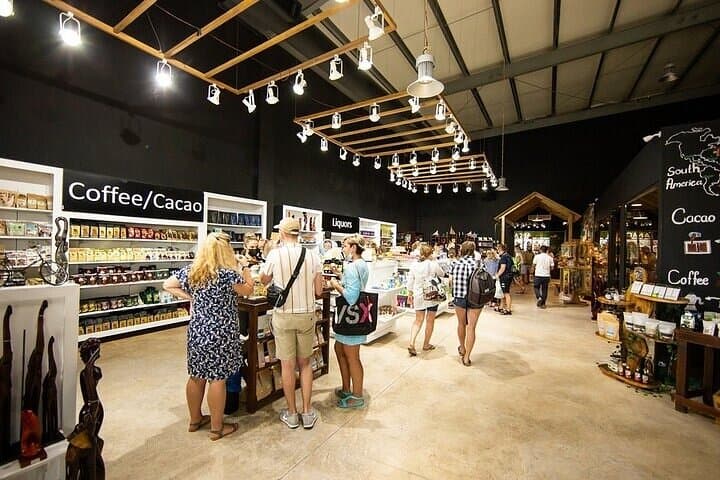
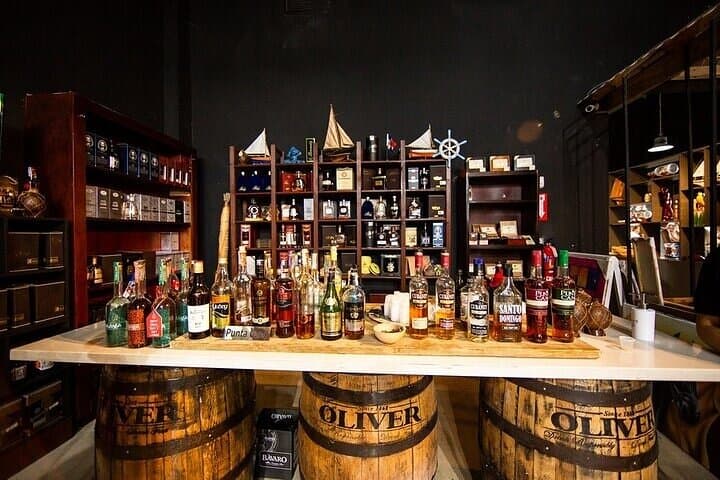
You step off the air-conditioned van and into the bright Dominican light: a warm breeze carrying salt from the nearby shore, the tang of roasted coffee, and the sweet, fermented scent of mamajuana. The guided shopping tour threads through compact artisan shops and duty‑free vendors in the Punta Cana area, where vendors arrange bottles of rum, hand‑rolled cigars, and bars of single‑origin cacao like curated trophies.
You step off the air-conditioned van and into the bright Dominican light: a warm breeze carrying salt from the nearby shore, the tang of roasted coffee, and the sweet, fermented scent of mamajuana. The guided shopping tour threads through compact artisan shops and duty‑free vendors in the Punta Cana area, where vendors arrange bottles of rum, hand‑rolled cigars, and bars of single‑origin cacao like curated trophies.
The route leans on the island’s layered history: Taíno roots shape craft motifs, Spanish colonial trade introduced rum and cigar traditions, and modern tourism channels local production into souvenirs. Geologically Punta Cana is coastal carbonate plain — beaches of white sand over coral limestones — but the shopping experience focuses inward on human craft: ceramic artisans, cigar rollers, and small cooperatives selling organic chocolate.
Culturally expect demonstrations as much as displays: mamajuana tastings explain a drink bound to folk medicine, live cigar-rolling shows highlight Dominican workmanship, and small food tastings offer direct contact with producers. Local insight: authenticity varies — look for labeled origin (100% Dominican cacao, artisanal marks) and ask about production methods.
Practically, the tour runs about two hours and includes free hotel transfers around Bávaro, Punta Cana and adjacent resort zones. Bring small bills for market purchases, a reusable tote for goods, and an ID if you want tax‑free options. Stores are wheelchair accessible and tours operate daily; peak season (Dec–Apr) is busiest. A clear itinerary and these simple precautions keep the focus on discovery: taste, learn, and carry home a piece of the Dominican Republic without getting lost in the bustle.