THE ADVENTURE COLLECTIVE® · Independent discovery and booking for outdoor travel

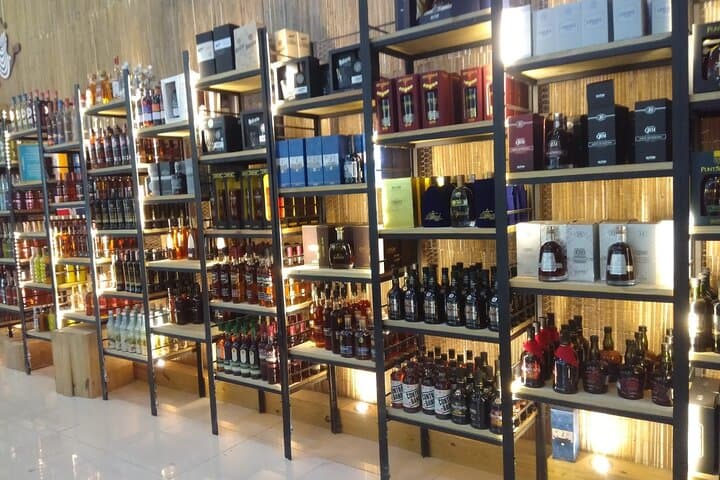
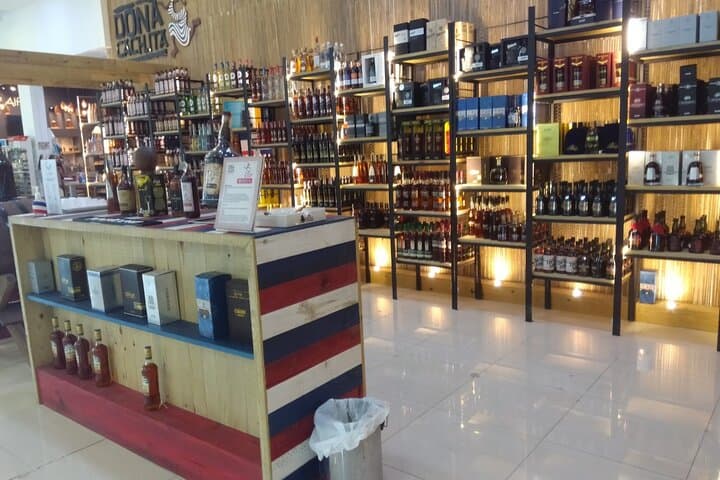
Explore rum, chocolate, cigars and island-made crafts on a compact guided shopping tour from Punta Cana. Watch artisans at work, sample local flavors, and learn the history behind the products before you buy.
Explore rum, chocolate, cigars and island-made crafts on a compact guided shopping tour from Punta Cana. Watch artisans at work, sample local flavors, and learn the history behind the products before you buy.
The tour begins on a warm Punta Cana morning as the van slips away from resort palms and eases toward a low-slung complex where the air smells faintly of tobacco, roasted cocoa and molasses. Guests move from demonstration rooms to workshop benches, watching cigar rollers bend over bundles of leaves, chocolatiers temper dark Dominican cocoa, and jewelers polish blue larimar until it catches the light.
Verified experiences and guided adventures in the surrounding area.
Operated by Shopy Dominican Tours · Punta Cana, La Altagracia
The tour begins on a warm Punta Cana morning as the van slips away from resort palms and eases toward a low-slung complex where the air smells faintly of tobacco, roasted cocoa and molasses. Guests move from demonstration rooms to workshop benches, watching cigar rollers bend over bundles of leaves, chocolatiers temper dark Dominican cocoa, and jewelers polish blue larimar until it catches the light.
Tobacco and rum are threads in the island’s history: tobacco cultivation predates modern borders and rum evolved from sugarcane mills once driven by colonial plantations. The geology of the east coast—limestone bedrock and coastal soils—supports the cacao and coffee varieties prized here, while amber and larimar reflect ancient volcanic and marine processes that left the island with unique gemstones.
Cultural notes arrive between tastings: Mamajuana, a fortified blend of rum, wine and tree bark, is framed as both medicine and local pride; cigar craft is presented as multi-generational skill. Guides typically explain authenticity markers for larimar and amber and show basic cigar grading.
Practical guidance: plan 1–3 hours depending on how much shopping you do; bring cash for small purchases, a reusable bag for fragile items, and a lightweight jacket for air-conditioned tasting rooms. If you have mobility limits, check pickup details—most operators provide resort transport. Aim for mid-morning to avoid peak crowds and to sample freshly made chocolate. Respect photo rules in production areas and ask about export paperwork for amber and larimar before you buy.
easy.
1–3 hours.
Suitable for all fitness levels; mostly standing and light walking
Tours run about 1 to 3 hours depending on whether you mainly sample or also shop extensively.
Most operators include round-trip transportation from Punta Cana resorts—confirm your pickup point when booking.
You can bring jewelry and cigars home, but check import limits and keep receipts; larger purchases like amber may require export paperwork.
Some tastings (chocolate, crafts) are family-friendly, but alcohol and cigar tastings are intended for adults; verify age policies in advance.
Tobacco and sugarcane have shaped the Dominican economy for centuries; rum and cigar-making evolved from those agricultural roots into celebrated crafts.
Buy from certified vendors who guarantee origin and avoid overharvesting; support vendors who use sustainably sourced cocoa and legally sourced gemstones.
Shopy Dominican Tours operates guided outdoor trips and adventures with an emphasis on safety, stewardship, and memorable experiences.
The tour begins on a warm Punta Cana morning as the van slips away from resort palms and eases toward a low-slung complex where the air smells faintly of tobacco, roasted cocoa and molasses. Guests move from demonstration rooms to workshop benches, watching cigar rollers bend over bundles of leaves, chocolatiers temper dark Dominican cocoa, and jewelers polish blue larimar until it catches the light.
The tour begins on a warm Punta Cana morning as the van slips away from resort palms and eases toward a low-slung complex where the air smells faintly of tobacco, roasted cocoa and molasses. Guests move from demonstration rooms to workshop benches, watching cigar rollers bend over bundles of leaves, chocolatiers temper dark Dominican cocoa, and jewelers polish blue larimar until it catches the light.
Tobacco and rum are threads in the island’s history: tobacco cultivation predates modern borders and rum evolved from sugarcane mills once driven by colonial plantations. The geology of the east coast—limestone bedrock and coastal soils—supports the cacao and coffee varieties prized here, while amber and larimar reflect ancient volcanic and marine processes that left the island with unique gemstones.
Cultural notes arrive between tastings: Mamajuana, a fortified blend of rum, wine and tree bark, is framed as both medicine and local pride; cigar craft is presented as multi-generational skill. Guides typically explain authenticity markers for larimar and amber and show basic cigar grading.
Practical guidance: plan 1–3 hours depending on how much shopping you do; bring cash for small purchases, a reusable bag for fragile items, and a lightweight jacket for air-conditioned tasting rooms. If you have mobility limits, check pickup details—most operators provide resort transport. Aim for mid-morning to avoid peak crowds and to sample freshly made chocolate. Respect photo rules in production areas and ask about export paperwork for amber and larimar before you buy.