THE ADVENTURE COLLECTIVE® · Independent discovery and booking for outdoor travel

Float above shallow coral gardens off Punta Cana with a professional guide who points out turtles, parrotfish and swim-throughs. This short, beginner-friendly snorkel is an efficient way to experience Caribbean reef life with all equipment provided.
Float above shallow coral gardens off Punta Cana with a professional guide who points out turtles, parrotfish and swim-throughs. This short, beginner-friendly snorkel is an efficient way to experience Caribbean reef life with all equipment provided.
Warm trade winds lift the salty scent of the Caribbean as the boat eases away from the white sand of Punta Cana. In minutes the shoreline shrinks to a band of palms and resorts, and the ocean opens into a glassy field of turquoise. Professional guides brief the small group, masks are checked, and the reef drops into focus — a living architecture of coral heads, fans and swim-throughs that dare you to look closer.
Verified experiences and guided adventures in the surrounding area.
Operated by Scape Caribe Tours & Travel · Punta Cana, La Altagracia
Warm trade winds lift the salty scent of the Caribbean as the boat eases away from the white sand of Punta Cana. In minutes the shoreline shrinks to a band of palms and resorts, and the ocean opens into a glassy field of turquoise. Professional guides brief the small group, masks are checked, and the reef drops into focus — a living architecture of coral heads, fans and swim-throughs that dare you to look closer.
The reef systems off eastern Hispaniola grew on limestone and volcanic foundations, shaped by millions of years of uplift and reef growth. Indigenous Taíno people once navigated these waters; today local fishing villages and coastal resorts shape the human story, and guides often point out cultural landmarks on the ride out.
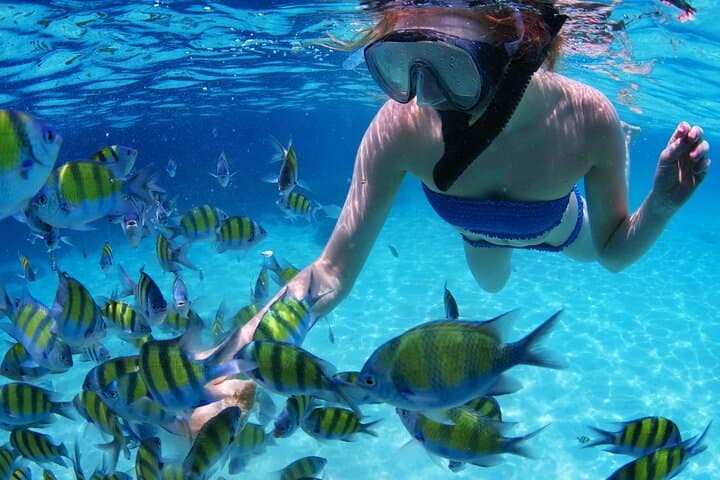
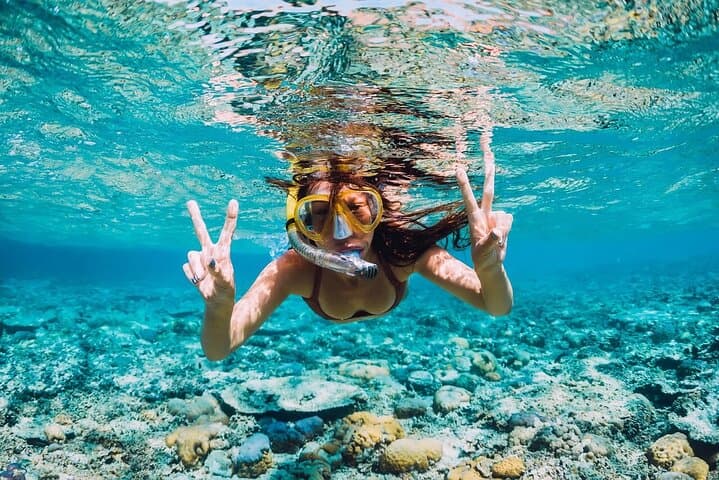
Expect shallow reefs 5–15 feet deep where visibility is usually excellent, and currents are mild. Tropical fish — parrotfish, angelfish and wrasse — patrol the coral, and sea turtles are common in summer months. Guides emphasize reef-safe practices: no touching coral, neutral buoyancy, and removing fins near fragile formations.
Practically, this 45-minute guided snorkel suits beginners and confident swimmers alike. Bring a lightweight rashguard, reef-safe sunscreen, and a waterproof camera. If you get seasick, take precautions before boarding; guides typically provide basic equipment and a short skills orientation.
Timing matters: mornings deliver calmer seas and better light for photography, while late afternoons can bring stronger winds. Above all, move slowly, breathe steadily, and let the reef reveal its details — it’s an intimate, hands-off encounter with an active underwater neighborhood.
easy.
45 minutes (activity) — allow 2–3 hours total for pickup and transfer.
Suitable for most fitness levels; basic swimming comfort and the ability to float or tread water recommended
No — the tour is beginner-friendly with a skills briefing and professional guides who stay close to the group.
Yes — masks, snorkels and fins are provided, but you may bring personal gear for fit and comfort.
Turtles and large reef fish are commonly seen but wildlife sightings cannot be guaranteed.
Most bookings include beach or hotel pickup within the Punta Cana area—confirm your pickup point when booking and allow time for local transfers.
The coastline around Punta Cana sits on uplifted limestone and has been traversed by Taíno communities; modern tourism expanded in the late 20th century with resort development.
Reef health varies; choose operators that brief guests on reef-safe behavior and support local conservation or beach-cleanup efforts.
Scape Caribe Tours & Travel operates guided outdoor trips and adventures with an emphasis on safety, stewardship, and memorable experiences.
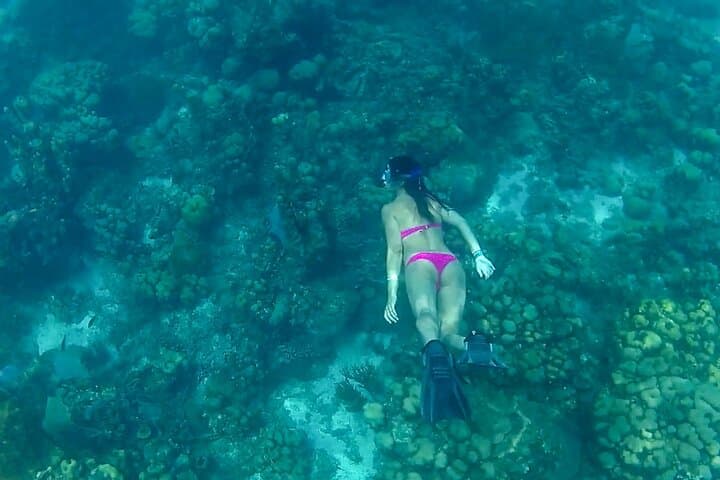
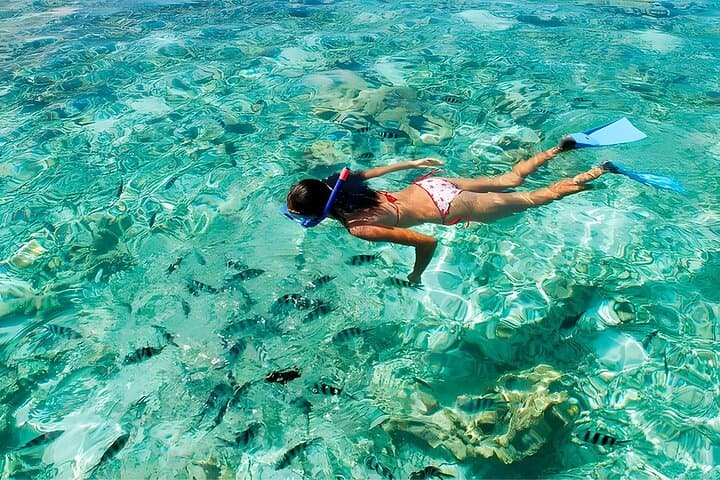
Warm trade winds lift the salty scent of the Caribbean as the boat eases away from the white sand of Punta Cana. In minutes the shoreline shrinks to a band of palms and resorts, and the ocean opens into a glassy field of turquoise. Professional guides brief the small group, masks are checked, and the reef drops into focus — a living architecture of coral heads, fans and swim-throughs that dare you to look closer.
Warm trade winds lift the salty scent of the Caribbean as the boat eases away from the white sand of Punta Cana. In minutes the shoreline shrinks to a band of palms and resorts, and the ocean opens into a glassy field of turquoise. Professional guides brief the small group, masks are checked, and the reef drops into focus — a living architecture of coral heads, fans and swim-throughs that dare you to look closer.
The reef systems off eastern Hispaniola grew on limestone and volcanic foundations, shaped by millions of years of uplift and reef growth. Indigenous Taíno people once navigated these waters; today local fishing villages and coastal resorts shape the human story, and guides often point out cultural landmarks on the ride out.
Expect shallow reefs 5–15 feet deep where visibility is usually excellent, and currents are mild. Tropical fish — parrotfish, angelfish and wrasse — patrol the coral, and sea turtles are common in summer months. Guides emphasize reef-safe practices: no touching coral, neutral buoyancy, and removing fins near fragile formations.
Practically, this 45-minute guided snorkel suits beginners and confident swimmers alike. Bring a lightweight rashguard, reef-safe sunscreen, and a waterproof camera. If you get seasick, take precautions before boarding; guides typically provide basic equipment and a short skills orientation.
Timing matters: mornings deliver calmer seas and better light for photography, while late afternoons can bring stronger winds. Above all, move slowly, breathe steadily, and let the reef reveal its details — it’s an intimate, hands-off encounter with an active underwater neighborhood.