THE ADVENTURE COLLECTIVE® · Independent discovery and booking for outdoor travel

Trade the resort strip for rutted country lanes, a hands‑on plantation visit and a cenote swim on this three‑hour buggy tour from Macao. Expect mud, local flavors (cacao, coffee, Mamajuana) and a refreshing plunge into El Hoyo.
Trade the resort strip for rutted country lanes, a hands‑on plantation visit and a cenote swim on this three‑hour buggy tour from Macao. Expect mud, local flavors (cacao, coffee, Mamajuana) and a refreshing plunge into El Hoyo.
The engine thrums, and the first hairpin of red clay slings mud in a lazy arc — the buggy laughs as it bites a rutted track and the countryside peels open. You leave the resort grid behind and slide into a landscape that wants to be messy: narrow dirt lanes that funnel through fields, occasional cow paths, and low stone walls that mark parcels of land worked for generations. Rain or shine, the route cajoles you toward the mud; by the second mile most people stop resisting and start steering with a grin.
Verified experiences and guided adventures in the surrounding area.
Operated by Cheap Shuttles DR · Punta Cana, La Altagracia
The engine thrums, and the first hairpin of red clay slings mud in a lazy arc — the buggy laughs as it bites a rutted track and the countryside peels open. You leave the resort grid behind and slide into a landscape that wants to be messy: narrow dirt lanes that funnel through fields, occasional cow paths, and low stone walls that mark parcels of land worked for generations. Rain or shine, the route cajoles you toward the mud; by the second mile most people stop resisting and start steering with a grin.
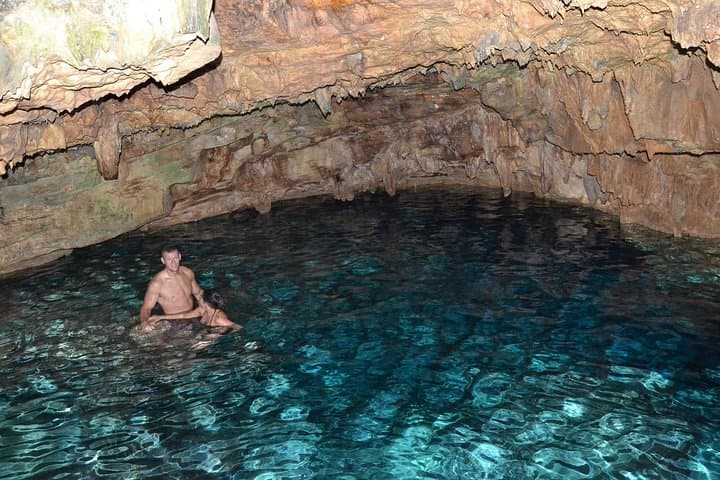
This half‑day ride out of Macao — on the northern edge of the Punta Cana resort corridor — blends off‑road exuberance with quiet cultural stops. The tour pauses at a small plantation where cacao pods lie like oversized fruit ornaments and coffee plants scent the air. Guides explain local processing, and you sample Dominican chocolate, coffee, tobacco leaves and Mamajuana, a herbal spirit reputed locally as a tonic. The region’s geology is limestone country; sinkholes and subterranean rivers carved by rainwater created the cenotes that dot this coast. The day’s highlight, El Hoyo, is one of those collapsed limestone caves where a spring collects into a clear pool — the water seems to dare you to jump in and rinse the ride off.
Historically the east coast was less tourist infrastructure than agricultural backcountry, and traces of that past remain: small villages, hand‑tilled parcels, and an economy still tied to cacao and coffee. Your driver‑guide sketches that story between revs, placing each stop in a broader picture of land use and local livelihoods.
Practical notes: the experience runs about three hours, including pickup; expect 30–60 minutes of hotel transfer in the Punta Cana area. Wear clothes you don’t mind trashing, closed‑toe shoes, and bring swimwear for the cenote. Helmets are supplied and required; follow your guide’s short safety briefing before you set off. If you plan to drive, the operator allows drivers 16 and older with a brief orientation — otherwise ride as a passenger and enjoy the mud show.
For photographers, aim for the softer light of early morning pickups; the cenote’s blue‑green pool pops against limestone walls. Hydrate before you go — the sun on the open buggy can make the three hours feel longer than it is — and stash your phone in a waterproof case or locker. This is a straightforward, tactile way to trade beach time for small‑scale exploration: fast enough to feed the adrenaline, slow enough to meet the people and the plants that still shape Punta Cana’s hinterland.
moderate.
3 hours.
Suitable for most fitness levels but requires agility to climb into buggies and tolerate bumps; not recommended for those with serious back or heart conditions.
The activity runs about three hours total; hotel pickups in Punta Cana typically start 30–60 minutes before the scheduled departure.
Yes — participants aged 16 and older may drive after a short safety orientation; novices are allowed but must follow the guide’s instructions.
Yes — swimming is optional. If you prefer to stay dry, you can relax at the cenote rim or in shaded areas while others swim.
Helmets are provided and required for all riders; make sure it fits snugly before you depart.
Children are allowed but must be accompanied by an adult; the operator sets age/seat limits for safety.
Tours usually run in light rain and can be muddier and more fun; extreme weather or safety concerns may lead the operator to reschedule or cancel.
This part of eastern Hispaniola was historically agricultural, with smallholder farms producing cacao, coffee and tobacco long before mass tourism reshaped the coast.
Cenotes are sensitive freshwater ecosystems; visitors are encouraged to use biodegradable products and follow guides’ rules to minimize impact.
Cheap Shuttles DR operates guided outdoor trips and adventures with an emphasis on safety, stewardship, and memorable experiences.
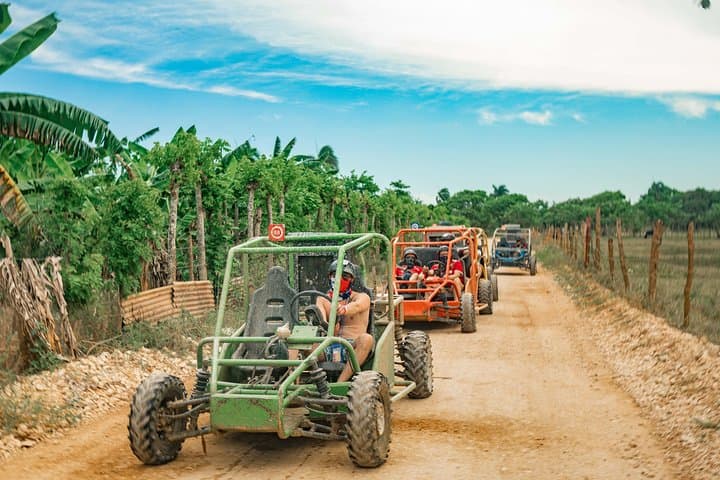
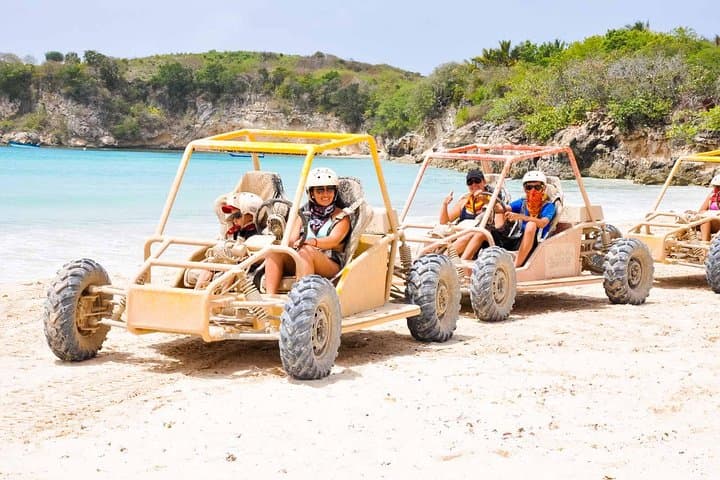
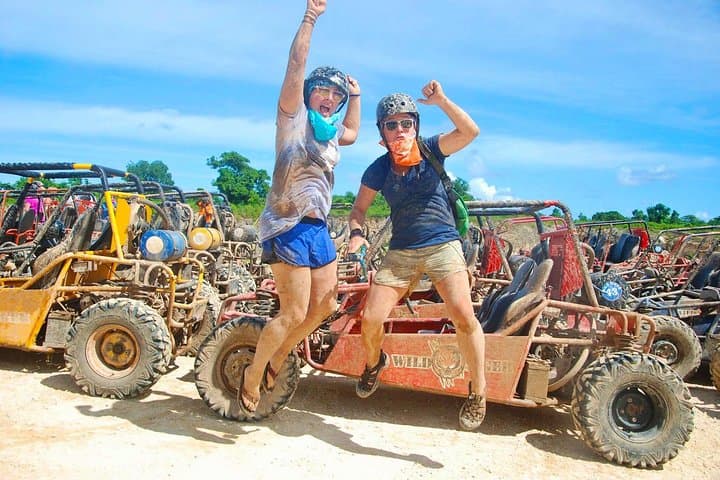
The engine thrums, and the first hairpin of red clay slings mud in a lazy arc — the buggy laughs as it bites a rutted track and the countryside peels open. You leave the resort grid behind and slide into a landscape that wants to be messy: narrow dirt lanes that funnel through fields, occasional cow paths, and low stone walls that mark parcels of land worked for generations. Rain or shine, the route cajoles you toward the mud; by the second mile most people stop resisting and start steering with a grin.
The engine thrums, and the first hairpin of red clay slings mud in a lazy arc — the buggy laughs as it bites a rutted track and the countryside peels open. You leave the resort grid behind and slide into a landscape that wants to be messy: narrow dirt lanes that funnel through fields, occasional cow paths, and low stone walls that mark parcels of land worked for generations. Rain or shine, the route cajoles you toward the mud; by the second mile most people stop resisting and start steering with a grin.
This half‑day ride out of Macao — on the northern edge of the Punta Cana resort corridor — blends off‑road exuberance with quiet cultural stops. The tour pauses at a small plantation where cacao pods lie like oversized fruit ornaments and coffee plants scent the air. Guides explain local processing, and you sample Dominican chocolate, coffee, tobacco leaves and Mamajuana, a herbal spirit reputed locally as a tonic. The region’s geology is limestone country; sinkholes and subterranean rivers carved by rainwater created the cenotes that dot this coast. The day’s highlight, El Hoyo, is one of those collapsed limestone caves where a spring collects into a clear pool — the water seems to dare you to jump in and rinse the ride off.
Historically the east coast was less tourist infrastructure than agricultural backcountry, and traces of that past remain: small villages, hand‑tilled parcels, and an economy still tied to cacao and coffee. Your driver‑guide sketches that story between revs, placing each stop in a broader picture of land use and local livelihoods.
Practical notes: the experience runs about three hours, including pickup; expect 30–60 minutes of hotel transfer in the Punta Cana area. Wear clothes you don’t mind trashing, closed‑toe shoes, and bring swimwear for the cenote. Helmets are supplied and required; follow your guide’s short safety briefing before you set off. If you plan to drive, the operator allows drivers 16 and older with a brief orientation — otherwise ride as a passenger and enjoy the mud show.
For photographers, aim for the softer light of early morning pickups; the cenote’s blue‑green pool pops against limestone walls. Hydrate before you go — the sun on the open buggy can make the three hours feel longer than it is — and stash your phone in a waterproof case or locker. This is a straightforward, tactile way to trade beach time for small‑scale exploration: fast enough to feed the adrenaline, slow enough to meet the people and the plants that still shape Punta Cana’s hinterland.