THE ADVENTURE COLLECTIVE® · Independent discovery and booking for outdoor travel

Learn foundational scuba skills over three days in the clear, warm waters off Punta Cana. This PADI-aligned course combines online theory, confined-water training and four open-water dives to certify you to 18 m (60 ft).
Learn foundational scuba skills over three days in the clear, warm waters off Punta Cana. This PADI-aligned course combines online theory, confined-water training and four open-water dives to certify you to 18 m (60 ft).
The sun slants low over a turquoise shelf as small boats load gear and instructors run through checklists. Salt tang fills the air and the warm Caribbean pushes at your ankles like an invitation; beneath that surface a garden of coral waits, busy with fish and the slow breathing of those new to diving.
Verified experiences and guided adventures in the surrounding area.
Operated by Grand Bay Of The Sea · Punta Cana, La Altagracia
The sun slants low over a turquoise shelf as small boats load gear and instructors run through checklists. Salt tang fills the air and the warm Caribbean pushes at your ankles like an invitation; beneath that surface a garden of coral waits, busy with fish and the slow breathing of those new to diving.
Punta Cana's coastline is part of the Caribbean reef system that formed on limestone platforms and gentle continental shelves. The town grew rapidly as a resort hub in the late 20th century, and today local dive operators balance tourism with a living marine culture—fishers, boat captains and PADI instructors who know every reef ledge and gentle wall within a short run.
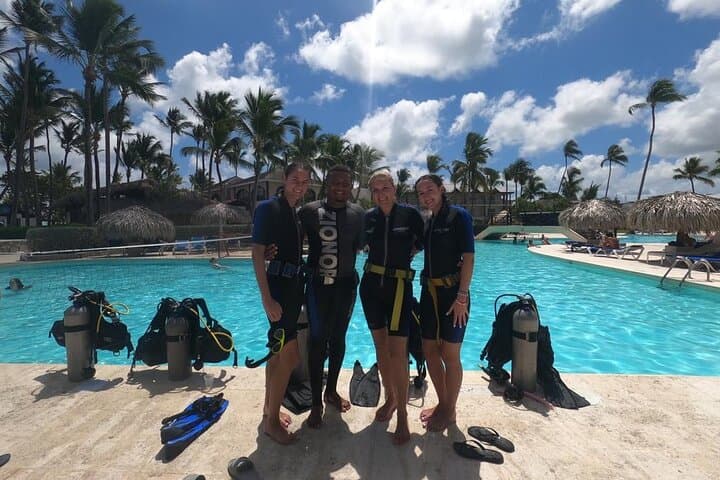
Over three days you'll mix classroom theory, confined-water skill practice, and four open-water dives to the global open-water standard (to 18 m/60 ft). Expect calm, visibility commonly 10–30 m (30–100 ft), and sites composed of fringing reefs, coral outcrops and occasional shallow wrecks suited to learners.
For planning: bring a light waterproof notebook for dive briefings, eat well-hydrated meals before surface intervals, and time dives to avoid the midday sun when heat and glare sap focus. Respect the reef—no touching, neutral buoyancy is essential. Medical screening is standard; instructors will test skills in confined water until you and they are confident.
By the final dive you’ll be logging skills and sightings—parrotfish, rays or turtles—and holding a PADI Open Water credential that opens dive sites worldwide. Practical, focused and rooted in local marine life, this course is designed to turn curiosity into certified ability.
moderate.
3 days (approx. 72 hours).
Moderate fitness and basic swimming ability; comfortable in open water and able to tread or float for several minutes.
No prior scuba experience is required—coursework begins with confined-water sessions and builds to open-water dives under instructor supervision.
Most PADI Open Water courses accept students aged 10 and up for junior certification; check operator policies for age-specific requirements.
Typical inclusions are dive equipment, transportation, instruction and certification; confirm which items (like wetsuits or personal masks) are provided or recommended to bring.
Certification is issued after successful completion of theory, confined-water skills and four open-water dives—often by the final day once paperwork is processed.
Punta Cana’s marine tourism expanded in the late 20th century as resorts developed along the province of La Altagracia, with local fishing communities preceding and supporting dive operations.
Operators increasingly promote reef-safe sunscreen, no-touch policies and buoyancy training to reduce damage; choose schools that brief on and enforce low-impact diving.
Grand Bay Of The Sea operates guided outdoor trips and adventures with an emphasis on safety, stewardship, and memorable experiences.



The sun slants low over a turquoise shelf as small boats load gear and instructors run through checklists. Salt tang fills the air and the warm Caribbean pushes at your ankles like an invitation; beneath that surface a garden of coral waits, busy with fish and the slow breathing of those new to diving.
The sun slants low over a turquoise shelf as small boats load gear and instructors run through checklists. Salt tang fills the air and the warm Caribbean pushes at your ankles like an invitation; beneath that surface a garden of coral waits, busy with fish and the slow breathing of those new to diving.
Punta Cana's coastline is part of the Caribbean reef system that formed on limestone platforms and gentle continental shelves. The town grew rapidly as a resort hub in the late 20th century, and today local dive operators balance tourism with a living marine culture—fishers, boat captains and PADI instructors who know every reef ledge and gentle wall within a short run.
Over three days you'll mix classroom theory, confined-water skill practice, and four open-water dives to the global open-water standard (to 18 m/60 ft). Expect calm, visibility commonly 10–30 m (30–100 ft), and sites composed of fringing reefs, coral outcrops and occasional shallow wrecks suited to learners.
For planning: bring a light waterproof notebook for dive briefings, eat well-hydrated meals before surface intervals, and time dives to avoid the midday sun when heat and glare sap focus. Respect the reef—no touching, neutral buoyancy is essential. Medical screening is standard; instructors will test skills in confined water until you and they are confident.
By the final dive you’ll be logging skills and sightings—parrotfish, rays or turtles—and holding a PADI Open Water credential that opens dive sites worldwide. Practical, focused and rooted in local marine life, this course is designed to turn curiosity into certified ability.