THE ADVENTURE COLLECTIVE® · Independent discovery and booking for outdoor travel

A compact two-day route from Puno to Cusco that pairs the living Inca rope bridge of Q'eswachaka with the high-altitude spectacle of Vinicunca (Seven Colors Mountain). Expect long drives, high passes and an early morning climb to 5,000 m.
A compact two-day route from Puno to Cusco that pairs the living Inca rope bridge of Q'eswachaka with the high-altitude spectacle of Vinicunca (Seven Colors Mountain). Expect long drives, high passes and an early morning climb to 5,000 m.
You step out before dawn on Lake Titicaca’s windswept shore as the bus lifts away from Puno and the high plain unfolds — brown bofedales, low stone villages, and the Andes squaring off against the sky. The route climbs and falls like a slow exhale, carrying you through Pucará’s pottery country, past the adobe walls of Raqchi, and finally to the braided ropes of the Q’eswachaka bridge where communities still rebuild an Inca crossing by hand.
Verified experiences and guided adventures in the surrounding area.
Operated by BARCELONA LANDS · Puno, Puno Region
You step out before dawn on Lake Titicaca’s windswept shore as the bus lifts away from Puno and the high plain unfolds — brown bofedales, low stone villages, and the Andes squaring off against the sky. The route climbs and falls like a slow exhale, carrying you through Pucará’s pottery country, past the adobe walls of Raqchi, and finally to the braided ropes of the Q’eswachaka bridge where communities still rebuild an Inca crossing by hand.
This itinerary stitches together pre-Inca ceramics, Inca road engineering, and the geological oddity of Vinicunca: iron-oxide, clay and mineral strata exposed by glacial retreat to produce the mountain’s striped palette. Communities along the way practice Andean agriculture and seasonal weaving traditions; local guides will point out terraces, chakras and the persistent presence of llamas tending the high grass.
Expect two full travel days: long road transfers across 3,300–4,300 m, a short archaeological walk, then an early-morning ascent to the 5,000 m viewpoint at Vinicunca. The climb is steep (≈3.5 km uphill) and thin-air hard work — pace yourself, sip water, and watch the sky change color like a clock.
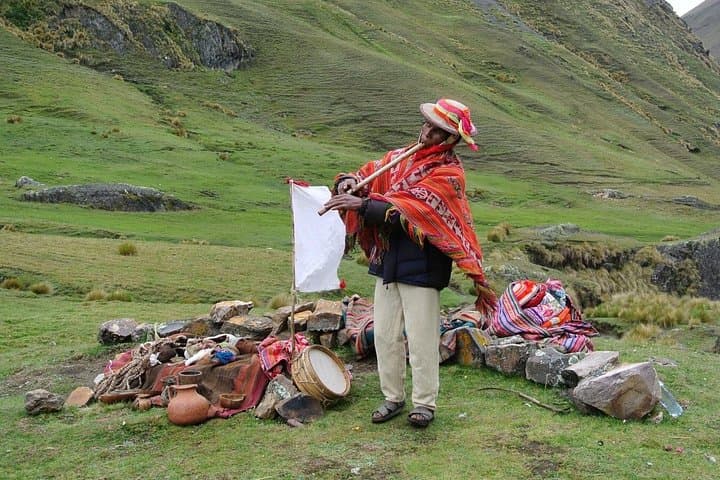
Practical notes: acclimatize in Puno or Cusipata when possible, layer for wind and sun, and allow extra time for altitude. If you prefer less walking, communities offer mule or quad options to shorten the approach. Respect local rituals at Q’eswachaka and pack out what you bring in — the high Andes reward preparation with staggering views and a close encounter with living heritage.
challenging.
2 days (approximately 36–38 hours including transfers).
Suitable for people in good cardiovascular shape who can handle steep uphill hiking at high altitude; prior acclimatization recommended.
Yes — the tour reaches over 5,000 m; acclimatize in Puno or Cusipata, hydrate, ascend slowly, and consult a doctor about acetazolamide if you have concerns.
The itinerary includes listed entries to main sites, but small community fees or optional mule/quad hires at Vinicunca are often extra and paid locally.
Families and older travelers can join, but gauge fitness and altitude tolerance — consider mule/vehicle options and consult with the operator before booking.
May–September (dry season) is generally best for clear skies and trail conditions, though mornings remain cold and weather can change quickly.
This route crosses pre-Inca Pucará sites and the Inca road network; Q’eswachaka is reconstructed annually by Quechua communities using ancestral rope-weaving techniques.
Vinicunca is affected by increasing visitor numbers and erosion — stick to trails, avoid single-use plastics, and support community-managed services that fund maintenance.
BARCELONA LANDS operates guided outdoor trips and adventures with an emphasis on safety, stewardship, and memorable experiences.


You step out before dawn on Lake Titicaca’s windswept shore as the bus lifts away from Puno and the high plain unfolds — brown bofedales, low stone villages, and the Andes squaring off against the sky. The route climbs and falls like a slow exhale, carrying you through Pucará’s pottery country, past the adobe walls of Raqchi, and finally to the braided ropes of the Q’eswachaka bridge where communities still rebuild an Inca crossing by hand.
You step out before dawn on Lake Titicaca’s windswept shore as the bus lifts away from Puno and the high plain unfolds — brown bofedales, low stone villages, and the Andes squaring off against the sky. The route climbs and falls like a slow exhale, carrying you through Pucará’s pottery country, past the adobe walls of Raqchi, and finally to the braided ropes of the Q’eswachaka bridge where communities still rebuild an Inca crossing by hand.
This itinerary stitches together pre-Inca ceramics, Inca road engineering, and the geological oddity of Vinicunca: iron-oxide, clay and mineral strata exposed by glacial retreat to produce the mountain’s striped palette. Communities along the way practice Andean agriculture and seasonal weaving traditions; local guides will point out terraces, chakras and the persistent presence of llamas tending the high grass.
Expect two full travel days: long road transfers across 3,300–4,300 m, a short archaeological walk, then an early-morning ascent to the 5,000 m viewpoint at Vinicunca. The climb is steep (≈3.5 km uphill) and thin-air hard work — pace yourself, sip water, and watch the sky change color like a clock.
Practical notes: acclimatize in Puno or Cusipata when possible, layer for wind and sun, and allow extra time for altitude. If you prefer less walking, communities offer mule or quad options to shorten the approach. Respect local rituals at Q’eswachaka and pack out what you bring in — the high Andes reward preparation with staggering views and a close encounter with living heritage.