THE ADVENTURE COLLECTIVE® · Independent discovery and booking for outdoor travel

Link Puno and Cusco in a single, high-altitude day: a guided hike to Vinicunca (Rainbow Mountain) offers surreal mineral stripes, alpaca-filled valleys, and a challenging climb to roughly 5,020 m. Expect long drive segments, thin air, and unforgettable summit views before a transfer into Cusco by evening.
Link Puno and Cusco in a single, high-altitude day: a guided hike to Vinicunca (Rainbow Mountain) offers surreal mineral stripes, alpaca-filled valleys, and a challenging climb to roughly 5,020 m. Expect long drive segments, thin air, and unforgettable summit views before a transfer into Cusco by evening.
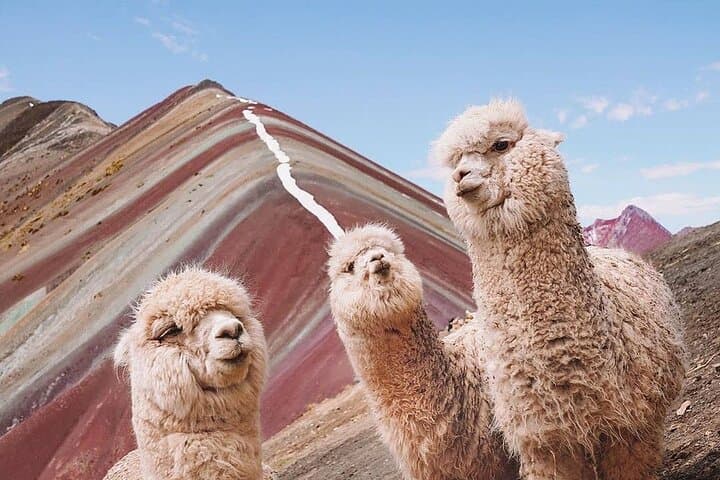
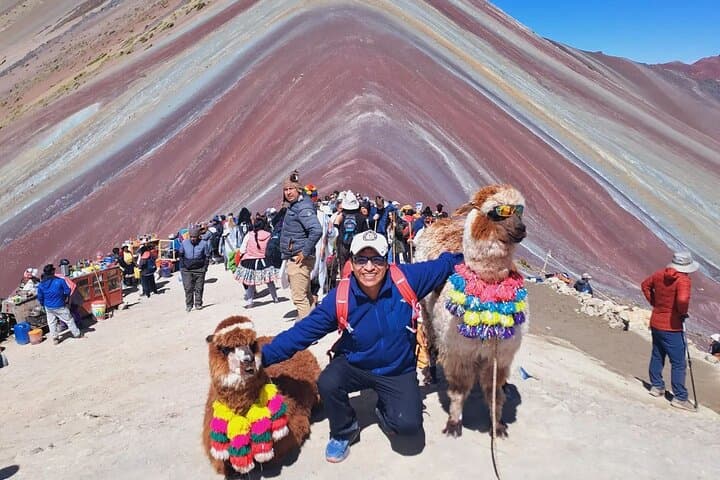
Before dawn you roll out of Puno and into a mountain wake-up: long ribboned roads, peaks sharpening in cold light, and the Andes opening like a map. By the time the van pauses in Pucara for coca tea and a quick breakfast, the air tastes thin and electric. The trailhead sits near 4,600 m; the route climbs through grazing puna where alpacas pick at sparse grass and the wind seems to push you upward, testing breath and resolve.
Verified experiences and guided adventures in the surrounding area.
Operated by Inca Lake · Cusco, Cusco Region
Before dawn you roll out of Puno and into a mountain wake-up: long ribboned roads, peaks sharpening in cold light, and the Andes opening like a map. By the time the van pauses in Pucara for coca tea and a quick breakfast, the air tastes thin and electric. The trailhead sits near 4,600 m; the route climbs through grazing puna where alpacas pick at sparse grass and the wind seems to push you upward, testing breath and resolve.
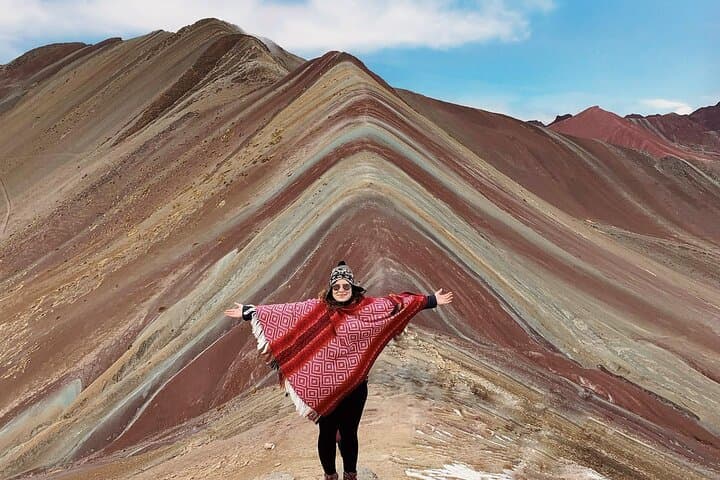
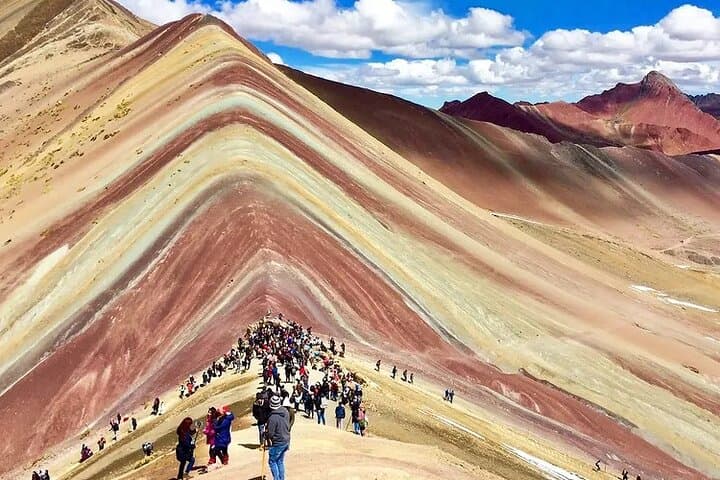
Vinicunca’s colors are geological language—bands of iron oxides, copper salts and other minerals laid down and uplifted by tectonics and glacial carving. The area sits in the shadow of Ausangate, a sacred mountain in Andean cosmology, and local Quechua communities have shepherded these high valleys for generations, mixing herding traditions with quiet hospitality.
Practically, this is a high-altitude day hike: expect about 1.5 hours up and roughly an hour down on rocky, sometimes muddy trail; summit near 5,020 m (16,466 ft). Guides keep a steady pace and arrange lunch and transfers; horseback options can be sourced at the trailhead. Weather shifts fast—sun can burn midday and wind can slice through layers in minutes—so timing, layers, hydration and altitude respect are essential.
If you’re linking Puno to Cusco in one day, be prepared for a long travel window (most operators run 12–15 hour itineraries), light breakfasts, a hearty roadside lunch, and an arrival in Cusco by evening. The payoff is immediate: standing above the striped slopes with Andes peaks all around, a demanding day turned into vivid, unmistakable views.
challenging.
12–15 hours.
Should have good aerobic fitness and experience with uphill hiking; be comfortable breathing at altitude.
The climb is physically demanding mainly due to altitude—expect 1.5 hours ascending and about 1 hour descending on uneven ground; pacing and acclimatization are key.
Horses are often available to carry passengers part of the way for a fee at the trailhead, but availability and safety vary—confirm on arrival with guides.
Tell your guide immediately; common responses include resting, descending, giving oxygen if available, and seeking medical attention—prevention via acclimatization and hydration is best.
Yes—this tour typically includes breakfast, lunch and Rainbow Mountain entrance tickets as part of the package.
The mountain and surrounding highland are part of the Ausangate region, long-held in Quechua cosmology where peaks are considered protective deities and grazing rights have shaped local life.
Increased tourism stresses fragile puna soils and local water sources; stick to trails, avoid single-use plastics, and support community-run services to reduce impact.
Inca Lake operates guided outdoor trips and adventures with an emphasis on safety, stewardship, and memorable experiences.
Before dawn you roll out of Puno and into a mountain wake-up: long ribboned roads, peaks sharpening in cold light, and the Andes opening like a map. By the time the van pauses in Pucara for coca tea and a quick breakfast, the air tastes thin and electric. The trailhead sits near 4,600 m; the route climbs through grazing puna where alpacas pick at sparse grass and the wind seems to push you upward, testing breath and resolve.
Before dawn you roll out of Puno and into a mountain wake-up: long ribboned roads, peaks sharpening in cold light, and the Andes opening like a map. By the time the van pauses in Pucara for coca tea and a quick breakfast, the air tastes thin and electric. The trailhead sits near 4,600 m; the route climbs through grazing puna where alpacas pick at sparse grass and the wind seems to push you upward, testing breath and resolve.
Vinicunca’s colors are geological language—bands of iron oxides, copper salts and other minerals laid down and uplifted by tectonics and glacial carving. The area sits in the shadow of Ausangate, a sacred mountain in Andean cosmology, and local Quechua communities have shepherded these high valleys for generations, mixing herding traditions with quiet hospitality.
Practically, this is a high-altitude day hike: expect about 1.5 hours up and roughly an hour down on rocky, sometimes muddy trail; summit near 5,020 m (16,466 ft). Guides keep a steady pace and arrange lunch and transfers; horseback options can be sourced at the trailhead. Weather shifts fast—sun can burn midday and wind can slice through layers in minutes—so timing, layers, hydration and altitude respect are essential.
If you’re linking Puno to Cusco in one day, be prepared for a long travel window (most operators run 12–15 hour itineraries), light breakfasts, a hearty roadside lunch, and an arrival in Cusco by evening. The payoff is immediate: standing above the striped slopes with Andes peaks all around, a demanding day turned into vivid, unmistakable views.