THE ADVENTURE COLLECTIVE® · Independent discovery and booking for outdoor travel

A quick overnight from Pune to Nashik that combines a five-hour scenic drive with visits to Trimbakeshwar, Panchvati and historic caves. Ideal for travelers seeking a compact pilgrimage with easy logistics.
A quick overnight from Pune to Nashik that combines a five-hour scenic drive with visits to Trimbakeshwar, Panchvati and historic caves. Ideal for travelers seeking a compact pilgrimage with easy logistics.
The road north from Pune opens like a slow exhale: highway, scrubland, and then the low Sahyadri ridges appearing on the horizon as you weave toward Nashik. In the cool of early morning the car hums along—drivers point out roadside villages while the landscape shifts from urban sprawl to sugarcane fields and guarded temple towns.
Verified experiences and guided adventures in the surrounding area.
Operated by Agora Voyages Pvt. Ltd. · Nashik, Maharashtra
The road north from Pune opens like a slow exhale: highway, scrubland, and then the low Sahyadri ridges appearing on the horizon as you weave toward Nashik. In the cool of early morning the car hums along—drivers point out roadside villages while the landscape shifts from urban sprawl to sugarcane fields and guarded temple towns.
Nashik is one of western India's oldest habitations, its significance layered: ancient Buddhist caves, medieval temple complexes and one of Hinduism’s twelve Jyotirlingas at Trimbakeshwar. Geologically the region sits on Deccan Plateau basalt, worn by seasonal streams; small hills like Anjaneri rise as rocky outcrops that have hosted forts and hermitages for centuries.
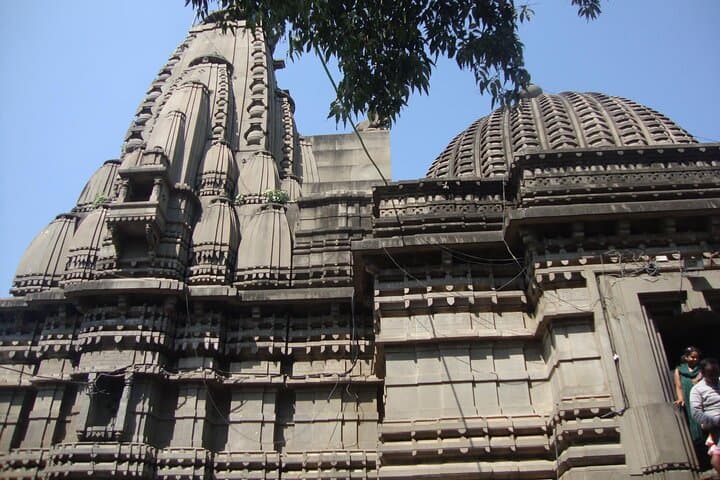
Culturally, Nashik mixes pilgrimage rhythms—prayers at dawn, evening aartis—and a modern grape-growing economy that fuels local wineries. The Trimbakeshwar temple’s stone carvings and the compact Panchvati precinct offer contrasting encounters: ritual and close-up architectural detail.
Practically, the overnight trip is straightforward: roughly 220 km each way (about five hours), private AC transport, one hotel night and guided stops. Expect short temple walks, modest elevation changes, and paved roads between points. Bring sun protection, comfortable footwear for temple courtyards, and modest clothing for religious sites. Time visits early or late in the day to avoid heat and crowds; allow spare time for traffic between Pune and Nashik.
This is a low-technical, culture-forward outing that rewards patience—sit with a river view at Ramkund, listen to bells and chants, and let the drive itself be part of the pilgrimage.
easy.
24–48 hours.
Suitable for travelers with basic mobility; involves short walks and stair climbs at temples
The drive is approximately 220 km each way and typically takes about 4.5–6 hours depending on traffic and stops.
This tour notes that monument entrances and activity charges mentioned in the itinerary are included; check specific sites for any optional fees.
Yes—transport is private AC and pacing is gentle; however, some temple areas have stairs and require modest mobility.
Private tours generally allow customization; indicate special requirements at booking to arrange meals and guide support.
Nashik’s roots go back to ancient trade and Buddhist settlements; Trimbakeshwar is one of twelve Jyotirlingas and has attracted pilgrims for centuries.
High visitor numbers at temples and river ghats affect local waste and water use—use marked bins, avoid single-use plastic, and respect restricted areas near riverbanks.
Agora Voyages Pvt. Ltd. operates guided outdoor trips and adventures with an emphasis on safety, stewardship, and memorable experiences.


The road north from Pune opens like a slow exhale: highway, scrubland, and then the low Sahyadri ridges appearing on the horizon as you weave toward Nashik. In the cool of early morning the car hums along—drivers point out roadside villages while the landscape shifts from urban sprawl to sugarcane fields and guarded temple towns.
The road north from Pune opens like a slow exhale: highway, scrubland, and then the low Sahyadri ridges appearing on the horizon as you weave toward Nashik. In the cool of early morning the car hums along—drivers point out roadside villages while the landscape shifts from urban sprawl to sugarcane fields and guarded temple towns.
Nashik is one of western India's oldest habitations, its significance layered: ancient Buddhist caves, medieval temple complexes and one of Hinduism’s twelve Jyotirlingas at Trimbakeshwar. Geologically the region sits on Deccan Plateau basalt, worn by seasonal streams; small hills like Anjaneri rise as rocky outcrops that have hosted forts and hermitages for centuries.
Culturally, Nashik mixes pilgrimage rhythms—prayers at dawn, evening aartis—and a modern grape-growing economy that fuels local wineries. The Trimbakeshwar temple’s stone carvings and the compact Panchvati precinct offer contrasting encounters: ritual and close-up architectural detail.
Practically, the overnight trip is straightforward: roughly 220 km each way (about five hours), private AC transport, one hotel night and guided stops. Expect short temple walks, modest elevation changes, and paved roads between points. Bring sun protection, comfortable footwear for temple courtyards, and modest clothing for religious sites. Time visits early or late in the day to avoid heat and crowds; allow spare time for traffic between Pune and Nashik.
This is a low-technical, culture-forward outing that rewards patience—sit with a river view at Ramkund, listen to bells and chants, and let the drive itself be part of the pilgrimage.