THE ADVENTURE COLLECTIVE® · Independent discovery and booking for outdoor travel

A focused 3-day wildlife circuit from Pune to Jim Corbett combining two safari windows, river temples and a visit to the falls. Ideal for travelers seeking concentrated wildlife viewing with cultural context and comfortable lodge stays.
A focused 3-day wildlife circuit from Pune to Jim Corbett combining two safari windows, river temples and a visit to the falls. Ideal for travelers seeking concentrated wildlife viewing with cultural context and comfortable lodge stays.
The first light in Jim Corbett cuts through sal and bamboo, turning the forest floor into a grid of shadow and gold. Travellers arriving from Pune will pass through Delhi’s bustle and then into the foothills, where the Kosi River begins to shape the park’s lowland corridors—places where tigers, elephants and sambar still move on their own terms.
Verified experiences and guided adventures in the surrounding area.
Operated by Padma Holidays · Ramnagar, Uttarakhand
The first light in Jim Corbett cuts through sal and bamboo, turning the forest floor into a grid of shadow and gold. Travellers arriving from Pune will pass through Delhi’s bustle and then into the foothills, where the Kosi River begins to shape the park’s lowland corridors—places where tigers, elephants and sambar still move on their own terms.
Jim Corbett National Park, established in 1936 as India’s first national park, sits where the Shivalik foothills meet alluvial plains. Its geology is a patchwork of river terraces and rocky ridges; the Kosi and Sonanadi rivers braid through grassland and mixed forest, giving each safari zone its own character. Local culture is visible at riverside shrines like Garjia Devi and in the small market town of Ramnagar, a gateway to the park and a hub for guides and naturalists.
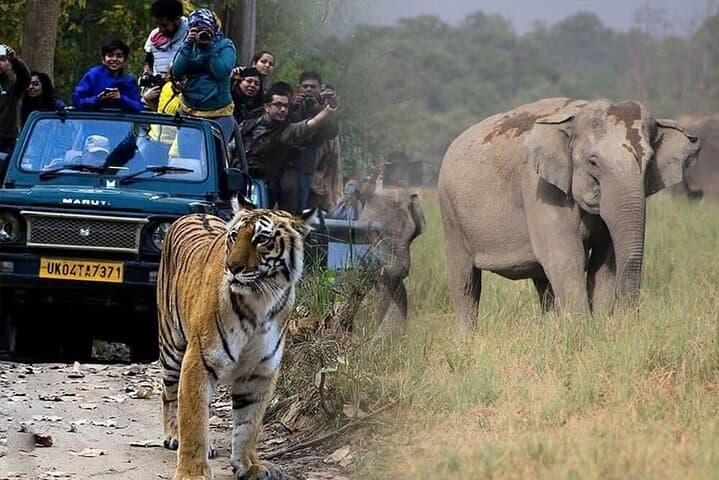
Expect two full safari windows: dawn opens up the low grasses and afternoon light pulls wildlife toward river edges. Vehicles are either private jeeps or canters under forest authority rules; guides speak English and follow strict safety and conservation guidelines. Sightings—especially of tiger—are never guaranteed, but visiting multiple zones and timing drives around water sources increases chances.
Practical notes: book early-morning slots to catch active predators, carry layered clothing for cool starts, and keep binoculars and camera ready but unobtrusive. Respect park regulations: stay inside vehicles, keep noise low, and avoid feeding or approaching wildlife. With basic preparation, this 3-day loop balances cultural stops, museum context, and two high-probability safari windows for a concentrated wildlife experience.
moderate.
3 days (approx. 72 hours).
Light to moderate—sitting through jeeps/canters with short walks at sites; suitable for most active travellers.
Tigers are wild and sightings cannot be guaranteed; booking both morning and evening safaris in different zones and visiting waterholes raises the odds.
Safaris are conducted in jeeps or canters depending on availability; this tour notes private transport for transfers and shared or private safari vehicles as per park allocation.
Visitors need valid ID and safari tickets arranged by the operator; check current health advisories and routine vaccinations before travel.
Many families participate, but safaris involve early starts and long vehicle rides; check age restrictions with the operator and choose family-friendly time slots.
Named for hunter-turned-conservationist Jim Corbett, the park was set aside in 1936 to protect the Bengal tiger and reflects early Indian conservation efforts.
The park operates under strict carrying-capacity rules and anti-poaching measures; visitors should minimize noise, stay in vehicles, and avoid single-use plastics to reduce impact.
Padma Holidays operates guided outdoor trips and adventures with an emphasis on safety, stewardship, and memorable experiences.
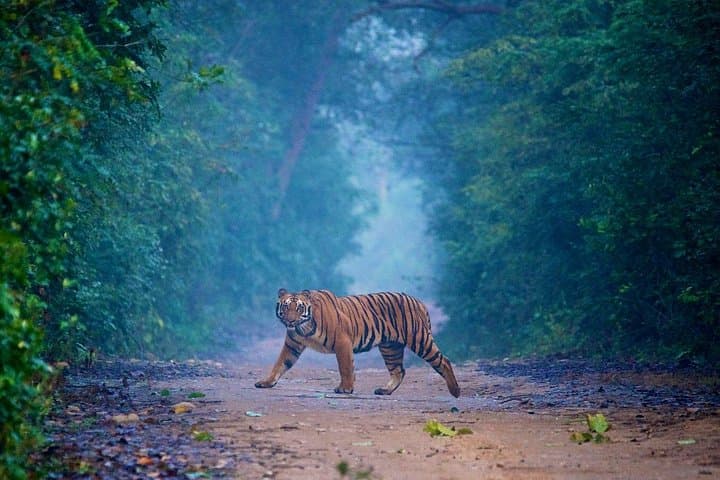
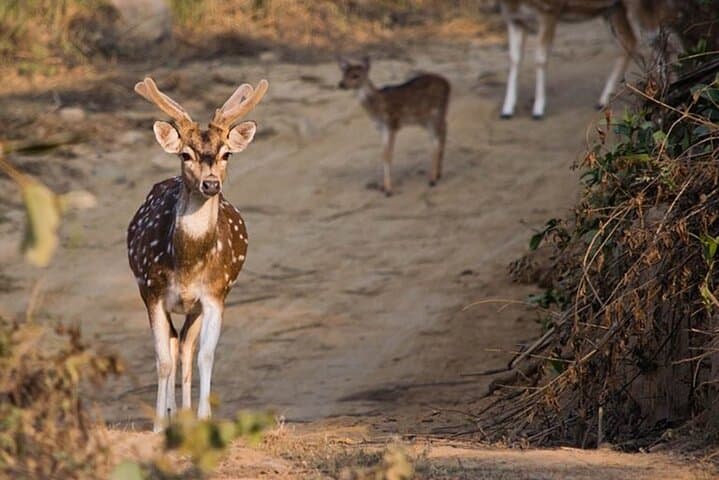
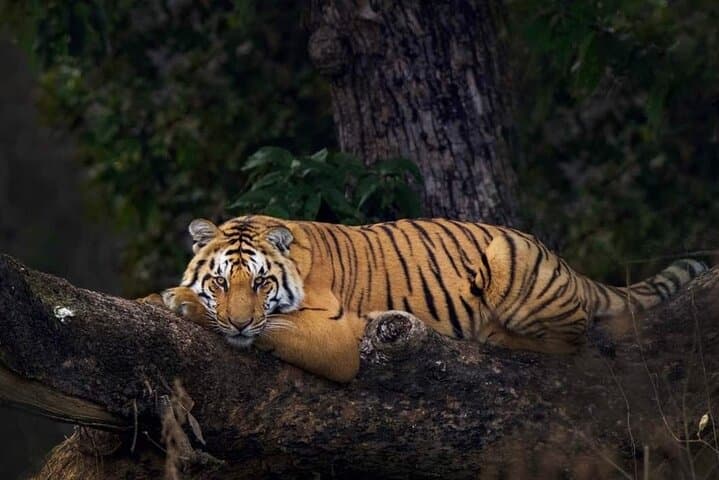
The first light in Jim Corbett cuts through sal and bamboo, turning the forest floor into a grid of shadow and gold. Travellers arriving from Pune will pass through Delhi’s bustle and then into the foothills, where the Kosi River begins to shape the park’s lowland corridors—places where tigers, elephants and sambar still move on their own terms.
The first light in Jim Corbett cuts through sal and bamboo, turning the forest floor into a grid of shadow and gold. Travellers arriving from Pune will pass through Delhi’s bustle and then into the foothills, where the Kosi River begins to shape the park’s lowland corridors—places where tigers, elephants and sambar still move on their own terms.
Jim Corbett National Park, established in 1936 as India’s first national park, sits where the Shivalik foothills meet alluvial plains. Its geology is a patchwork of river terraces and rocky ridges; the Kosi and Sonanadi rivers braid through grassland and mixed forest, giving each safari zone its own character. Local culture is visible at riverside shrines like Garjia Devi and in the small market town of Ramnagar, a gateway to the park and a hub for guides and naturalists.
Expect two full safari windows: dawn opens up the low grasses and afternoon light pulls wildlife toward river edges. Vehicles are either private jeeps or canters under forest authority rules; guides speak English and follow strict safety and conservation guidelines. Sightings—especially of tiger—are never guaranteed, but visiting multiple zones and timing drives around water sources increases chances.
Practical notes: book early-morning slots to catch active predators, carry layered clothing for cool starts, and keep binoculars and camera ready but unobtrusive. Respect park regulations: stay inside vehicles, keep noise low, and avoid feeding or approaching wildlife. With basic preparation, this 3-day loop balances cultural stops, museum context, and two high-probability safari windows for a concentrated wildlife experience.