THE ADVENTURE COLLECTIVE® · Independent discovery and booking for outdoor travel

Drive 130 km from Pune to reach Bhimashankar’s 13th‑century Jyotirlinga and forested sanctuary. This 2‑day loop pairs a spiritual visit with short treks through Sahyadri forest and a chance to spot endemic wildlife.
Drive 130 km from Pune to reach Bhimashankar’s 13th‑century Jyotirlinga and forested sanctuary. This 2‑day loop pairs a spiritual visit with short treks through Sahyadri forest and a chance to spot endemic wildlife.
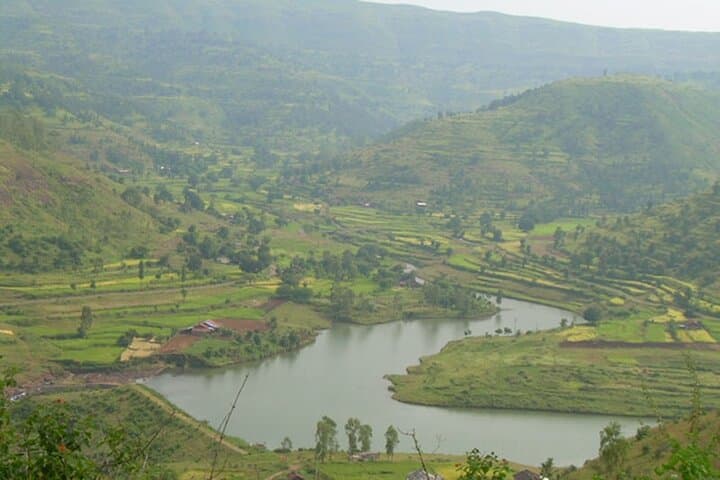
A narrow ribbon of highway peels away from Pune at dawn and the Western Ghats begin to rise, their ridgelines darkening like ink against the sky. In roughly 130 km — about a three-hour drive through roadside villages and folding hills — you reach Bhimashankar, where the Jyotirlinga temple perches near the crest of a Sahyadri ridge. The air carries wet earth and resin; the forest seems to breathe around the temple, the Bhima river daring you to trace its first drops upstream.
Verified experiences and guided adventures in the surrounding area.
Operated by Agora Voyages Pvt. Ltd. · Bhimashankar, Maharashtra
A narrow ribbon of highway peels away from Pune at dawn and the Western Ghats begin to rise, their ridgelines darkening like ink against the sky. In roughly 130 km — about a three-hour drive through roadside villages and folding hills — you reach Bhimashankar, where the Jyotirlinga temple perches near the crest of a Sahyadri ridge. The air carries wet earth and resin; the forest seems to breathe around the temple, the Bhima river daring you to trace its first drops upstream.
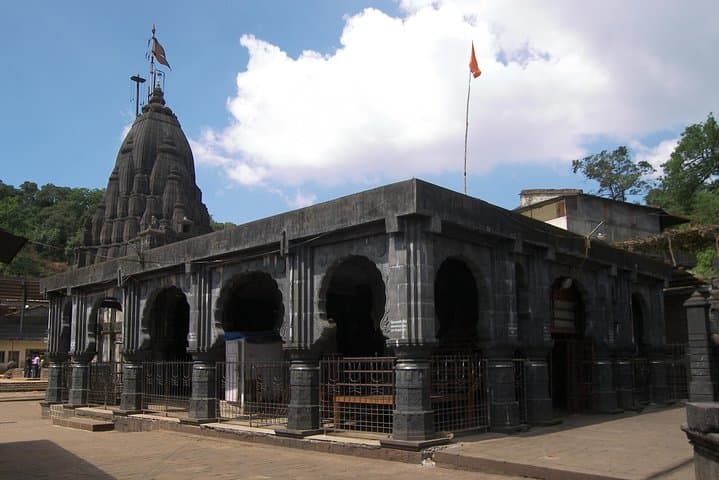
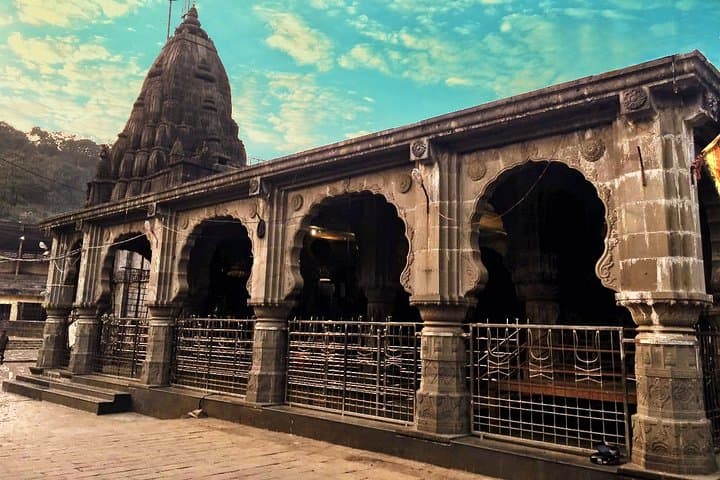
The temple complex dates back to the 13th century and is built in a regional Naga style, its stonework marked by unusual Buddha carvings and heavy, low-slung roofs. Geologically, this sector of the Ghats is ancient basalt and laterite, sculpted by monsoon and time into steep drainages and dense shola-like forest. Local culture mixes Marathi pilgrimage customs with forest livelihoods; traditional herbalists still collect the medicinal plants that grow here.
Practical guidance: plan for a full two-day loop if you want both darshan and sanctuary time. The hilltop sits around 1,150 m (≈3,770 ft), and short treks to viewpoints involve uneven stone steps and muddy tracks, especially in monsoon. Wear grippy footwear, carry at least 2 liters of water, and a rain shell in wet months. Start early for morning prayers to avoid crowds and bring modest clothing for the temple. If you’re interested in wildlife, the Bhimashankar Wildlife Sanctuary is best explored with a guide — it’s prime habitat for the endemic Indian Giant Squirrel and several resident bird species. Respect marked trails, keep noise low, and leave no trace to help protect this living, breathing stretch of the Sahyadris.
moderate.
1–2 days.
Suitable for moderately fit travelers comfortable with 1–3 hour hikes on uneven terrain and some stair climbing.
Expect about 130 km and roughly a three-hour drive each way depending on traffic and road conditions.
There’s no special permit for casual visitors, but sanctuary entry fees and guided‑tour options may apply—check locally on arrival.
The most common route involves paved or stone steps and short forest trails; it’s moderate and manageable for most people with basic fitness.
Post-monsoon (Oct–Feb) offers clear views and lush forest without the heavy rains; monsoon is spectacular but slippery.
Bhimashankar houses one of the twelve Jyotirlingas and features 13th‑century Naga‑style stone architecture with unusual Buddha figures reflecting the region’s layered past.
The Bhimashankar Wildlife Sanctuary protects endemic Western Ghats species; visitors are encouraged to follow trails and support local conservation guides to minimize impact.
Agora Voyages Pvt. Ltd. operates guided outdoor trips and adventures with an emphasis on safety, stewardship, and memorable experiences.
A narrow ribbon of highway peels away from Pune at dawn and the Western Ghats begin to rise, their ridgelines darkening like ink against the sky. In roughly 130 km — about a three-hour drive through roadside villages and folding hills — you reach Bhimashankar, where the Jyotirlinga temple perches near the crest of a Sahyadri ridge. The air carries wet earth and resin; the forest seems to breathe around the temple, the Bhima river daring you to trace its first drops upstream.
A narrow ribbon of highway peels away from Pune at dawn and the Western Ghats begin to rise, their ridgelines darkening like ink against the sky. In roughly 130 km — about a three-hour drive through roadside villages and folding hills — you reach Bhimashankar, where the Jyotirlinga temple perches near the crest of a Sahyadri ridge. The air carries wet earth and resin; the forest seems to breathe around the temple, the Bhima river daring you to trace its first drops upstream.
The temple complex dates back to the 13th century and is built in a regional Naga style, its stonework marked by unusual Buddha carvings and heavy, low-slung roofs. Geologically, this sector of the Ghats is ancient basalt and laterite, sculpted by monsoon and time into steep drainages and dense shola-like forest. Local culture mixes Marathi pilgrimage customs with forest livelihoods; traditional herbalists still collect the medicinal plants that grow here.
Practical guidance: plan for a full two-day loop if you want both darshan and sanctuary time. The hilltop sits around 1,150 m (≈3,770 ft), and short treks to viewpoints involve uneven stone steps and muddy tracks, especially in monsoon. Wear grippy footwear, carry at least 2 liters of water, and a rain shell in wet months. Start early for morning prayers to avoid crowds and bring modest clothing for the temple. If you’re interested in wildlife, the Bhimashankar Wildlife Sanctuary is best explored with a guide — it’s prime habitat for the endemic Indian Giant Squirrel and several resident bird species. Respect marked trails, keep noise low, and leave no trace to help protect this living, breathing stretch of the Sahyadris.