THE ADVENTURE COLLECTIVE® · Independent discovery and booking for outdoor travel

Walk a concentrated heritage loop through Pune’s most consequential freedom-era sites. In six hours you’ll visit Aga Khan Palace, Kesariwada and Phule Wada with a local guide explaining the strategies and social reforms that helped shape modern India.
Walk a concentrated heritage loop through Pune’s most consequential freedom-era sites. In six hours you’ll visit Aga Khan Palace, Kesariwada and Phule Wada with a local guide explaining the strategies and social reforms that helped shape modern India.
Morning light slices through Pune's wide streets as the city hums into a day of memory and movement.
Verified experiences and guided adventures in the surrounding area.
Operated by 5 Senses Walks · Pune, Maharashtra
Morning light slices through Pune's wide streets as the city hums into a day of memory and movement.
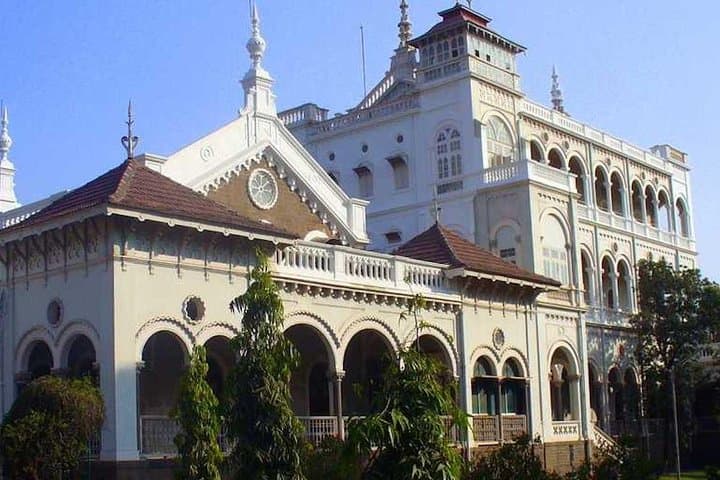
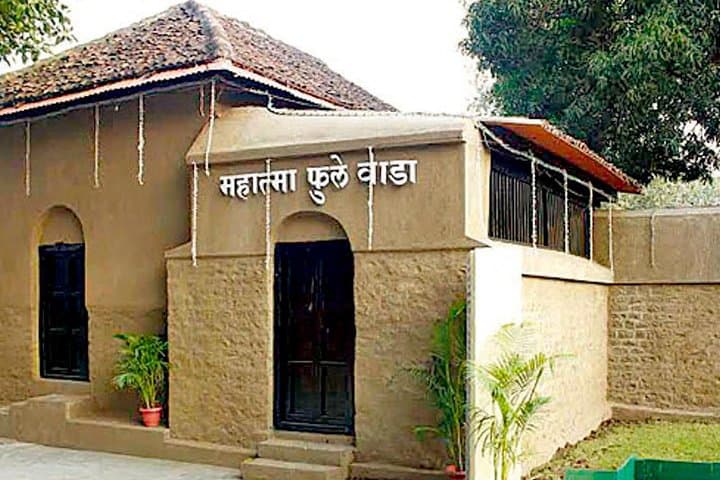
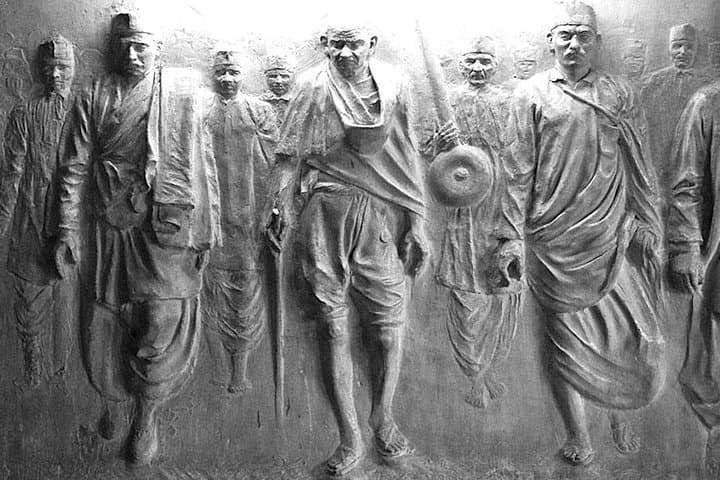
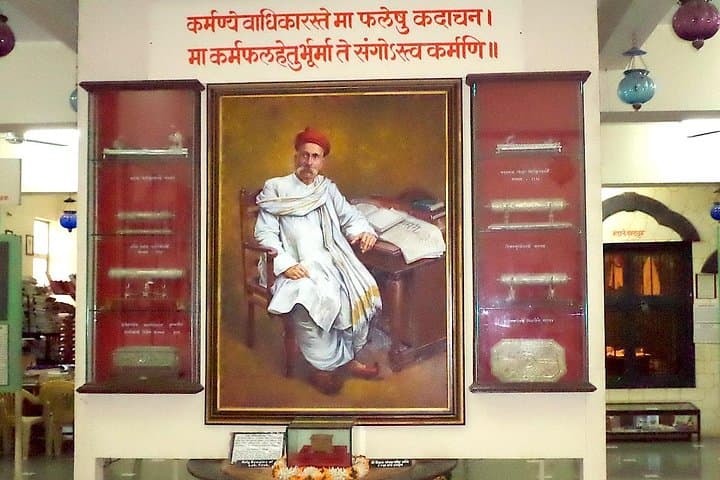
You begin at Aga Khan Palace, where tiled floors and quiet lawns hold the weight of 1942 — Gandhi, Kasturba and Mahadevbhai Desai were detained here during the Quit India campaign. From there the route threads to Kesariwada, the house where Lokmanya Tilak ran his fiery newspapers and organized public life with the Ganesh festival as a civic rallying point. The trail closes at Phule Wada, where Jyotirao Phule’s well and early girls' school challenge the social orders of 19th-century Maharashtra.
Geologically, Pune sits on the Deccan Plateau’s basalt, its streets cut from ancient lava flows that shaped the region’s gentle ridgelines and monsoon-fed watercourses. Culturally the tour traces Marathi print culture, social reform, and the tactics that turned cultural ritual into political muscle.
Practically, expect about six hours of mostly paved walking and short transfers by vehicle, timed museum visits and a guided lunch stop. Dress modestly (shoulders and knees covered) for religious sites and government memorials; wear closed-toe shoes for comfortable walking on uneven courtyards.
Plan for heat in summer and sudden showers during monsoon; mornings are cooler and clearer for photography and quieter at the monuments. Guides provide local context and handle admissions, but carry a photocopy of ID, some cash for incidental purchases, and a charged phone.
This one-day heritage tour is compact, historically dense, and grounded — a route that asks you to listen to places where politics, print and protest reshaped modern India.
easy.
6 hours.
Suitable for most fitness levels; involves several hours of walking on paved roads and short steps
Yes—hotel pickup and drop-off are included; provide your pickup point when booking.
Admissions for the listed heritage sites are included in the itinerary as noted by the operator.
The tour notes it is suitable for most ages but is not recommended for pregnant travelers due to the full-day schedule and walking.
Guides typically operate in English and Marathi; confirm language preference when booking for other languages.
Pune was a major center of Maharashtra’s social and political reform: Tilak’s publications and Phule’s social reforms made it a crucible for the independence movement.
These heritage sites rely on visitor respect—avoid touching artifacts, dispose of waste properly, and follow site rules to protect fragile structures.
5 Senses Walks operates guided outdoor trips and adventures with an emphasis on safety, stewardship, and memorable experiences.
Morning light slices through Pune's wide streets as the city hums into a day of memory and movement.
Morning light slices through Pune's wide streets as the city hums into a day of memory and movement.
You begin at Aga Khan Palace, where tiled floors and quiet lawns hold the weight of 1942 — Gandhi, Kasturba and Mahadevbhai Desai were detained here during the Quit India campaign. From there the route threads to Kesariwada, the house where Lokmanya Tilak ran his fiery newspapers and organized public life with the Ganesh festival as a civic rallying point. The trail closes at Phule Wada, where Jyotirao Phule’s well and early girls' school challenge the social orders of 19th-century Maharashtra.
Geologically, Pune sits on the Deccan Plateau’s basalt, its streets cut from ancient lava flows that shaped the region’s gentle ridgelines and monsoon-fed watercourses. Culturally the tour traces Marathi print culture, social reform, and the tactics that turned cultural ritual into political muscle.
Practically, expect about six hours of mostly paved walking and short transfers by vehicle, timed museum visits and a guided lunch stop. Dress modestly (shoulders and knees covered) for religious sites and government memorials; wear closed-toe shoes for comfortable walking on uneven courtyards.
Plan for heat in summer and sudden showers during monsoon; mornings are cooler and clearer for photography and quieter at the monuments. Guides provide local context and handle admissions, but carry a photocopy of ID, some cash for incidental purchases, and a charged phone.
This one-day heritage tour is compact, historically dense, and grounded — a route that asks you to listen to places where politics, print and protest reshaped modern India.