THE ADVENTURE COLLECTIVE® · Independent discovery and booking for outdoor travel

Ride a private 4x4 into Torres del Paine with expert trackers to follow puma signs across wind-swept steppe and glacier-sculpted ridgelines. This full-day safari combines patient fieldcraft with short walks to maximize sightings while minimizing disturbance.
Ride a private 4x4 into Torres del Paine with expert trackers to follow puma signs across wind-swept steppe and glacier-sculpted ridgelines. This full-day safari combines patient fieldcraft with short walks to maximize sightings while minimizing disturbance.
A raw Patagonian light breaks across granite towers as the 4x4 grinds onto a gravel spur road. The vehicle settles, trackers scan with binoculars, and the landscape—wind-scoured steppe and jagged peaks—begins to organize itself into signs: tracks, scat, a widened trail where a puma moved two nights ago. On this one-day safari, guests ride in a private vehicle and follow expert trackers who read the land like a map of recent movements.
Verified experiences and guided adventures in the surrounding area.
Operated by FlashpackerConnect LLC · Torres del Paine National Park, Magallanes Region
A raw Patagonian light breaks across granite towers as the 4x4 grinds onto a gravel spur road. The vehicle settles, trackers scan with binoculars, and the landscape—wind-scoured steppe and jagged peaks—begins to organize itself into signs: tracks, scat, a widened trail where a puma moved two nights ago. On this one-day safari, guests ride in a private vehicle and follow expert trackers who read the land like a map of recent movements.
Torres del Paine is young in geological terms: uplifted granite and sedimentary layers carved by glaciers in the last ice age. The park’s human history spans Tehuelche presence to 20th-century estancia culture and modern conservation efforts to protect the huemul deer and top predators. Guides frame the tracking within this context—how prey distribution, weather, and the massif’s geology shape puma behavior.
Expect long stretches in the vehicle with short, easy walks to vantage points. Weather changes quickly; a cold front can push across the steppe with little warning. Bring solid boots for muddy stretches, a windproof shell, and water; plan on an 8-hour outing that launches from Puerto Natales.
Practical tips: go early for low-angle light and calmer wildlife, follow the guide’s distance rules around pumas and huemul, and pack layers—even summer days can feel raw. Photography opportunities come when the animal uses open terrain; patience and silence are the best tools. This safari balances the thrill of predator tracking with careful stewardship of one of Patagonia’s most fragile wild places.
easy.
8 hours.
Suitable for most fitness levels; most time is spent seated in a 4x4 with occasional short, easy walks.
Trackers maximize chances by following recent sign and choosing habitats where pumas hunt; sightings are possible but never guaranteed—this is wild animal behavior, not a zoo.
Only short, easy walks from the vehicle to vantage points; the tour is designed for minimal hiking and is suitable for most participants.
Late spring through early autumn (October–April) offers longer daylight and more stable access, though guides operate year-round depending on weather and park conditions.
This specific tour is sold under an all-sales-final policy; check booking terms carefully before purchasing as refunds are not available for cancellations.
The park sits on lands historically used by Tehuelche peoples and later transformed by estancia ranching; conservation efforts since the mid-20th century created the national park to protect iconic species and glacial landscapes.
Tour operators work under park rules to limit disturbance: stay in vehicles except where directed, maintain distance from wildlife, and avoid off-road driving to protect fragile steppe and nesting condor sites.
FlashpackerConnect LLC operates guided outdoor trips and adventures with an emphasis on safety, stewardship, and memorable experiences.
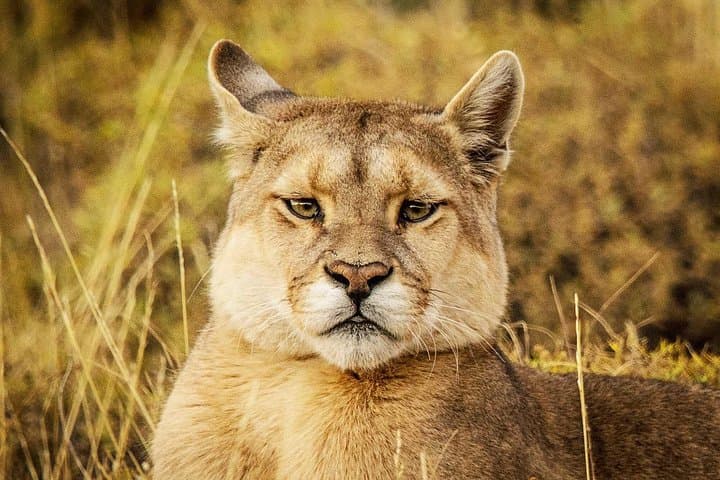
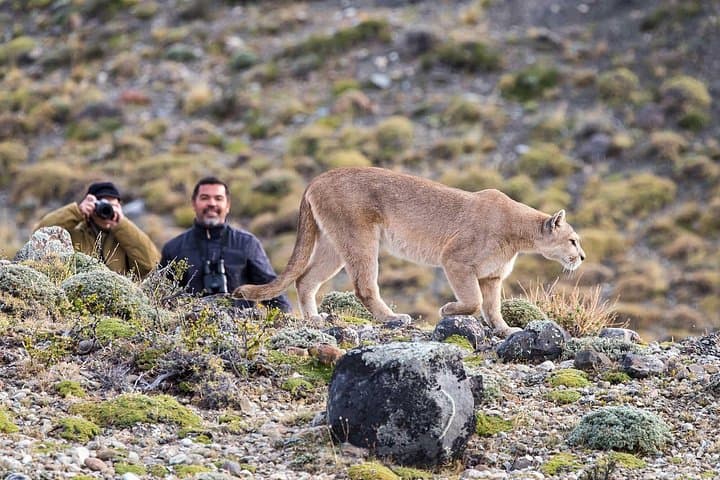
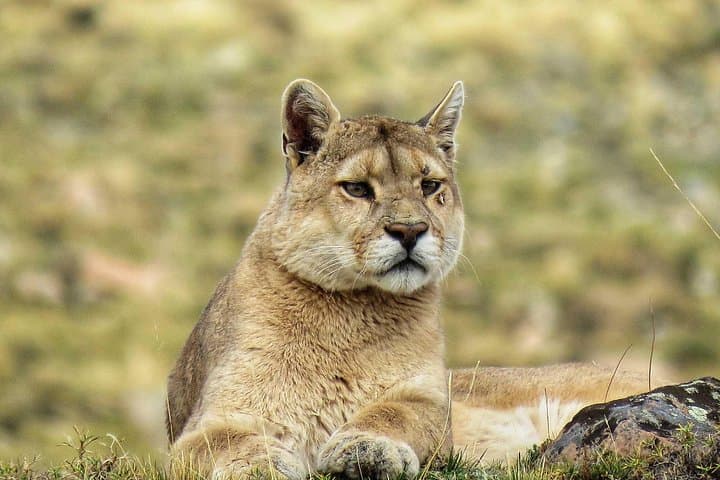
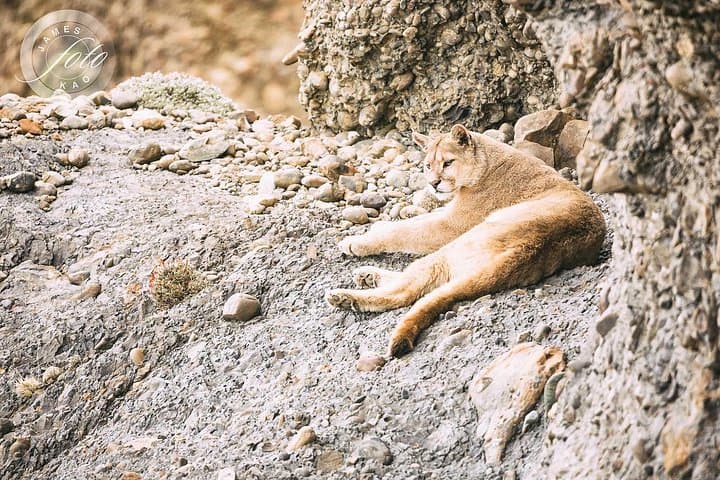
A raw Patagonian light breaks across granite towers as the 4x4 grinds onto a gravel spur road. The vehicle settles, trackers scan with binoculars, and the landscape—wind-scoured steppe and jagged peaks—begins to organize itself into signs: tracks, scat, a widened trail where a puma moved two nights ago. On this one-day safari, guests ride in a private vehicle and follow expert trackers who read the land like a map of recent movements.
A raw Patagonian light breaks across granite towers as the 4x4 grinds onto a gravel spur road. The vehicle settles, trackers scan with binoculars, and the landscape—wind-scoured steppe and jagged peaks—begins to organize itself into signs: tracks, scat, a widened trail where a puma moved two nights ago. On this one-day safari, guests ride in a private vehicle and follow expert trackers who read the land like a map of recent movements.
Torres del Paine is young in geological terms: uplifted granite and sedimentary layers carved by glaciers in the last ice age. The park’s human history spans Tehuelche presence to 20th-century estancia culture and modern conservation efforts to protect the huemul deer and top predators. Guides frame the tracking within this context—how prey distribution, weather, and the massif’s geology shape puma behavior.
Expect long stretches in the vehicle with short, easy walks to vantage points. Weather changes quickly; a cold front can push across the steppe with little warning. Bring solid boots for muddy stretches, a windproof shell, and water; plan on an 8-hour outing that launches from Puerto Natales.
Practical tips: go early for low-angle light and calmer wildlife, follow the guide’s distance rules around pumas and huemul, and pack layers—even summer days can feel raw. Photography opportunities come when the animal uses open terrain; patience and silence are the best tools. This safari balances the thrill of predator tracking with careful stewardship of one of Patagonia’s most fragile wild places.