THE ADVENTURE COLLECTIVE® · Independent discovery and booking for outdoor travel

Three days of guided, vehicle-based tracking through Torres del Paine’s inner roads, timed for dawn and dusk to maximize chances of seeing the region’s elusive puma. Expect dramatic views, short vantage walks and focused wildlife photography opportunities.
Three days of guided, vehicle-based tracking through Torres del Paine’s inner roads, timed for dawn and dusk to maximize chances of seeing the region’s elusive puma. Expect dramatic views, short vantage walks and focused wildlife photography opportunities.
You climb into the van before dawn, the Patagonian wind already nudging at the windows. Gravel crunches under tires as the Massif Paine slips into view—sheer granite teeth and glacial-blue lakes rimmed by wind-blasted steppe. Guides and local trackers scan the low grasses; every guanaco glance and raptor wheel is a clue in a landscape that rewards patient eyes.
Verified experiences and guided adventures in the surrounding area.
Operated by W circuit patagonia · Torres del Paine, Magallanes
You climb into the van before dawn, the Patagonian wind already nudging at the windows. Gravel crunches under tires as the Massif Paine slips into view—sheer granite teeth and glacial-blue lakes rimmed by wind-blasted steppe. Guides and local trackers scan the low grasses; every guanaco glance and raptor wheel is a clue in a landscape that rewards patient eyes.
Torres del Paine was designated a national park in 1959 and is shaped by recent glaciation: granite towers, moraine-strewn valleys and wide braided rivers. The region’s gaucho culture and remote estancias still dot the approach roads, and conservation efforts here focus on maintaining wildlife corridors for predators and prey alike.
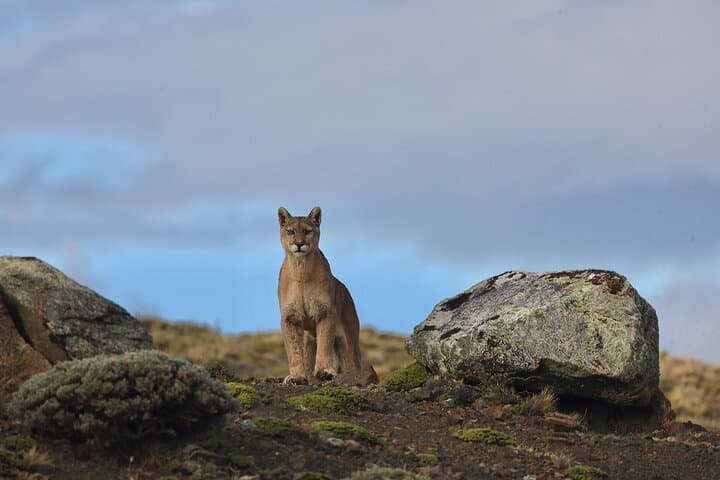
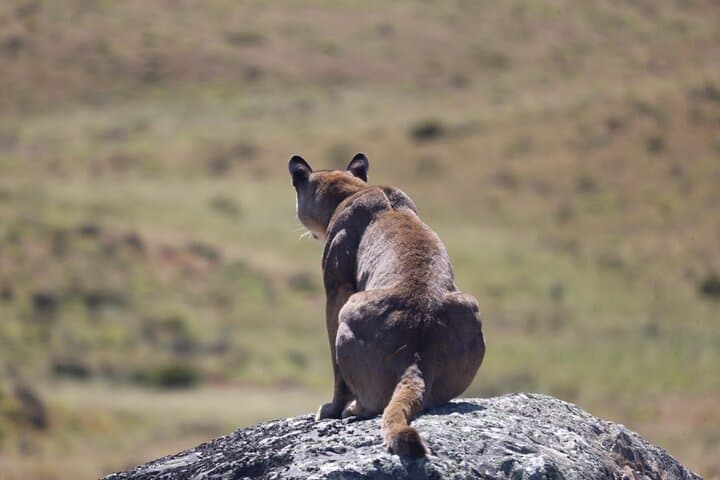
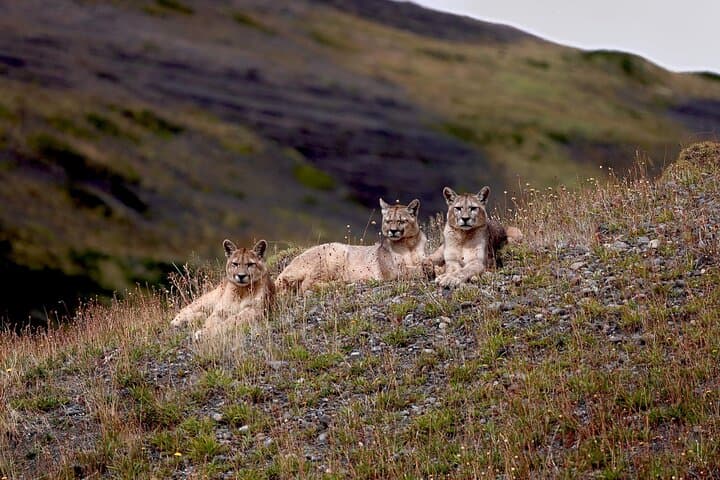
This three-day Puma Route is vehicle-led with targeted short walks to vantage points—early mornings and late afternoons are prime. You’ll patrol inner park roads around Laguna Amarga, Lake Nordenskjöld and Lake Sarmiento, where open steppe meets the massif and sightings of puma (Puma concolor), guanacos, culpeo foxes and Andean condors are possible. Expect mostly gravel roads, occasional rutted tracks and brief climbs of a few hundred metres to viewpoints; overall exertion is moderate.
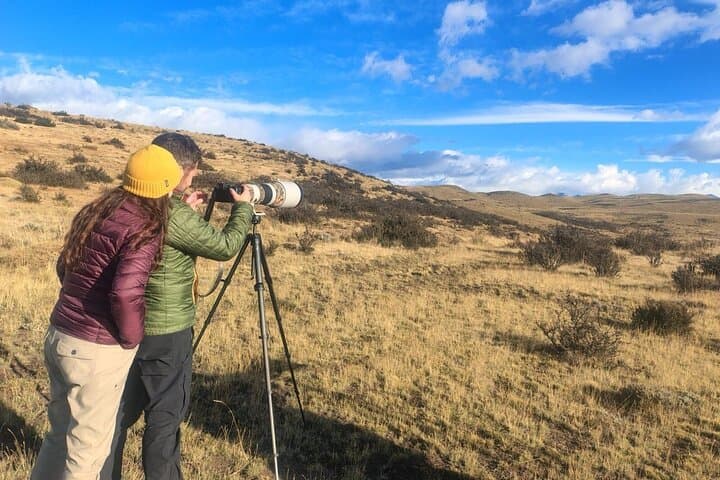
Practical notes: travel light but be prepared for sun, wind and sudden cold. Binoculars, a telephoto lens and layered waterproof clothing make long waits more comfortable; guides and trackers direct movement to minimize disturbance. Box lunches are provided; accommodations and pickup are in Puerto Natales. The trip prioritizes respectful, low-impact observation—observe quietly, keep distance, and follow guide instructions to protect both you and the animals.
moderate.
3 days — 6–8 hours per day.
Moderate fitness: able to do short walks up to a few hundred metres of elevation gain and endure long periods of standing and waiting
Sightings are not guaranteed—this trip maximizes chances by using local trackers and targeting crepuscular hours when pumas hunt, but the animal remains wild and elusive.
Participants should have moderate fitness and be able to do short walks and stand for hours; organizers typically ask for age and health details during booking.
Private transportation from Puerto Natales, bilingual certified guides, local trackers, binoculars/scopes, and box lunches for each day are included per the itinerary.
Remain quiet, avoid sudden movements, follow your guide’s instructions, keep distance, and do not attempt to approach or feed wildlife.
Torres del Paine was established as a national park in 1959; its dramatic granite and glacial landforms are the result of relatively recent ice-age carving.
The tour emphasizes minimal disturbance—staying on vehicles and designated viewpoints helps protect predator corridors and fragile steppe vegetation.
W circuit patagonia operates guided outdoor trips and adventures with an emphasis on safety, stewardship, and memorable experiences.
You climb into the van before dawn, the Patagonian wind already nudging at the windows. Gravel crunches under tires as the Massif Paine slips into view—sheer granite teeth and glacial-blue lakes rimmed by wind-blasted steppe. Guides and local trackers scan the low grasses; every guanaco glance and raptor wheel is a clue in a landscape that rewards patient eyes.
You climb into the van before dawn, the Patagonian wind already nudging at the windows. Gravel crunches under tires as the Massif Paine slips into view—sheer granite teeth and glacial-blue lakes rimmed by wind-blasted steppe. Guides and local trackers scan the low grasses; every guanaco glance and raptor wheel is a clue in a landscape that rewards patient eyes.
Torres del Paine was designated a national park in 1959 and is shaped by recent glaciation: granite towers, moraine-strewn valleys and wide braided rivers. The region’s gaucho culture and remote estancias still dot the approach roads, and conservation efforts here focus on maintaining wildlife corridors for predators and prey alike.
This three-day Puma Route is vehicle-led with targeted short walks to vantage points—early mornings and late afternoons are prime. You’ll patrol inner park roads around Laguna Amarga, Lake Nordenskjöld and Lake Sarmiento, where open steppe meets the massif and sightings of puma (Puma concolor), guanacos, culpeo foxes and Andean condors are possible. Expect mostly gravel roads, occasional rutted tracks and brief climbs of a few hundred metres to viewpoints; overall exertion is moderate.
Practical notes: travel light but be prepared for sun, wind and sudden cold. Binoculars, a telephoto lens and layered waterproof clothing make long waits more comfortable; guides and trackers direct movement to minimize disturbance. Box lunches are provided; accommodations and pickup are in Puerto Natales. The trip prioritizes respectful, low-impact observation—observe quietly, keep distance, and follow guide instructions to protect both you and the animals.