THE ADVENTURE COLLECTIVE® · Independent discovery and booking for outdoor travel

Spend a day in the agave fields above Tepotzotlán tasting aguamiel and pulque, learning how tlachiqueros harvest sap, and cooking tortillas and salsas in a hands-on workshop. This half-day cultural field tour pairs light walking with deep local flavor.
Spend a day in the agave fields above Tepotzotlán tasting aguamiel and pulque, learning how tlachiqueros harvest sap, and cooking tortillas and salsas in a hands-on workshop. This half-day cultural field tour pairs light walking with deep local flavor.
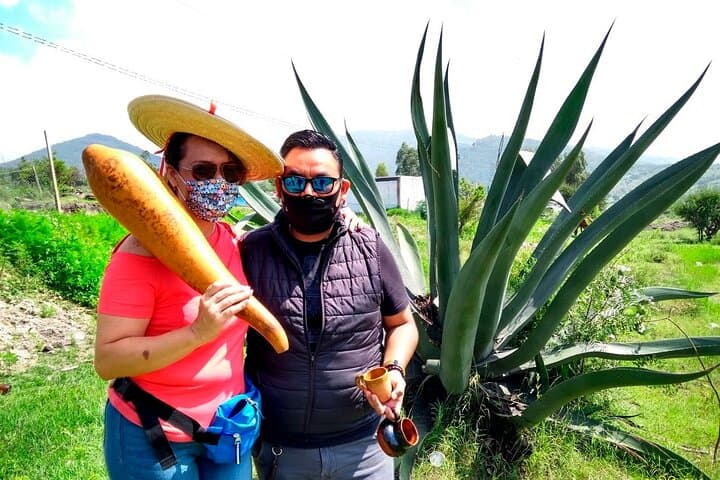
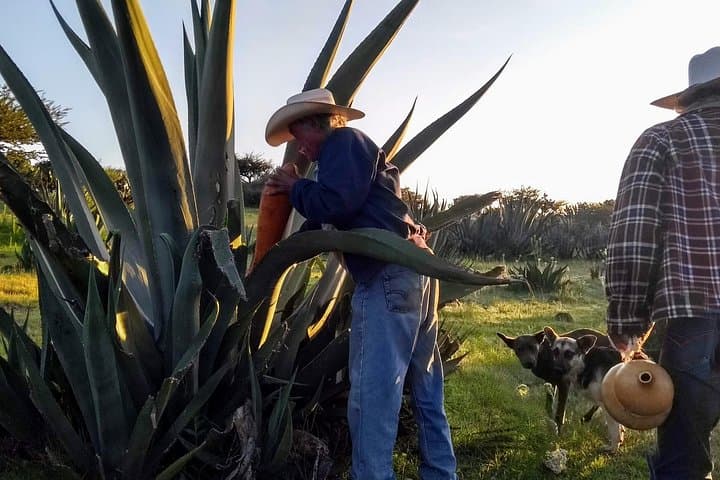
A morning breeze moves through rows of agave like a low, curious voice as you step off the van into the foothills above Tepotzotlán. The plants fan their thick leaves, and a tlachiquero—skilled, patient—climbs to the heart of an agave to coax out aguamiel, the sap that will ferment into pulque. You taste the sweet sap raw, then the tang of fresh pulque and a curado flavored with local fruit; each sip maps the land and labor behind it.
Verified experiences and guided adventures in the surrounding area.
Operated by Paseos Turisticos, Tour Operador Tepotzotlan · Tepotzotlán, State of Mexico
A morning breeze moves through rows of agave like a low, curious voice as you step off the van into the foothills above Tepotzotlán. The plants fan their thick leaves, and a tlachiquero—skilled, patient—climbs to the heart of an agave to coax out aguamiel, the sap that will ferment into pulque. You taste the sweet sap raw, then the tang of fresh pulque and a curado flavored with local fruit; each sip maps the land and labor behind it.
Pulque is older than the Spanish presence here: a pre-Hispanic fermented drink tied to ritual and daily life. The valley’s volcanic soils and seasonal rains shape the agave’s flavor and the rhythm of harvests. Tepotzotlán itself offers colonial plazas and the Museo Nacional del Virreinato nearby, grounding the tasting in regional history and culinary craft.
Practical guidance is simple: the tour mixes short walks through planted fields with a hands-on gastronomy workshop where you’ll shape tortillas and grind chiles. Expect light uneven ground—closed-toe shoes are recommended—and intermittent sun or afternoon showers during the rainy season.
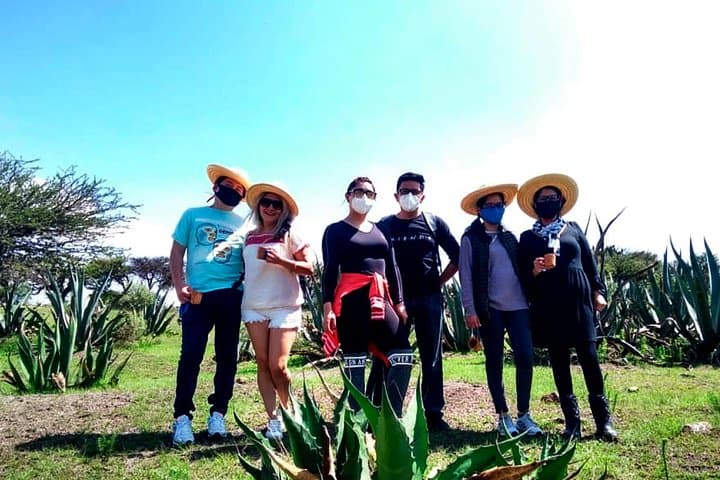
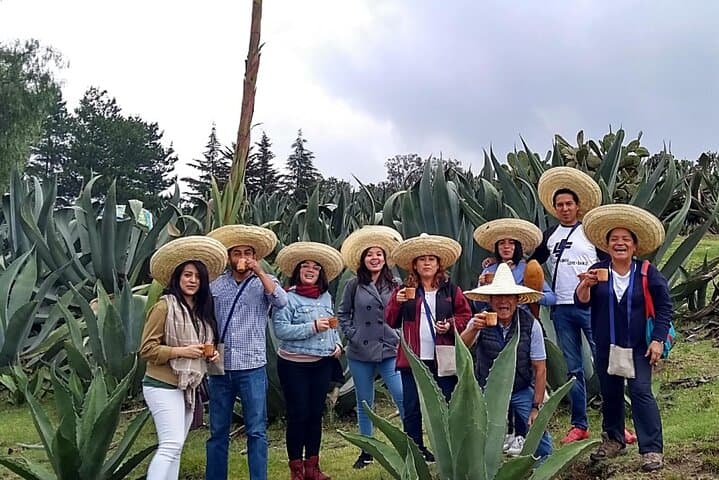
Bring a reusable bottle, sun protection, and any dietary notes ahead of time; the hosts provide a pulque kit (hat and cup) plus lunch and private transport. Conversation with the tlachiquero and cooks is part of the day—ask how aguamiel is tapped and how recipes have adapted since pre-Columbian times.
This is a low-effort, high-engagement cultural field trip: sensory, instructive, and rooted in place—ideal for travelers who want hands-on food history rather than a passive tasting.
easy.
6 hours.
Suitable for most fitness levels; requires short, gentle walks on uneven ground and standing during demonstrations.
Yes—children are allowed but must be accompanied by an adult; infants should sit on a lap during transport and activities.
The tour involves short, easy walks through planted agave fields and standing during demonstrations—no long hikes required.
Yes; pulque is a traditionally fermented agave beverage consumed widely in Mexico. Drink moderately, and tell guides if you have sensitivities to fermented products.
Private transportation is included; confirm your exact pickup point when booking as there are options in and around Mexico City and Tepotzotlán.
Pulque dates to pre-Hispanic central Mexico as a ritual and everyday beverage; Tepotzotlán later became a colonial religious and artisan center, now recognized as a Pueblo Mágico.
Support sustainable producers by using provided pulque cups and avoiding single-use plastics; agave landscapes face pressure from urban expansion and intensive agriculture, so follow farm rules and leave no trace.
Paseos Turisticos, Tour Operador Tepotzotlan operates guided outdoor trips and adventures with an emphasis on safety, stewardship, and memorable experiences.
A morning breeze moves through rows of agave like a low, curious voice as you step off the van into the foothills above Tepotzotlán. The plants fan their thick leaves, and a tlachiquero—skilled, patient—climbs to the heart of an agave to coax out aguamiel, the sap that will ferment into pulque. You taste the sweet sap raw, then the tang of fresh pulque and a curado flavored with local fruit; each sip maps the land and labor behind it.
A morning breeze moves through rows of agave like a low, curious voice as you step off the van into the foothills above Tepotzotlán. The plants fan their thick leaves, and a tlachiquero—skilled, patient—climbs to the heart of an agave to coax out aguamiel, the sap that will ferment into pulque. You taste the sweet sap raw, then the tang of fresh pulque and a curado flavored with local fruit; each sip maps the land and labor behind it.
Pulque is older than the Spanish presence here: a pre-Hispanic fermented drink tied to ritual and daily life. The valley’s volcanic soils and seasonal rains shape the agave’s flavor and the rhythm of harvests. Tepotzotlán itself offers colonial plazas and the Museo Nacional del Virreinato nearby, grounding the tasting in regional history and culinary craft.
Practical guidance is simple: the tour mixes short walks through planted fields with a hands-on gastronomy workshop where you’ll shape tortillas and grind chiles. Expect light uneven ground—closed-toe shoes are recommended—and intermittent sun or afternoon showers during the rainy season.
Bring a reusable bottle, sun protection, and any dietary notes ahead of time; the hosts provide a pulque kit (hat and cup) plus lunch and private transport. Conversation with the tlachiquero and cooks is part of the day—ask how aguamiel is tapped and how recipes have adapted since pre-Columbian times.
This is a low-effort, high-engagement cultural field trip: sensory, instructive, and rooted in place—ideal for travelers who want hands-on food history rather than a passive tasting.